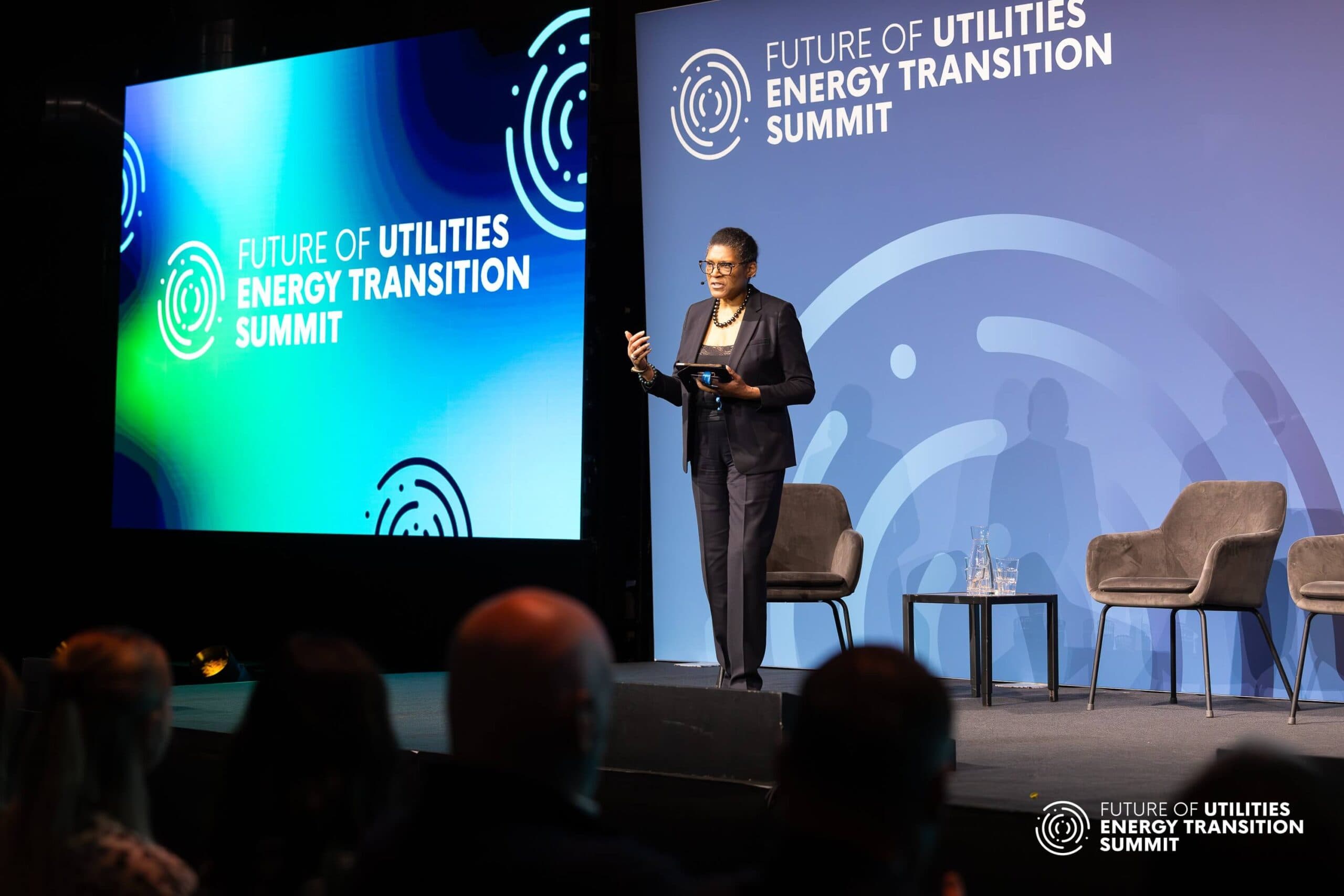
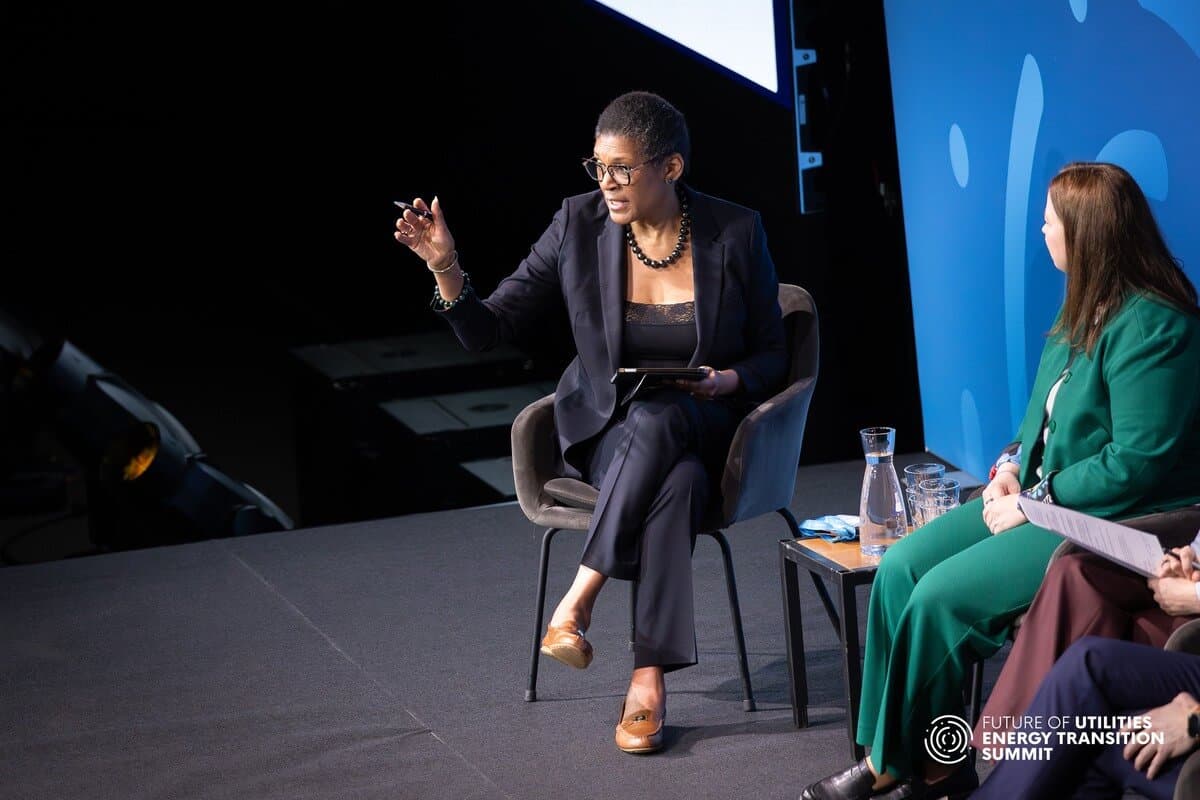
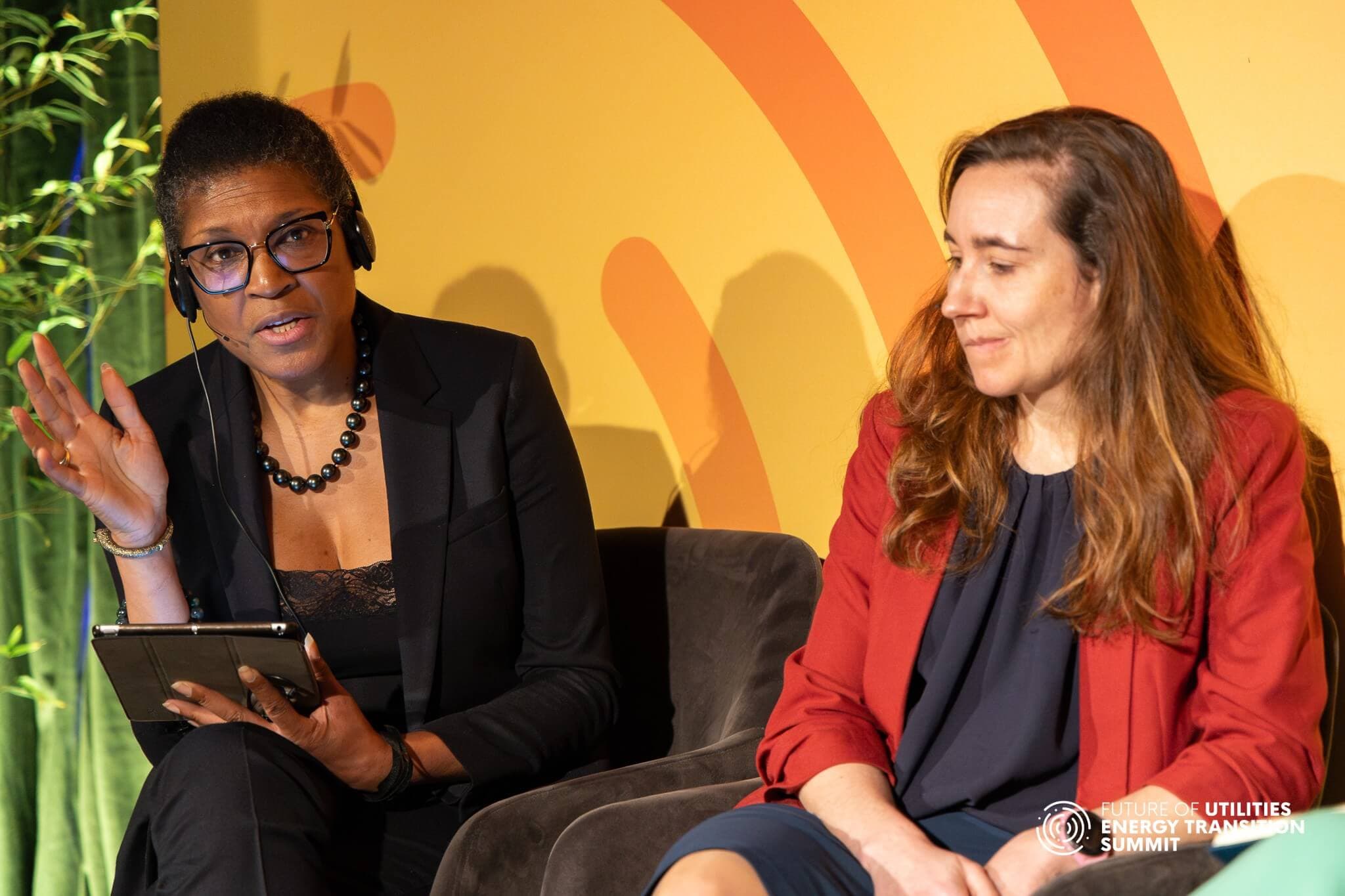
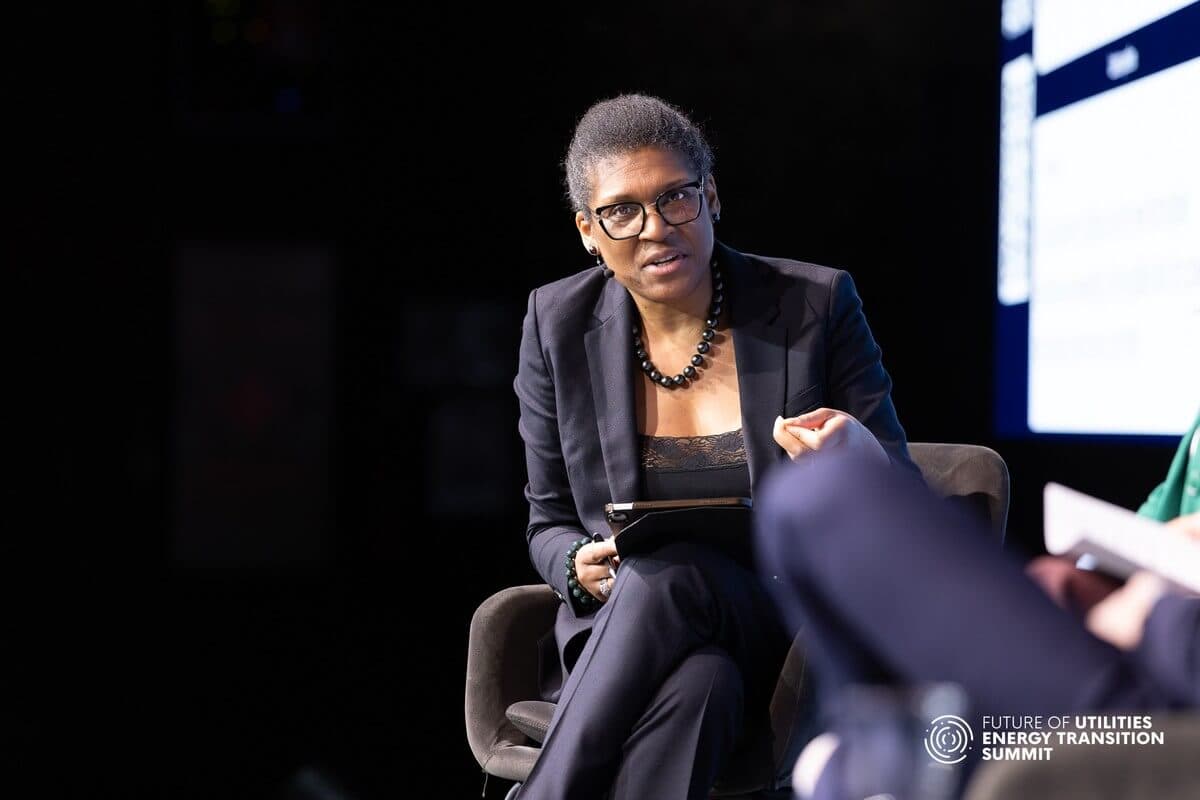
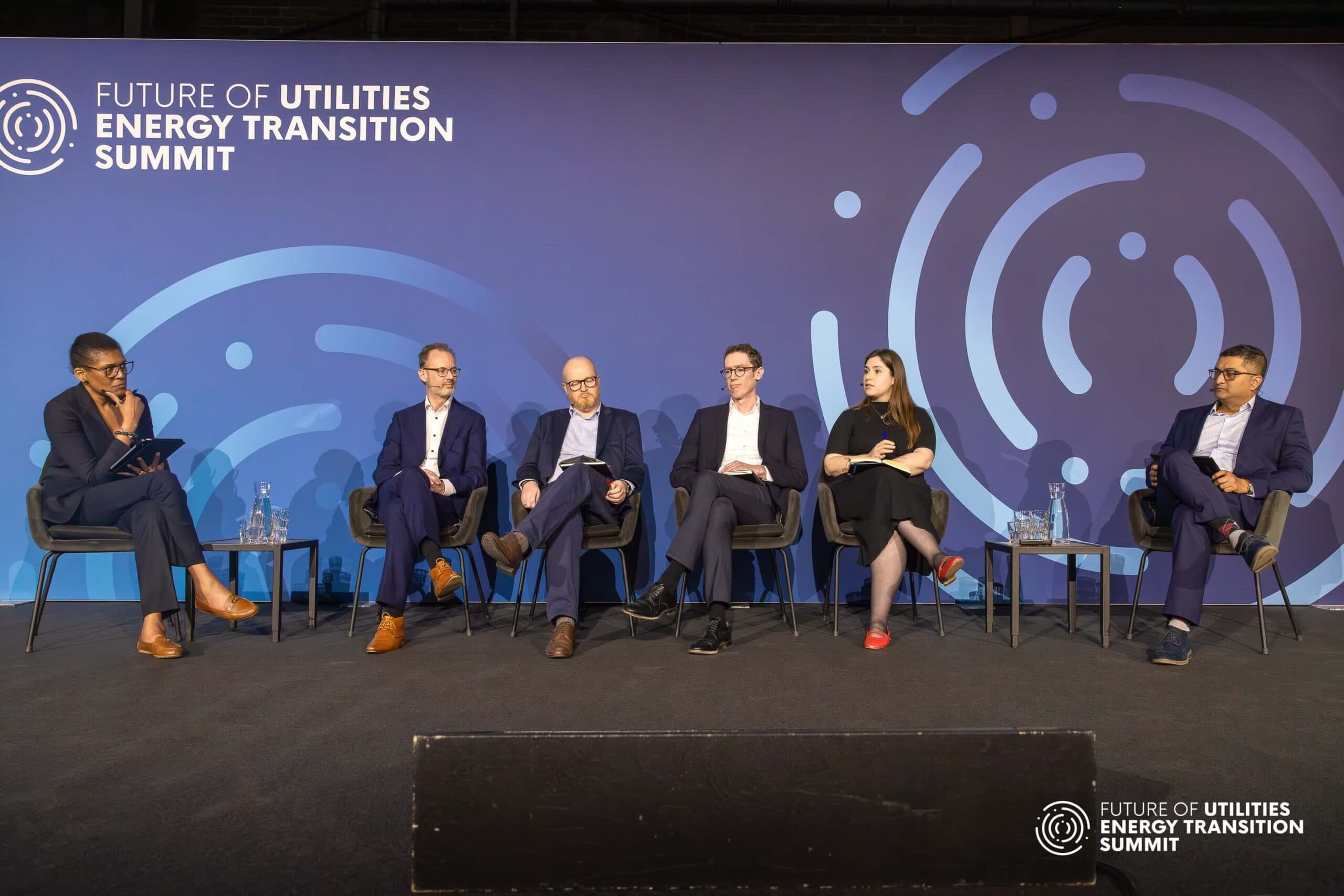
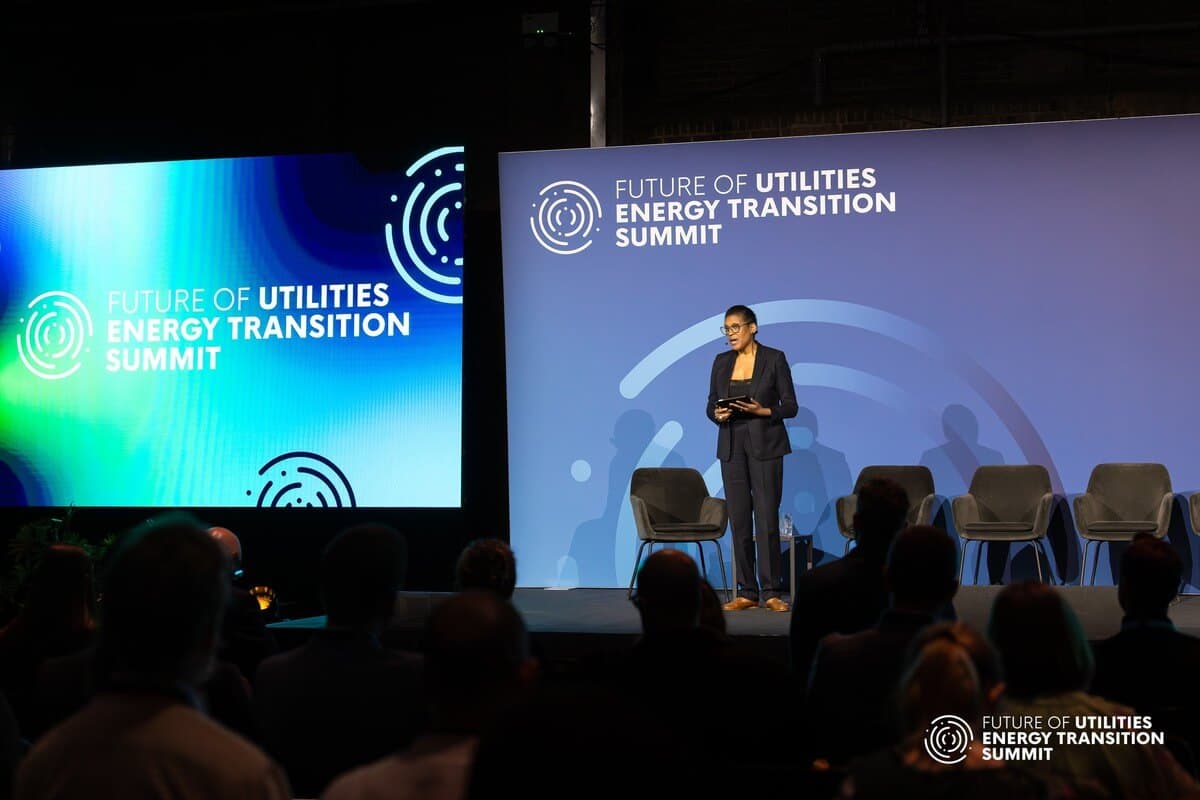
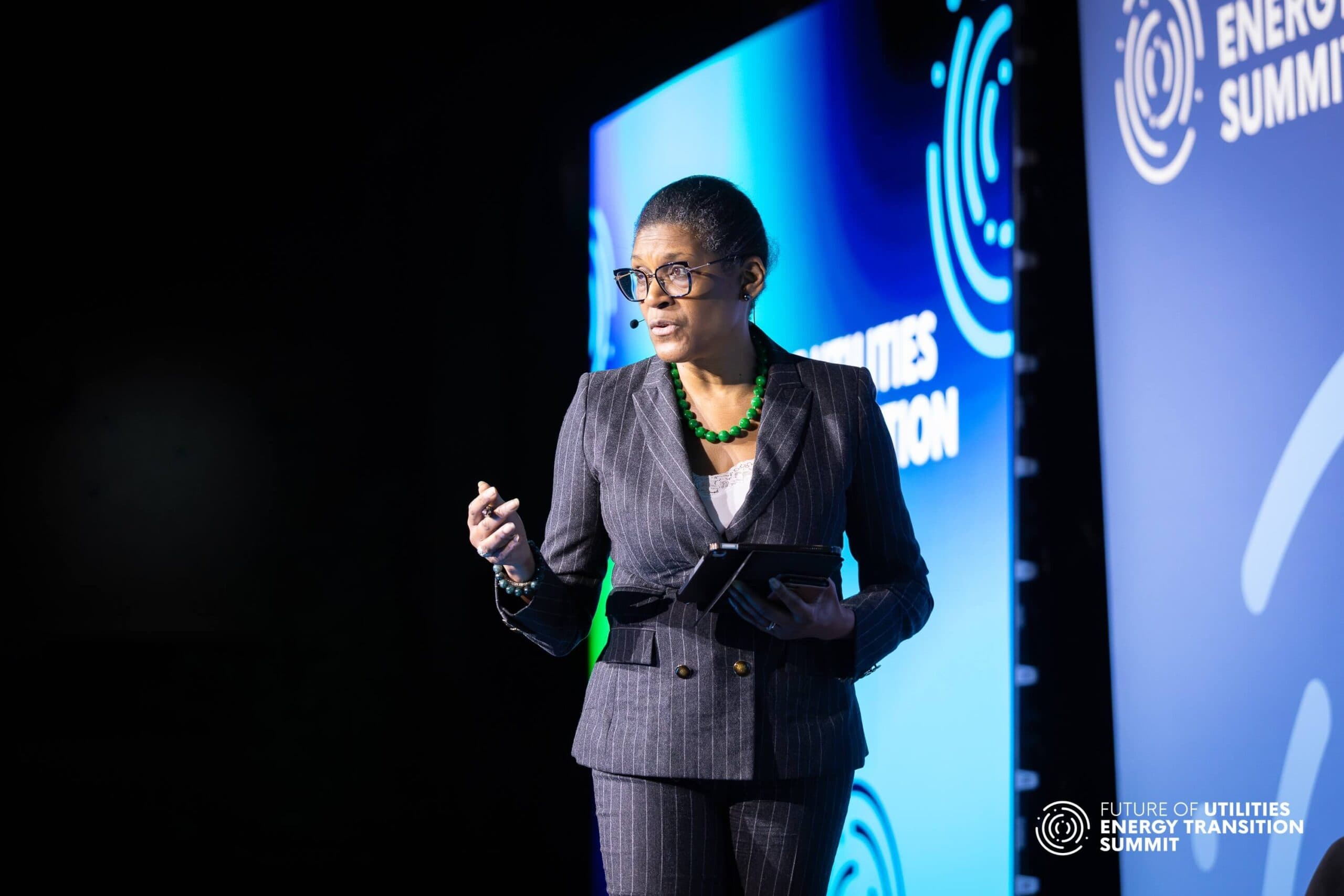
Future of Utilities: Energy Transition Summit 2026
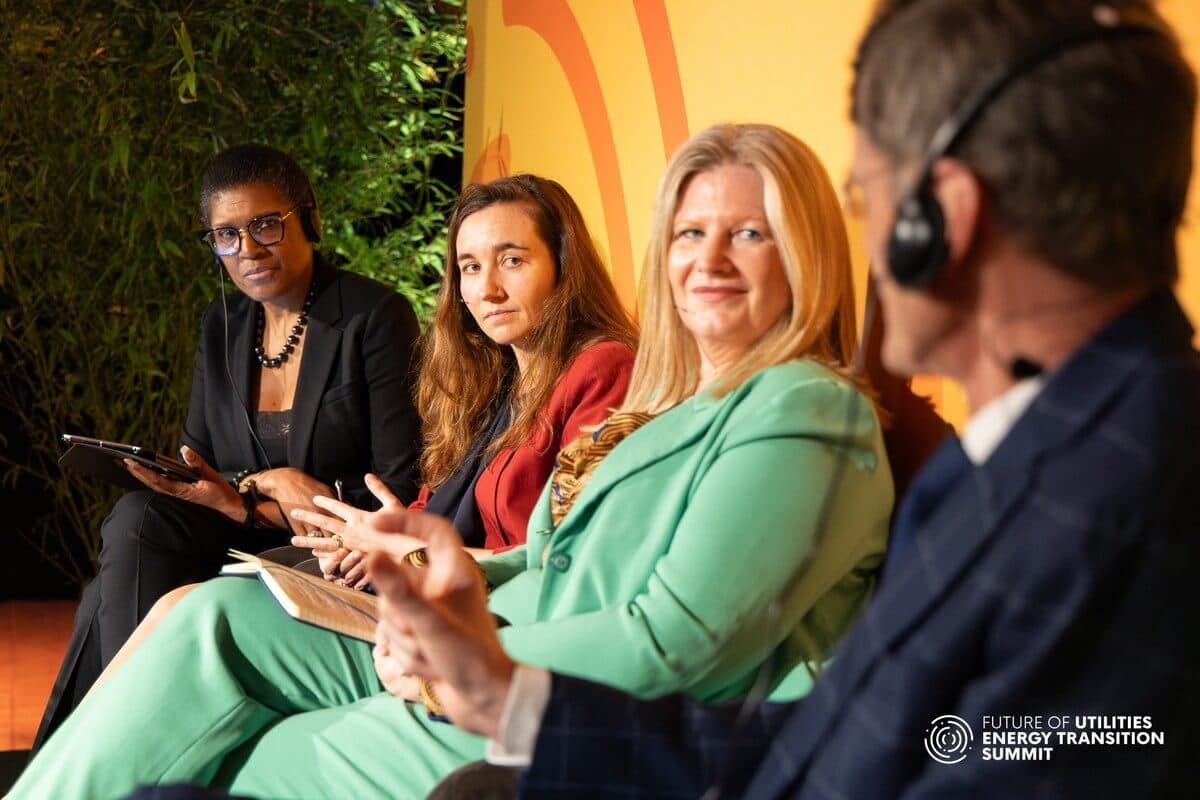
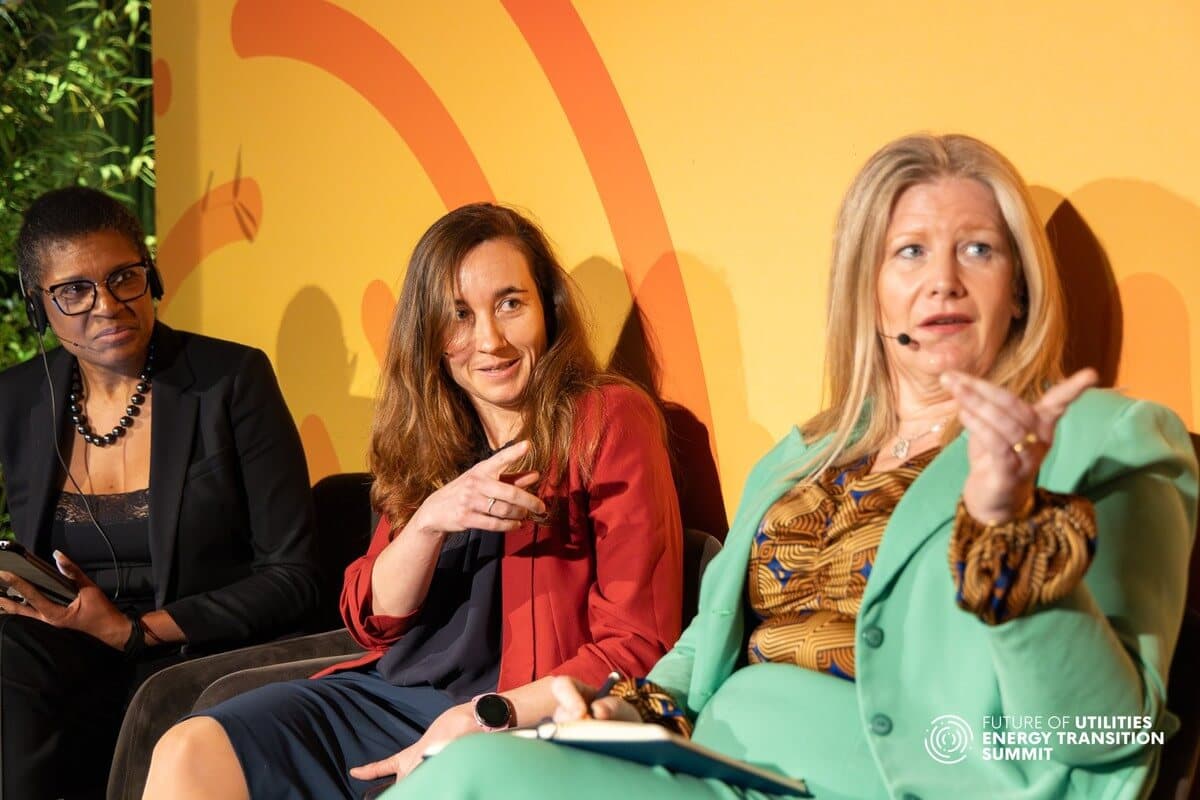
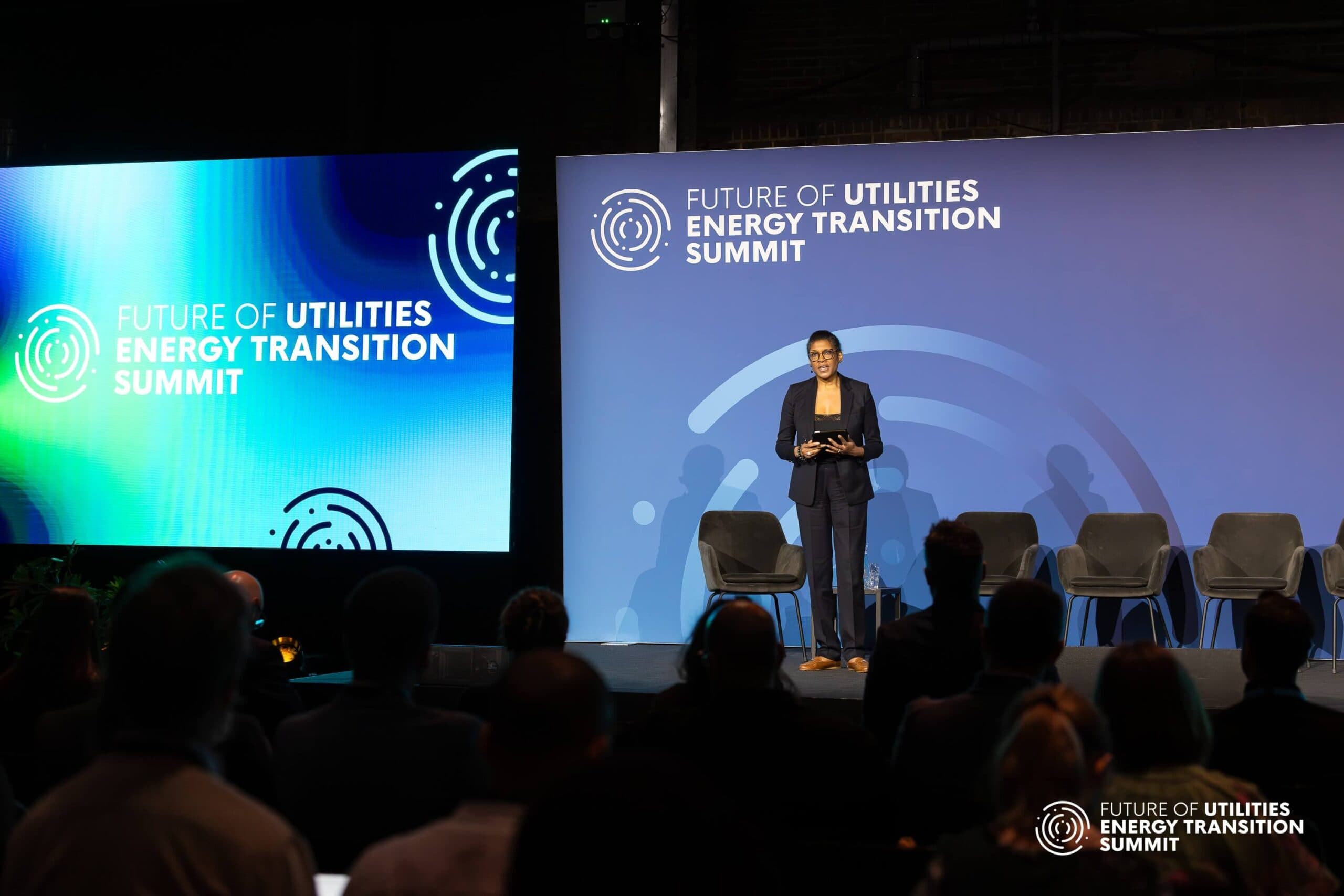
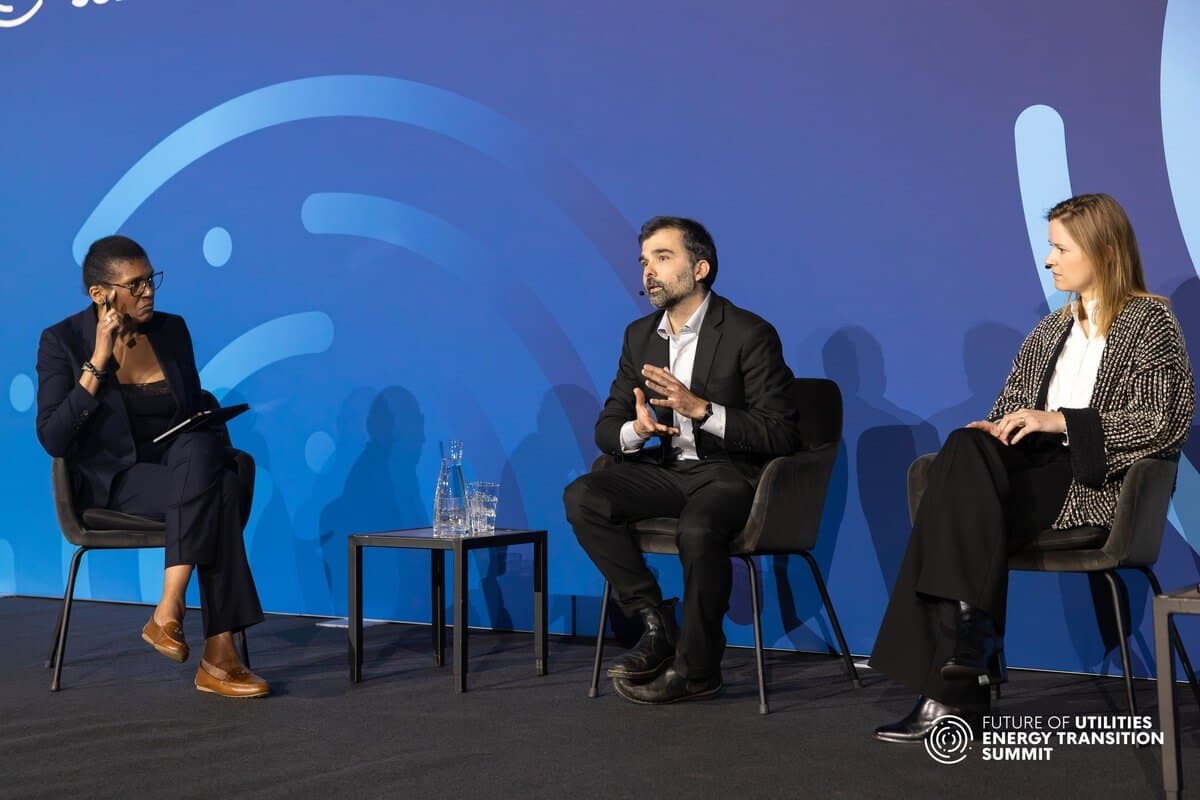
The Future of Utilities: Energy Transition Summit 2026 brought more than a thousand leaders from across Europe’s energy ecosystem to Amsterdam for two days of strategic debate, practical insight, and candid discussion on the forces reshaping the sector. With over 140 speakers across multiple stages, the summit explored the realities of delivering a resilient, affordable, and future‑proof energy system at a moment of profound geopolitical and economic pressure.
Across both days, one theme dominated: Europe is rebuilding its energy architecture in real time, and the decisions made now will define the continent’s security, competitiveness, and climate trajectory for decades.
Day One — Resilience, Infrastructure & Security
The summit opened with a sharp focus on resilience, reflecting the turbulence of recent weeks and the wider geopolitical backdrop. Speakers examined how to build an energy system capable of withstanding supply shocks, cyber threats, climate volatility, and shifting global alliances.
Keynotes and panels explored:
- Embedding resilience across the energy landscape — from strategy to operations.
- AI’s real‑world applications in accelerating the transition.
- The investment gap between ambition and delivery, and what makes a project bankable.
- Grid capacity, interconnection, and storage as the backbone of a secure system.
- Nuclear’s renewed role in Europe’s long‑term energy mix.
- Flexibility markets and the challenge of coordinating grids, customers, and markets.
- Industrial decarbonisation and the race to keep European industry competitive.
- Energy security in a world reshaped by the war in Ukraine and new instability in the Middle East.
- A recurring message: Europe must build optionality into its energy system — diversified supply, smarter grids, digital infrastructure, and the ability to pivot quickly as global conditions change.
Day Two — Digitalisation, Networks & Affordability
Day Two shifted the lens to the systems and structures that will enable the transition to scale.
The morning focused on energy digitalisation, now recognised as the operating system of the modern utility. Discussions covered:
- Scalable data architecture
- Interoperability across the energy value chain
- Cybersecurity in increasingly connected systems
- Digital‑first business models
- The end‑state of a fully digitalised European energy system
From there, the conversation moved into the physical realities of expansion:
- Grid build‑out and bottlenecks
- Stakeholder engagement and consent for major infrastructure
- Critical materials and supply chain vulnerabilities
- Pumped storage and long‑duration flexibility
- Scenario planning for an uncertain geopolitical future
The summit closed with a powerful session on affordability — the defining test of the transition. Speakers tackled the cost of capital, tariff design, scaling technologies beyond the pilot phase, and ensuring that no household or business is left behind.
Why This Summit Mattered
Set against a backdrop of geopolitical instability, supply chain strain, and accelerating climate urgency, the 2026 summit captured a sector in motion — ambitious, pressured, and acutely aware that the next decade will determine Europe’s energy future.
Across every stage, the message was clear:
- Resilience is now strategic.
- Digitalisation is foundational.
- Infrastructure is the bottleneck.
- Affordability is non‑negotiable.
- And the transition must work for everyone.
The conversations in Amsterdam reflected not just where the industry is today, but where it must go — fast.