Green & Circular Metals Expert Forum
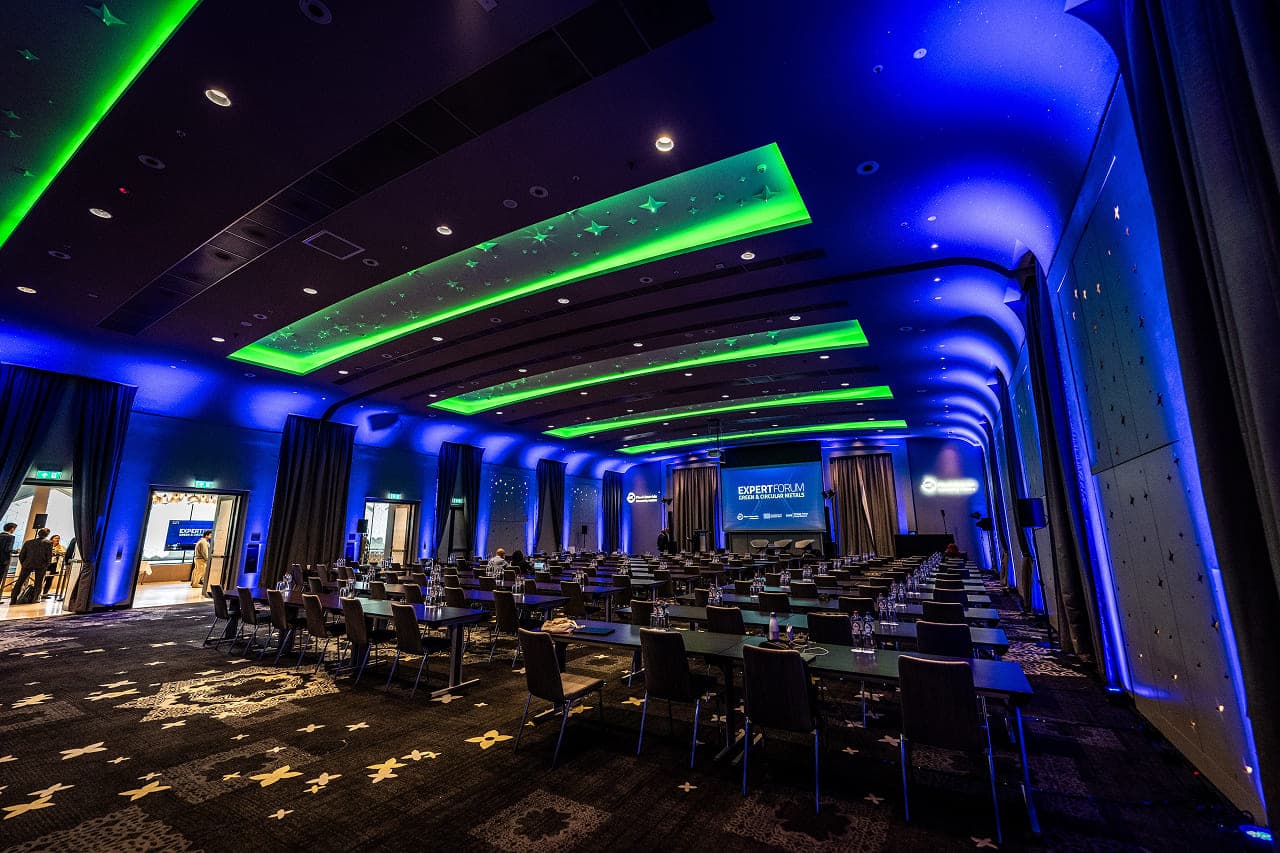
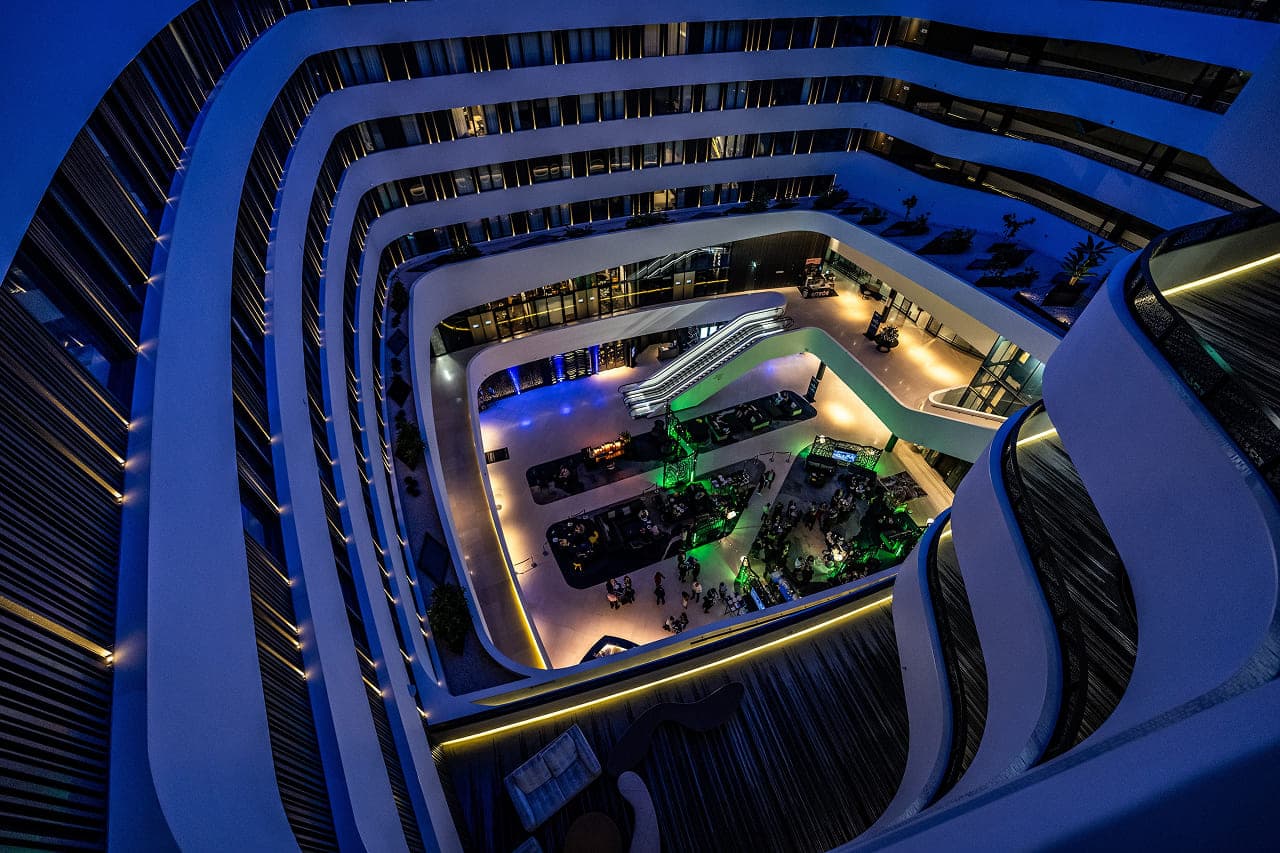
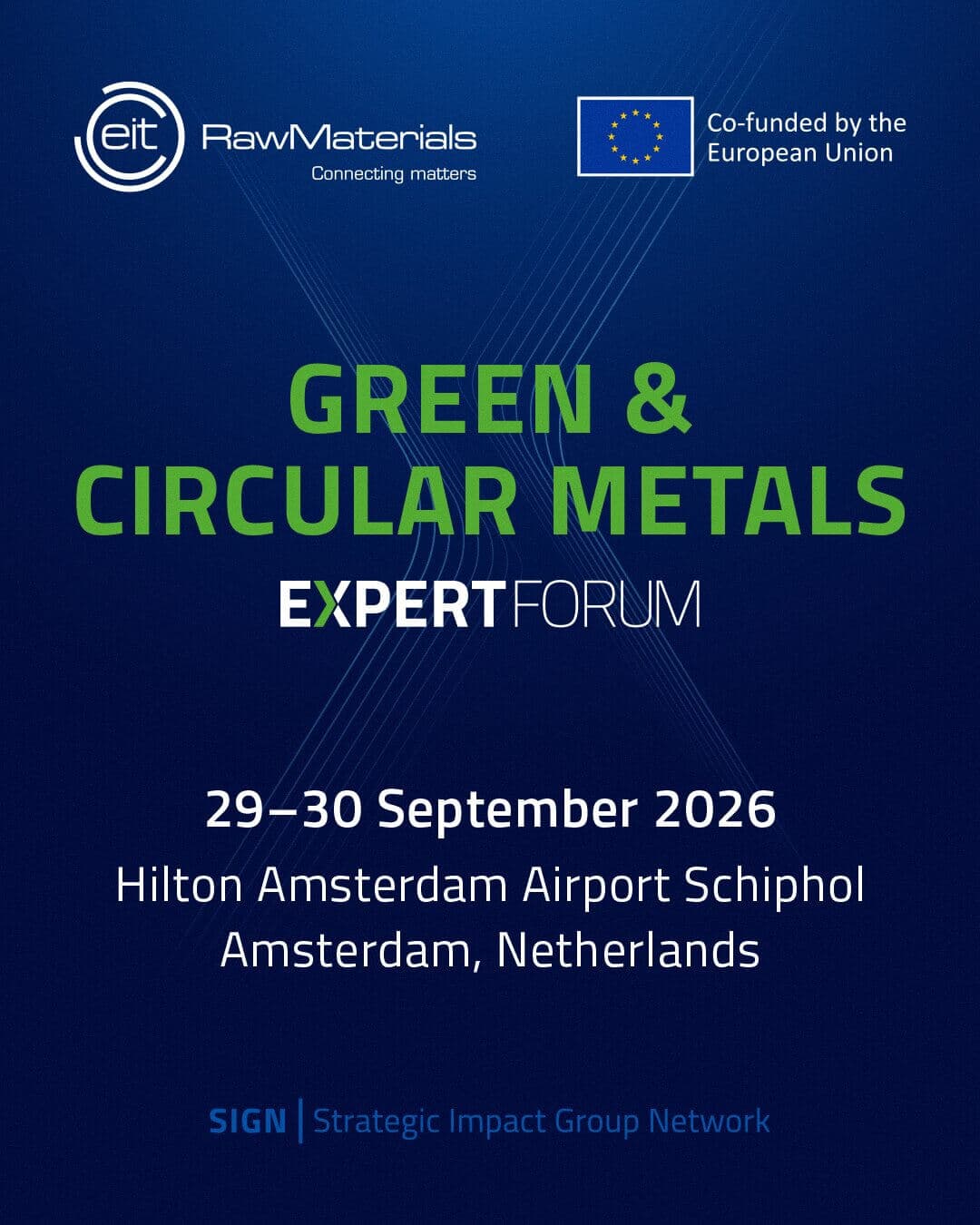
EIT RawMaterials Green & Circular Metals SIGN Expert Forum – Hilton Hotel, Schipol Airport Amsterdam, 29th & 30th September 2026
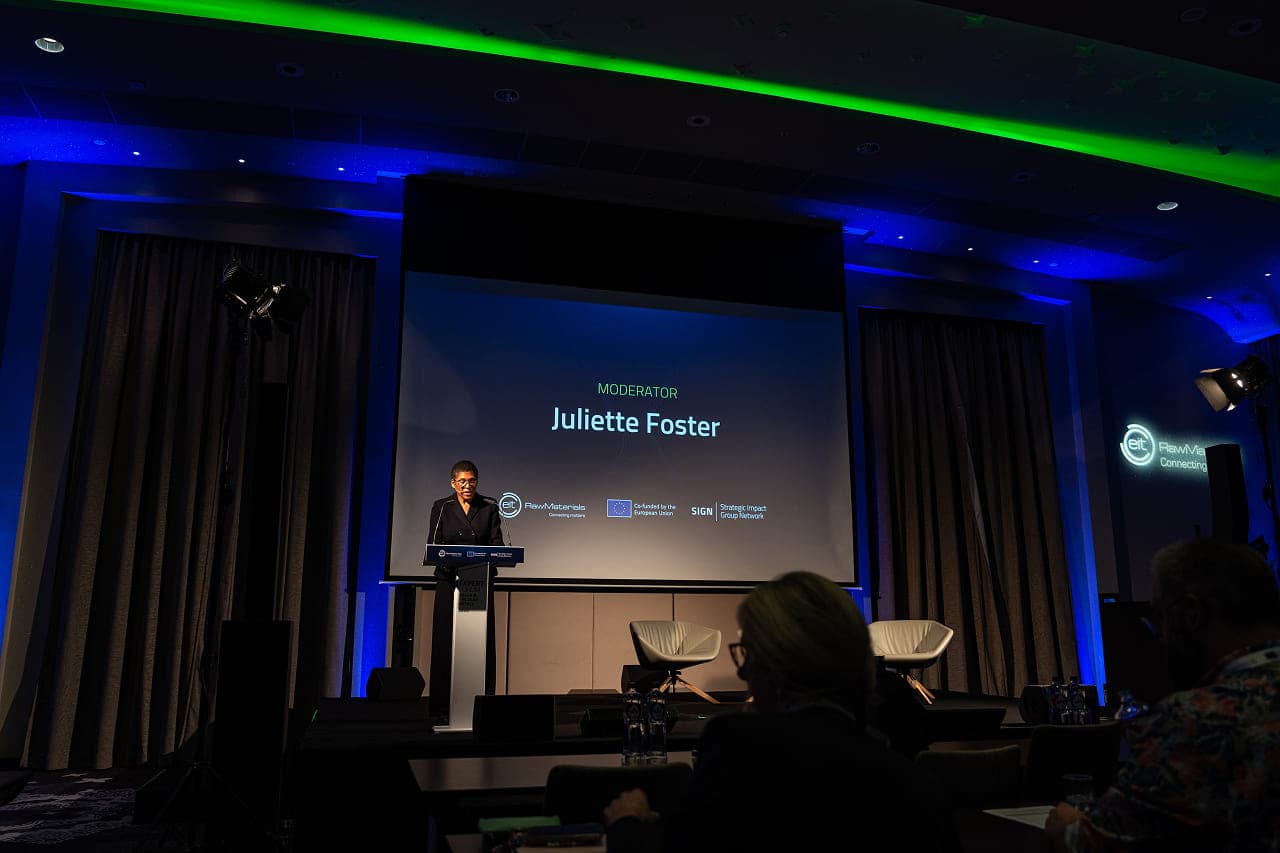
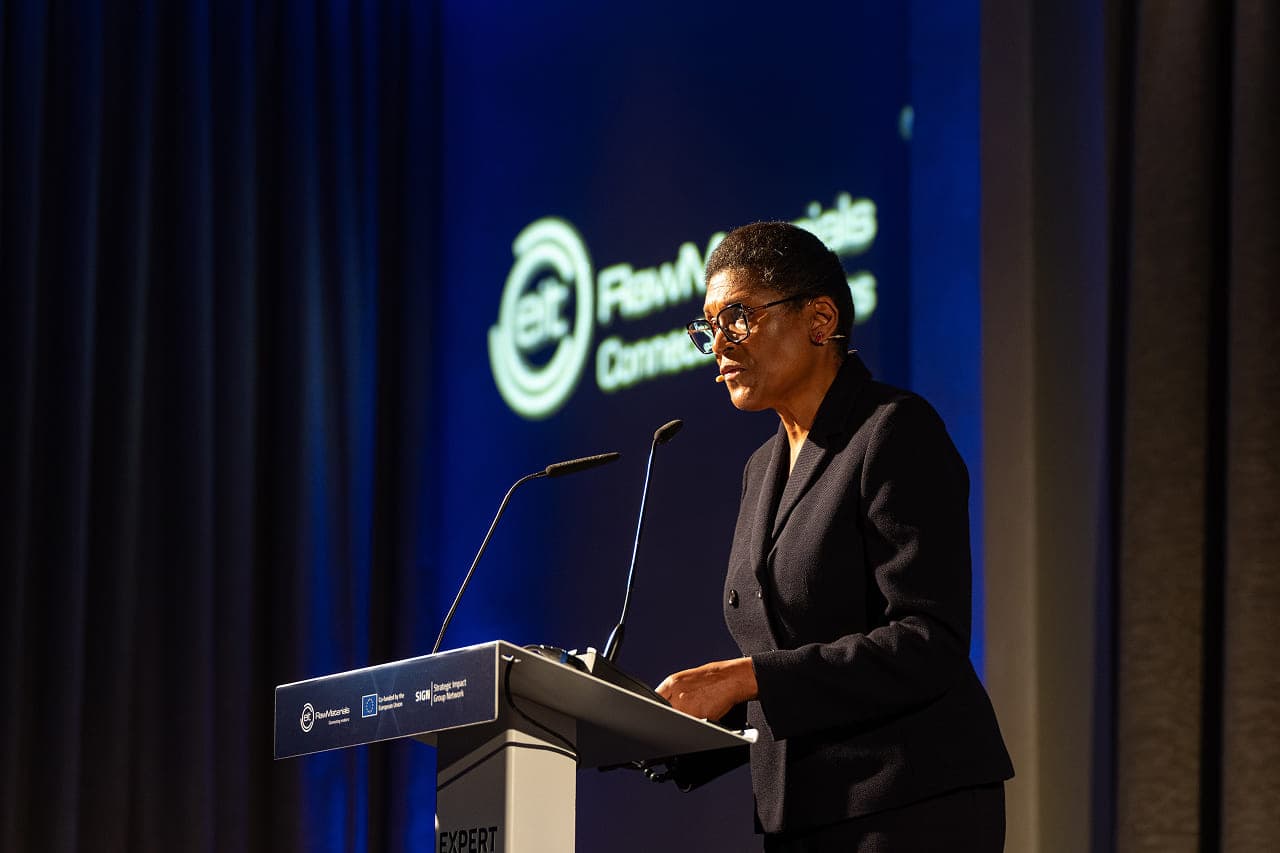
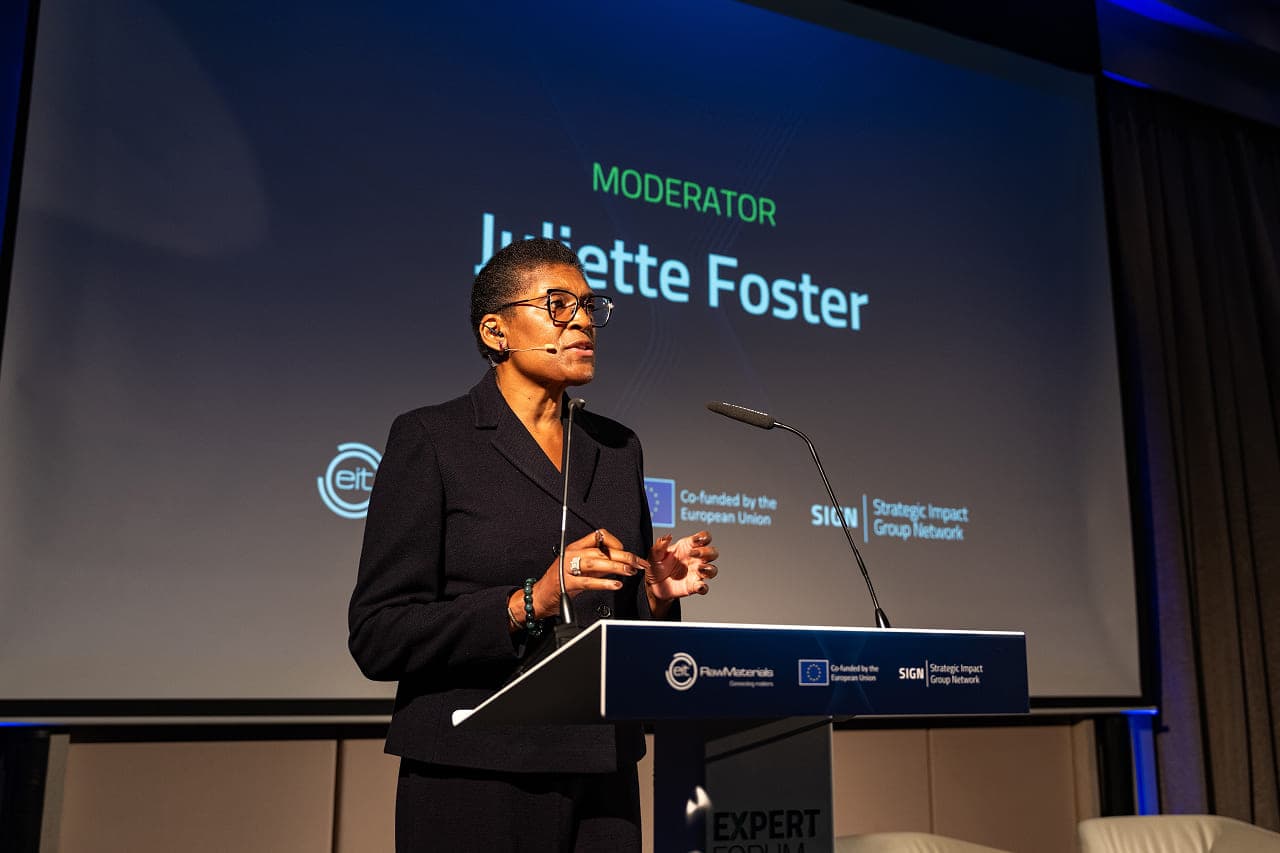
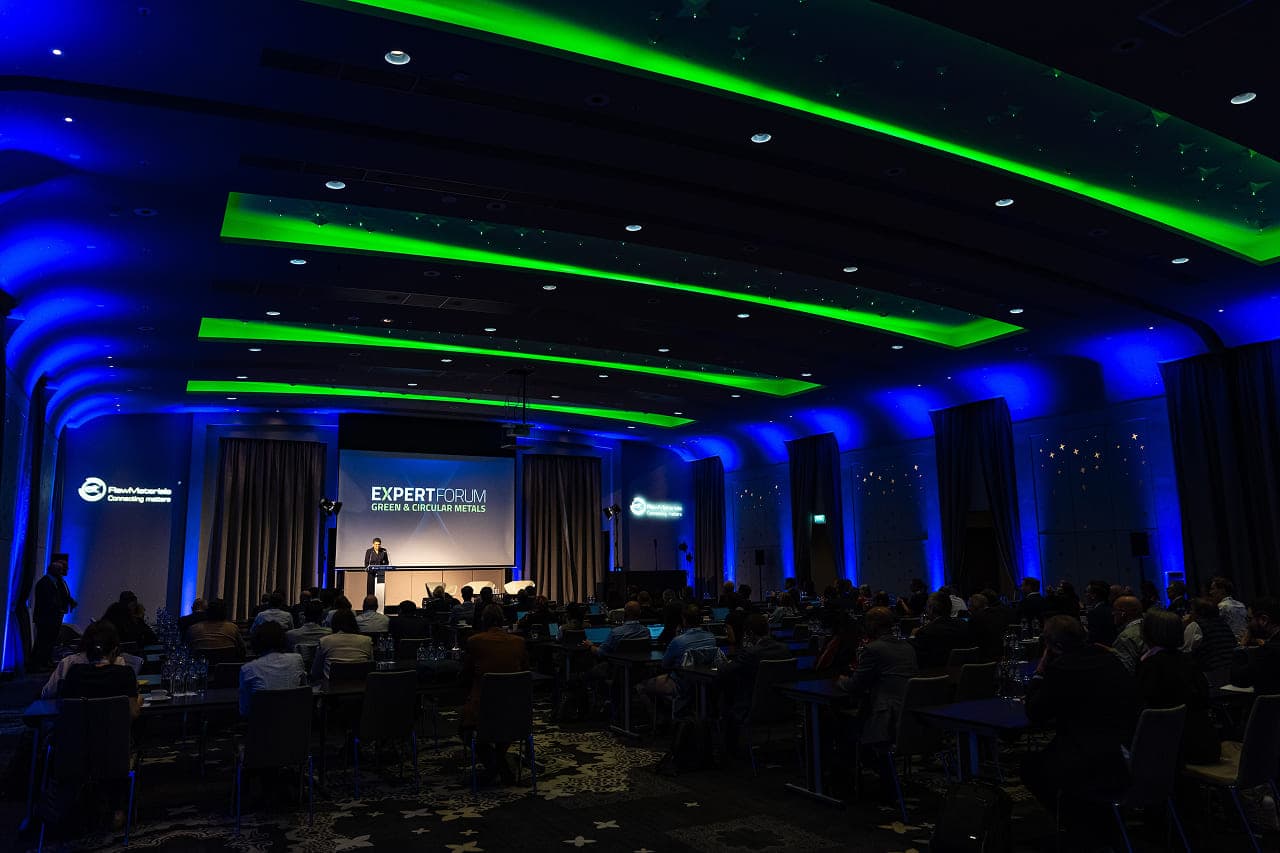
The EIT RawMaterials Green & Circular Metals SIGN Expert Forum 2026 took place at the Hilton Hotel, Schiphol Airport, Amsterdam, bringing together senior leaders from Europe’s metals, recycling, energy, technology, policy and research communities for two days of highintensity discussion on circularity, decarbonisation, industrial resilience, skills, and the future of Europe’s strategic raw materials ecosystem. Moderated across multiple sessions by broadcaster Juliette Foster, the Forum convened CEOs, policymakers, innovators, academics, recyclers, and earlycareer talent to explore how Europe can accelerate its transition from linear value chains to a competiti ve, resilient and circular industrial system.
Ahead of the main programme, thirty students participated in a Tata Steel Netherlands site visit, a Hurricane Game workshop, and intensive pitchcoaching sessions — forming the foundation for the OICT Innovation Sprint that would later take centre stage.
Across two days, speakers examined the technological, regulatory, market and workforce conditions shaping Europe’s circular transition at a moment when circularity, decarbonisation and electrification are converging into a single industrial agenda.
1. Steel & Energy: The Strategic Levers of Europe’s Industrial Transition
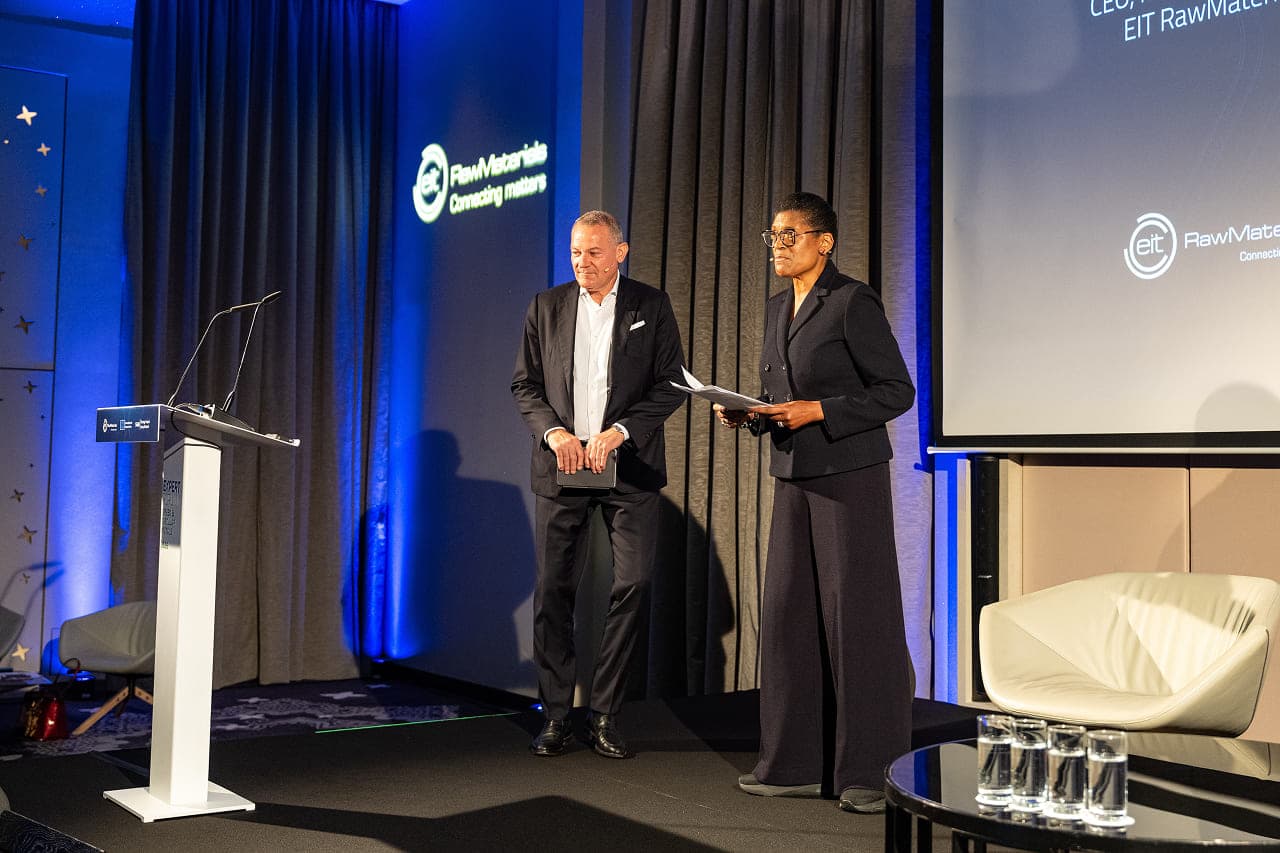
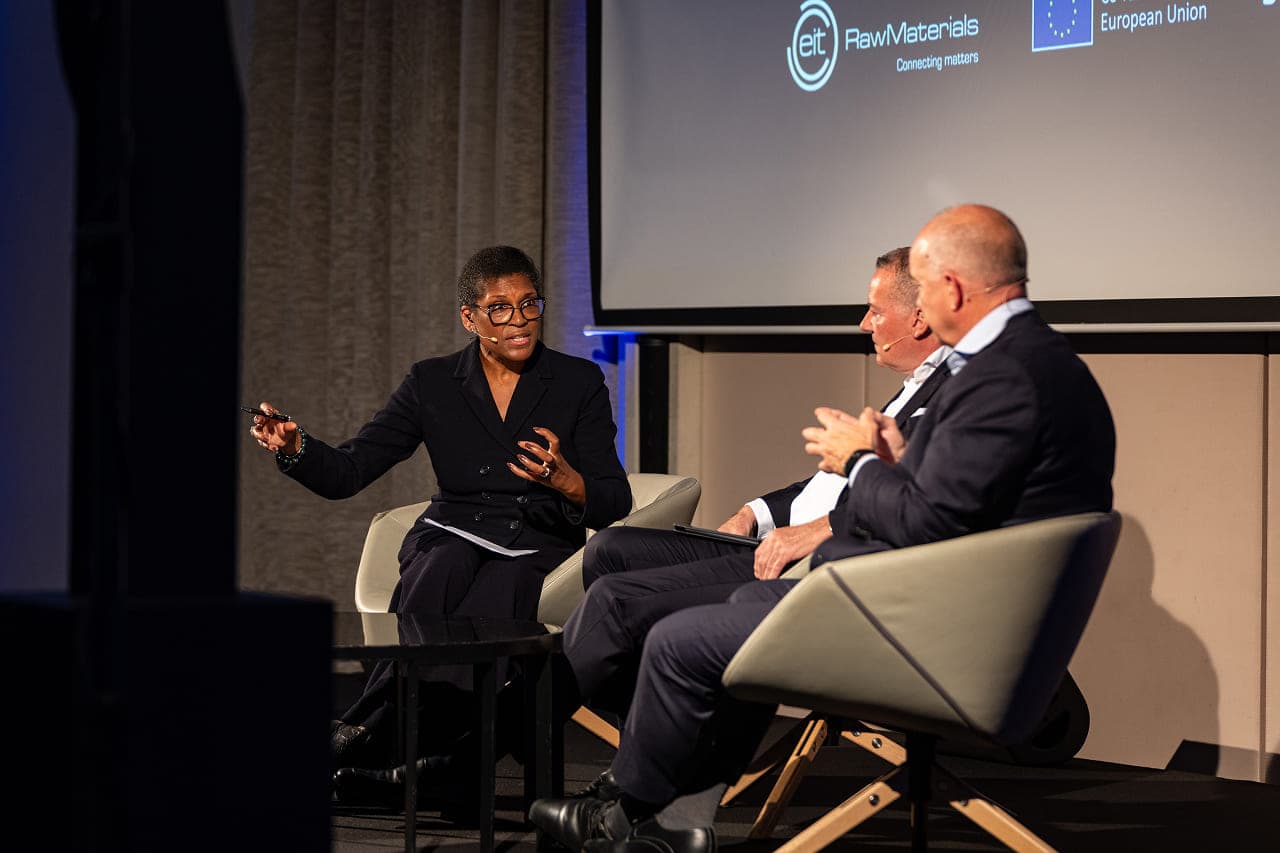
Opening Fireside Chat 13:05–13:25
The Forum opened with a highlevel strategic dialogue between Bernd Schäfer (CEO & Managing Director, EIT RawMaterials) and Hans van den Berg (CEO, Tata Steel Netherlands). The discussion explored the critical role of steel and energy in Europe’s circular and lowcarbon future, highlighting:
- The tension between cost efficiency, energy footprint and global competitiveness
- Whether Europe’s transition is primarily an energy challenge or a scrapaccess challenge
- The mandates and policy signals needed to accelerate industrial transformation
- The competitive advantages Europe must cultivate to emerge stronger
- Opportunities to connect steel, energy and critical raw materials into more circular value chains
Speakers emphasised that steel and energy are not isolated sectors but strategic levers that determine the pace and credibility of Europe’s industrial transition.
2. Circular Metals in Europe: The Industrial Reality
Panel Discussion — 13:25–13:55
This session assessed Europe’s circular metals landscape, examining where ambition aligns with industrial reality — and where gaps remain. Carsten Gerhards (Circular Valley Foundation), Inge Neven (VITO), and Karl Vrancken (Indaver) explored:
- The conditions required for functioning circular ecosystems
- Innovation bottlenecks slowing deployment
- Operational realities in resource recovery and secondary raw materials
- Fault lines between policy ambition and industrial capability
- The global context shaping Europe’s circular competitiveness
Speakers highlighted scrap leakage, downcycling, energy costs, and regulatory fragmentation as persistent barriers — but also pointed to emerging opportunities in new markets, technologies and crossvaluechain collaboration.
3. Enablers of Success: Collaboration, Investment, Innovation & Skills
DeepDive Discussion — 13:46–13:54
Panellists examined the enablers that will determine whether Europe can scale circular metals at industrial level:
- The single condition that matters most for success
- Where Europe is genuinely getting circularity right
- The gap between ambition and willingness to act
- Global alignment on standards and scrap flows
- Investment signals strong enough to unlock scale
- Regulatory barriers that must be removed immediately
Speakers stressed that circularity cannot succeed in isolation — Europe needs coordinated action across policy, markets, technology and skills.
4. Europe’s Circular Economy Act: Policy as an Industrial Accelerator
Keynote Address — 13:55–14:10
Aurel CiobanuDordea, Director for Circular Economy at the European Commission, delivered a keynote on the forthcoming Circular Economy Act, outlining:
- The Act’s core ambition and funding pathways
- Harmonisation of waste, byproduct and endofwaste rules
- Balancing open markets with securing feedstock for European recyclers
- Improving collection and recovery of critical raw materials
- Demandside measures to create markets for circular metals
- Investment conditions needed to scale recycling and circular metallurgy
- The role of highquality secondary materials in advanced applications
- The potential contribution of the Critical Raw Materials Centre
The keynote reinforced that circularity is now a competitiveness and resilience imperative, not merely an environmental ambition.
5. Metals & Recycling Leaders Put the Circular Economy Act Under the Microscope
Industry Panel — 14:10–14:45
Leaders from aluminium, zinc, recycling and metals sectors — including Olivier François, Francesca Cavezza, and Sabina Grund — discussed what the Circular Economy Act must get right to move circularity from policy ambition to industrial delivery. Key themes included:
- Functioning secondary raw materials markets
- Scrap access and traceability
- Circular design and quality recycling
- Demand creation through procurement and standards
- Investment conditions for circular business models
- Europe’s industrial competitiveness in a global market
Speakers emphasised that Europe cannot afford misalignment or weak incentives if it is to achieve strategic autonomy and resource security.
6. SIGN Working Themes: Valorisation, CO₂ Footprint & Skills
Session Introduction — 14:50–15:55
Three core SIGN themes were introduced as the backbone of Europe’s circular transition:
- ByProduct & EndofLife Valorisation — turning underused material streams into valuable resources
- CO₂ Footprint & Carbon Capture & Utilisation — aligning circularity with climate ambition
- Skills — building the workforce required to scale innovation and industrial transformation
Industry leaders demonstrated how these themes translate into real projects.
Valorisation Presentations
- Marco Bersani (Circular Materials) — recovering critical raw materials from wastewater
- Dr. Cora Kleeberg (Aurubis) — copper refining from electronic waste
- Bart Verrecht (Umicore) — battery recycling and nonferrous metals recovery
Speakers shared technologies, results and lessons learned from turning underused streams into industrial feedstock.
7. Pathways to Reduce CO₂ Footprint in the Metals Industry
Decarbonisation Session — 15:25–15:45
Philipp Barth (Outokumpu) and Jorg Schäfer (Aluminium Deutschland) explored:
- Stainlesssteel decarbonisation strategies
- The role of recycling in reducing emissions
- The impact of aluminium scrap exports
- Why circularity cannot function without primary extraction
- Remaining challenges to zerocarbon metals production
Speakers highlighted the need for accurate CO₂ accounting, CCU technologies, and valuechain collaboration.
8. Skills for the Green & Circular Metals Transition
Panel Discussion — 15:45–16:05
Stephanie Levy (EIT RawMaterials) moderated a discussion with Ivano Menso, Alessandra Hool, and Daisy Beelen on Europe’s strategic skills needs. Themes included:
- Workforce gaps slowing circular deployment
- Capabilities required for advanced materials processing
- Skills for recycling, CCU, digitalisation and industrial innovation
- Aligning education with industry needs
- Strengthening competitiveness through talent development
Speakers emphasised that skills are the bridge between innovation and implementation.
9. Strategic Keynote: Europe’s Circular Ambition
Keynote — 16:05–16:15
Emmo Meijer, Chairman of the Board of EIT RawMaterials, provided a strategic perspective on Europe’s industrial transition, connecting themes of capability, collaboration and circular ambition.
10. OICT Innovation Sprint: The Next Generation of Circular Innovation
Student Pitches — 16:45–17:45
Six student teams presented sevenminute pitches developed through weeks of coaching with EIT RawMaterials. Using scorecards and SurveyMars voting, the audience selected the winning team (to be added once confirmed). The Sprint showcased:
- Creative, practical solutions to circular metals challenges
- Earlycareer talent entering Europe’s raw materials ecosystem
- Industryacademia collaboration
- The future pipeline of circular innovation
The session concluded with the announcement of the winning team and networking with students.
DAY 2 — WORLD CAFÉ: Four Spaces, Four Challenges, One Shared Purpose
Day 2 of the Expert Forum was devoted entirely to a World Café — a multispace, multitopic collaboration format designed to turn dialogue into practical action. Participants moved freely between four parallel discussions, each cofacilitated by EIT RawMaterials and Working Group leaders.
The Four World Café Themes
- From Emissions Reduction to Carbon Valorisation Exploring pathways for circular industry, CCU technologies, and lowcarbon processes.
- Closing the Loop: CrossSector Opportunities for Metal Recovery & Valorisation Identifying industrial symbiosis, recovery pathways, and secondary raw materials opportunities.
- Innovative Approaches to Recover Critical Raw Materials from EWaste Examining technologies, bottlenecks, and market conditions for CRM recovery.
- Skills Exchange: From Industry Need to Learning Action Mapping the capabilities required to scale circularity and strengthen Europe’s workforce.
Across two 45minute rounds, participants compared experiences, challenged assumptions, and developed practical insights. Whiteboards filled with ideas, barriers, opportunities and collaboration pathways — all feeding directly into SIGN Working Groups and future joint initiatives.
The morning concluded with a wrapup synthesising the key takeaways:
- Build circular ecosystems that actually function
- Accelerate deployment so innovation reaches the ground faster
- Strengthen resource recovery and secondary raw materials markets
- Align skills with industrial needs
- Connect value chains to unlock scale
The World Café reinforced that circularity is a systems challenge — and systems only change when every part of the value chain is in the room.
A Sector at a Turning Point
Across two days, the Expert Forum painted a picture of a European industrial system undergoing profound transformation. Whether discussing circularity, decarbonisation, secondary raw materials, policy, skills or innovation, speakers returned to a shared message:
Europe’s future competitiveness will be defined by its ability to combine circular innovation with resilience, governance, skills and systemwide readiness.
With contributions from CEOs, policymakers, researchers, recyclers, innovators and students — and moderated across multiple sessions by Juliette Foster — the Forum offered a comprehensive view of the challenges and opportunities shaping the next era of Europe’s circular and strategic raw materials economy.
Juliette did a great job moderating our Green & Circular Metals Expert Forum. She was very engaging on stage and connected well with both the speakers and the audience. We received a lot of positive feedback about her moderation after the event.
It was a real pleasure working with Juliette, and we would be very happy to work with her again.
EIT RawMaterials