MoneyLIVE North America 2026
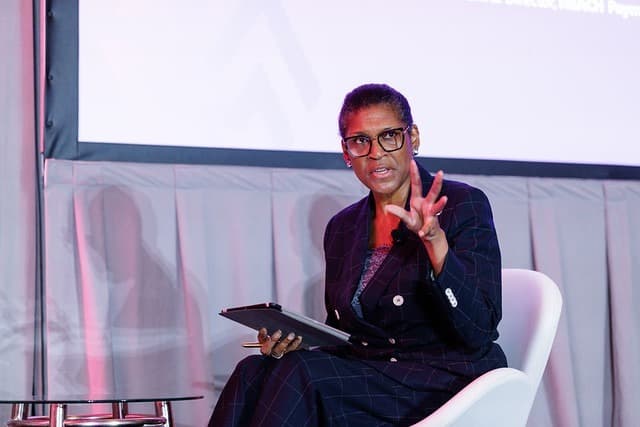
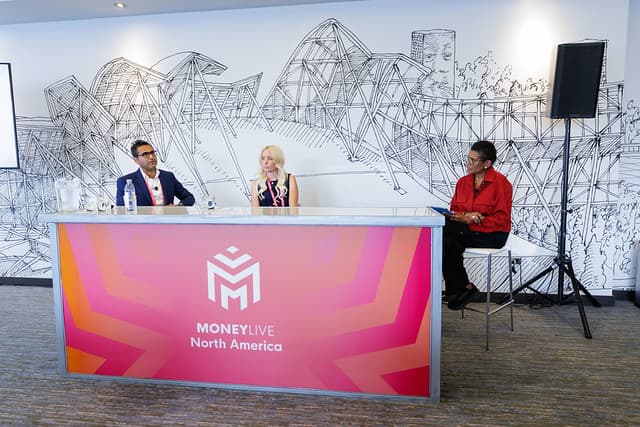
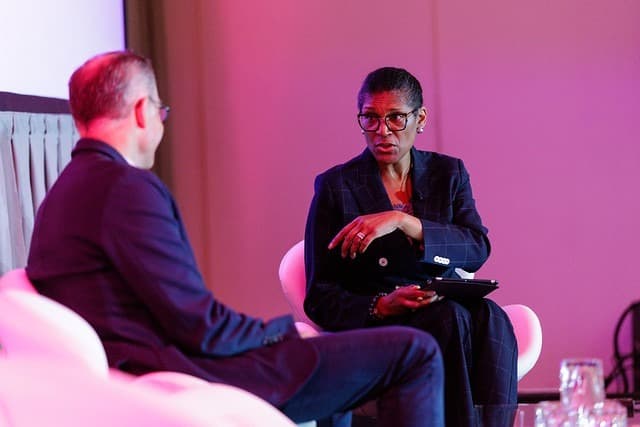
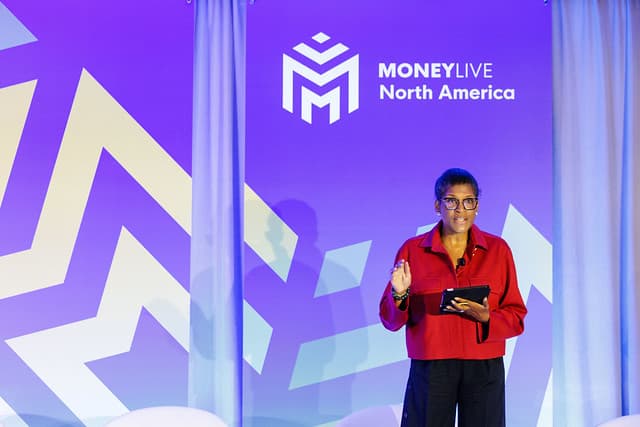
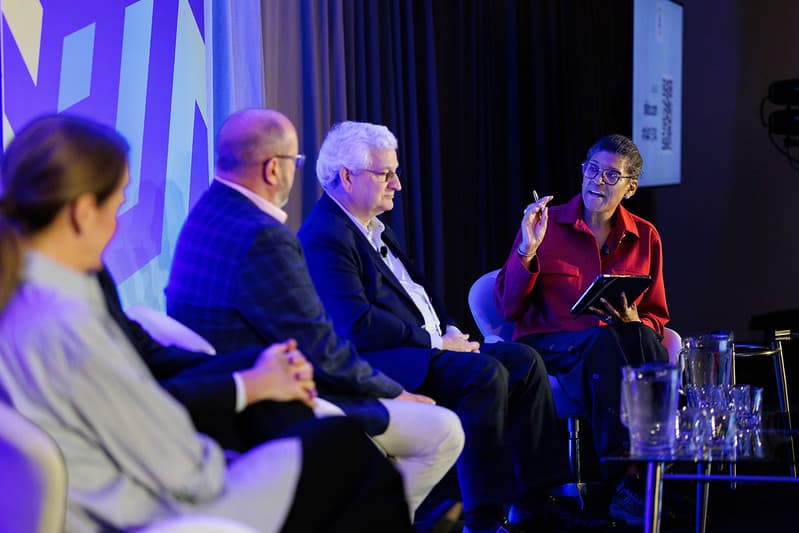
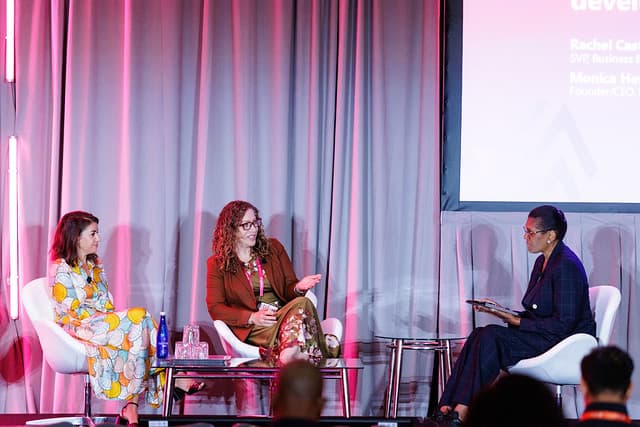
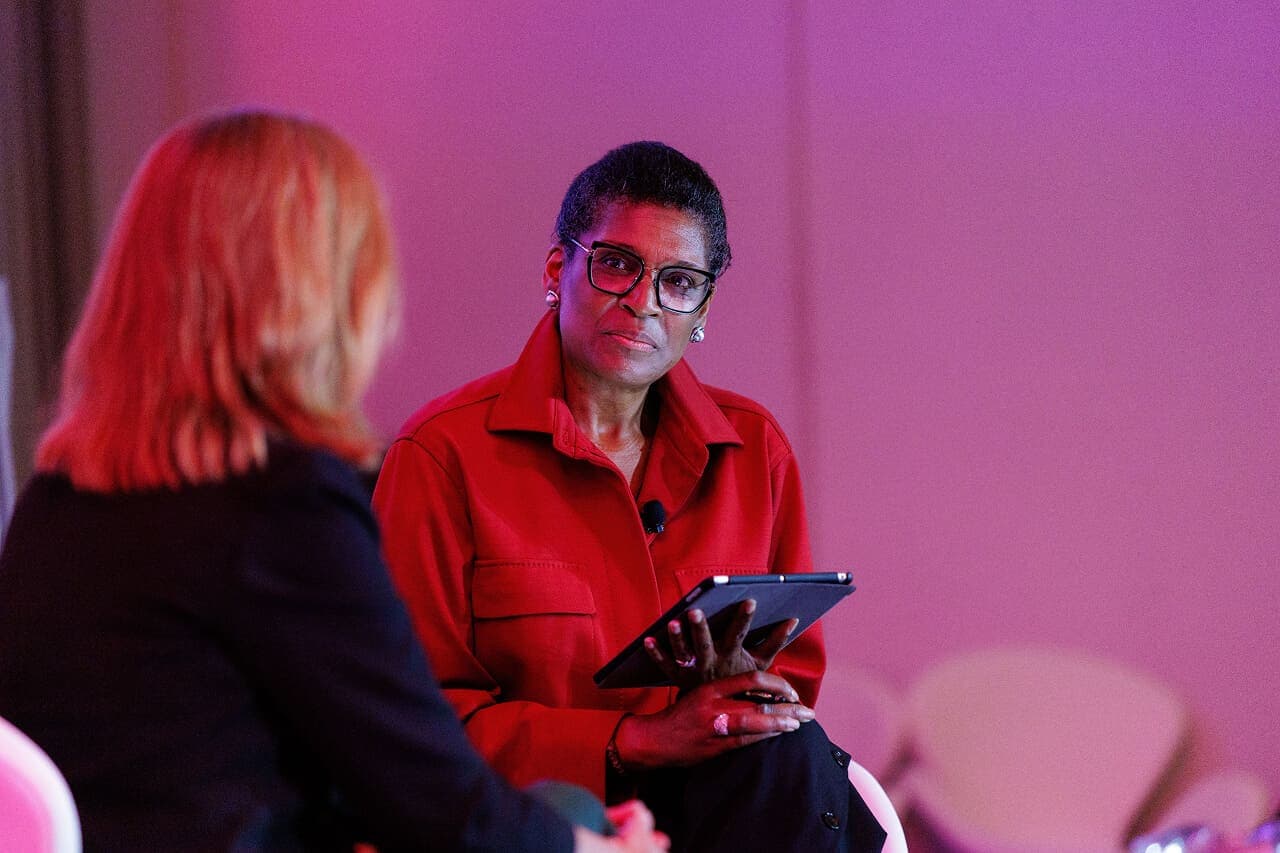
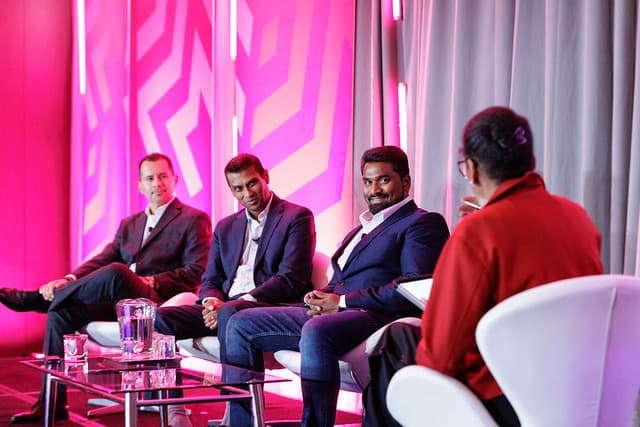
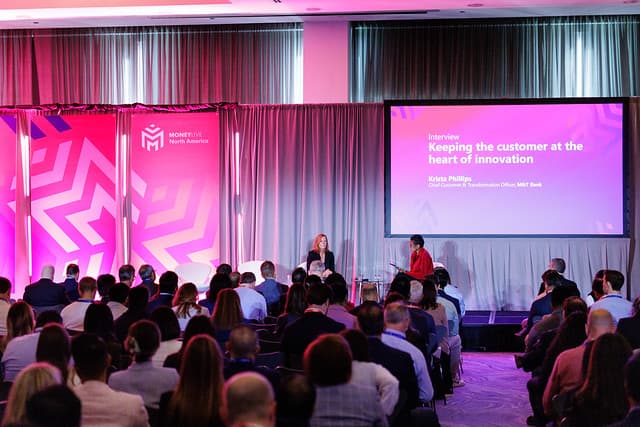
MoneyLIVE North America 2026 took place in Chicago Illinois and brought together senior leaders from across the U.S. banking, payments, fintech, and regulatory ecosystem for two days of highintensity discussion on AI transformation, customer experience, commercial payments, cyber resilience, modernization, and the future of financial services. Moderated across multiple stages by broadcaster Juliette Foster, the Summit featured keynote contributions from industry figures including Krista Phillips (Chief Customer & Transformation Officer, M&T Bank), Jelena McWilliams (Former Chair, FDIC), Rizwan Khalfan (Vice Chair, Strategic Growth & Innovation, TD Bank), and Pretty Khare (Head of U.S. Strategic Planning, RBC).
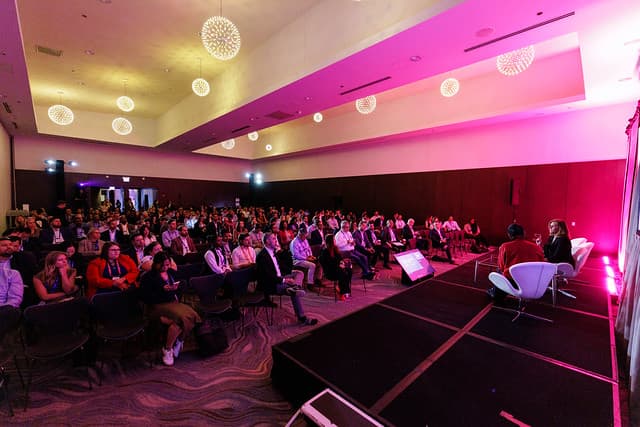
Across six stages and a packed agenda, speakers explored the operational, technological, regulatory, and strategic forces reshaping the financial system as AI moves from experimentation to enterprise scale, payments accelerate toward realtime ubiquity, and banks confront new risks across cyber, fraud, and vendor ecosystems.
1. AI and Innovation: Reinventing the DigitalFirst Bank
Stage 1 – Opening Session
The Summit opened with a deep dive into how AI is reshaping banking from customer experience to core operations. Krista Phillips (M&T Bank) emphasised that innovation must remain anchored in customer problems, not technology trends. Key themes included:
- The shift from digital convenience to AIdriven personalisation
- Maintaining human trust as automation expands
- The changing expectations of modern banking customers
- The cultural transformation required to innovate at scale
Catena Labs explored what it means to build an AInative financial institution, arguing that agentic finance, autonomous decisioning, and new digital asset infrastructures will redefine banking architecture.
A fireside chat with Santander and KPMG examined how banks move from pilots to enterprise AI transformation, highlighting:
- Deterministic outcomes for customerfacing AI
- The evolution from generative AI to autonomous agents
- The need to modernise core systems to unlock AI value
- AI’s role in future M&A integration and data migration
The Leaders’ Forum brought together Northern Trust, BMO, and former Wells Fargo leadership to discuss the AIpowered bank, focusing on:
- Where AI is already delivering measurable business value
- Reinventing workflows and operating models
- Building AIready data foundations
- Governance, oversight, and the buildpartnerbuy decision
2. Commercial Payments: The New Landscape
Stage 2 – Corporate Payments Transformation
This session examined how realtime capabilities, virtual cards, and new payment rails are reshaping corporate banking.
RealTime Payments & Request for Payment
Christopher Ward (Truist) outlined how realtime bill pay and RfP can transform corporate workflows, reduce friction, and improve reconciliation.
Virtual Card Innovation
HSBC and PEX explored:
- Growth sectors for virtual card adoption
- Granular spend controls for distributed teams
- Using enriched transaction data for forecasting and insights
- Supplier enablement as the critical barrier to scale
Readying Corporates for RealTime
A panel featuring The Clearing House, the Federal Reserve Bank of Chicago, Truist, and Qolo highlighted:
- The strongest commercial use cases emerging today
- Adoption barriers across legacy ERP systems
- Fraud risks on instant rails and mitigation strategies
- Realtime liquidity and cashmanagement opportunities
- Competing on value rather than connectivity alone
Regulatory Outlook
Former FDIC Chair Jelena McWilliams provided a candid view of:
- Underestimated regulatory shifts in U.S. banking
- The future of open data
- AI regulation and supervisory readiness
- Stablecoin frameworks and longterm viability
- Lessons from BaaS failures and partnership governance
3. Marketing & Engagement in the Age of AI
Stage 1 – Afternoon Session
Pretty Khare (RBC) opened with a keynote on competitive advantage in an AIdriven market, exploring tokenization, agentic systems, and the strategic choice between owning the interface or becoming the backend.
Predictive & Agentic AI for Customer Understanding
Tru Cooperative Bank discussed:
- How AI is transforming customer intent modelling
- Moving beyond nextbestaction to agentic orchestration
- Balancing innovation with responsible AI and human relationships
- What will differentiate banks that genuinely strengthen customer trust
Marketing Strategy in Practice
Citizens Bank, Scotiabank, and Naehas explored:
- AIpowered marketing use cases moving into production
- Managing infinite GenAI content possibilities
- Predicting purchase probability and intent
- Crosssell opportunities using richer customer data
- Governance and compliance in AIaccelerated campaign creation
- Preparing for AIdriven search and product discovery
- Where agentic AI can safely automate campaign management
4. Cyber & Operational Resilience: The Engine of Risk Reduction
Stage 3 – Late Afternoon Session
This session tackled the rapidly evolving threat landscape as AI transforms both attack and defence.
Agentic AI in Fraud, Financial Crime & Cybersecurity
Barclays and Footprint highlighted:
- New AIenabled attack vectors emerging across fraud and cyber
- Where AI is already delivering measurable defensive value
- Opportunities for AI agents to reduce operational burden
- Risks such as hallucinations, prompt injection, and sandbox escape
- The priorities security leaders must act on in the next 12–24 months
Vendor Vulnerabilities & NthParty Risk
Western Alliance, Customers Bank, and Columbia University explored:
- The hardest vendor risks for banks to see or control
- Continuous monitoring without overwhelming noise
- Meeting Interagency Guidance expectations
- Mapping subcontractor ecosystems several layers deep
- Due diligence for AIenabled vendors
- Designing resilient exit and transition strategies
The session closed with a reminder that resilience now depends on both AIdriven defence and deep visibility across vendor ecosystems.
5. Establishing a Competitive Edge in a Changing Market
Stage 1 – Day 2 Opening Session
Day 2 opened with Nadim Homsany (BECU/EarnUp) on humancentred AI, exploring how automation can reduce friction while strengthening relationships.
TD Bank’s Rizwan Khalfan examined trust in agentic banking, outlining how incumbents can innovate responsibly as AI becomes more autonomous.
Rob Rooney (Hyperlayer) explored lessons from digitalnative challengers, including:
- Where neobanks still outperform incumbents
- The cultural drivers of speed and agility
- How incumbents can reduce friction and modernise experiences
- Why incumbents struggle to use their rich data for personalisation
- How AI changes the competitive dynamic
A panel featuring BMO, Citi, and NEACH Payments explored FinTech partnerships and strategic investment, highlighting:
- How banks structure venture teams
- Where investment attention is shifting
- Operational realities often underestimated in partnerships
- AI’s impact on partner selection and governance
- What separates partnerships that scale from those that stall
6. Smart Operations: AI & Digital Transformation in Action
Stage 1 – Midday Session
Sanjoy Sarkar (First Citizens Bank) opened with a keynote on the autonomous enterprise, exploring intelligent workflows, robotics, and automation at scale.
AI in Software & Product Engineering
U.S. Bank and MAS Global discussed:
- AI’s impact on coding, refactoring, and testing
- Ensuring AIgenerated code meets bankinggrade security
- Efficiency gains in integration pipelines and deployment
- Governance and organisational barriers to production
- Where human expertise remains essential
Why AI Agents Fail in Production
Grep.ai explored:
- Common failure modes in agentic systems
- How to design agents that operate safely at scale
- The operational realities of deploying autonomous systems
Engineering Control into AI Agents
Fifth Third Bank, Barclays, and SAS highlighted:
- New vulnerabilities introduced by agentic AI
- Designing taskscoped, policybound agents
- Traceability, logging, and audit trails
- Humanintheloop processes
- Continuous auditing and adversarial testing
- Data foundations required for safe scaling
A Sector Undergoing Rapid Reinvention
Across two days, MoneyLIVE North America 2026 painted a picture of a financial system undergoing profound transformation. Whether discussing AI, realtime payments, customer engagement, cyber resilience, vendor ecosystems, or competitive strategy, speakers returned to a shared message:
The future of banking will be defined by the ability to combine AI innovation with trust, resilience, governance, and systemwide readiness.
With contributions from senior banking leaders, regulators, technologists, innovators, and risk specialists — and moderated across multiple stages by Juliette Foster — the Summit offered a comprehensive view of the challenges and opportunities shaping the next era of North American financial services.