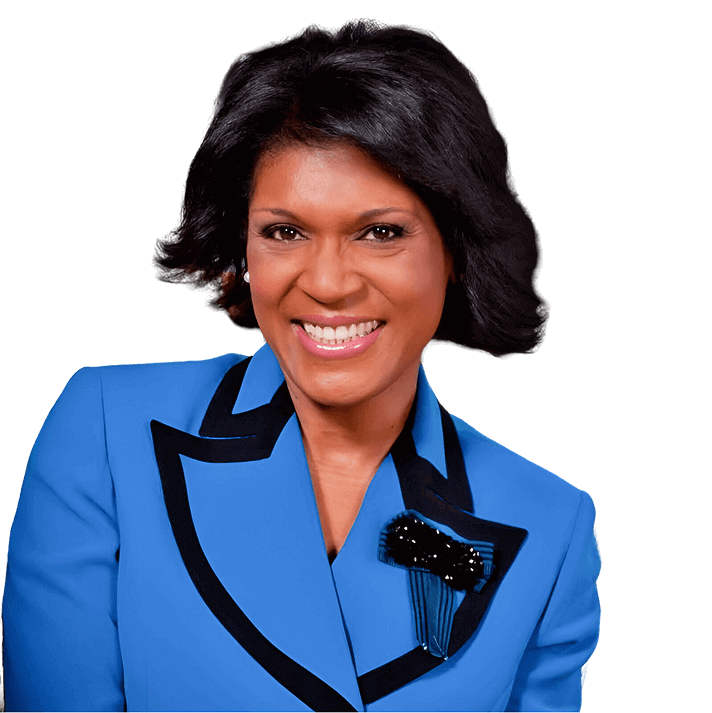
After three decades of delivering news on live television where there are no second takes, and millions of viewers judge every word, pause, and gesture, I’ve learned that public speaking is both an art and a science. Whether you’re presenting to five people or five thousand, these principles remain constant.
Introduction: Why A Broadcast Journalist’s Perspective Matters
Broadcasting demands perfection under pressure. You can’t stumble over words when a story breaks. You must command attention in a saturated media landscape. You need to build trust instantly. These aren’t abstract ideals; they’re survival skills in journalism. And they translate directly to any professional presentation.
The same techniques that hold viewer attention during a nightly newscast work equally well in boardrooms, conferences, and community events.
1: Master Your Message (Know Your Content Inside Out)
The Broadcast Approach:
In journalism, we never deliver stories we haven’t thoroughly researched. Before I ever sit in front of a camera, I’ve read every source, verified every fact, and crafted a compelling narrative.
Why This Matters:
- Audiences sense uncertainty instantly
- Deep knowledge builds credibility and confidence
- You can adapt on the fly when you truly understand your material
How to Apply It:
- Research your topic for 2-3 times longer than your presentation length
- Create a “confidence document”, a one-page summary with key facts, statistics, and stories
- Practice delivering your content in different ways (this reveals gaps in understanding)
- Anticipate 10-15 potential audience questions and prepare answers
Real-World Example: When breaking a major story, broadcast journalists spend hours digging into context before going live. A 2-minute news segment might represent 4 hours of research. Your audience deserves that same level of preparation.
2: Hook Your Audience in the First 10 Seconds
The Broadcast Principle:
Television operates on ruthless metrics. If viewers don’t engage in the first 10 seconds, they change the channel. Period. This teaches you that your opening is everything.
Why This Matters:
- Attention spans are shrinking (the average professional can focus for 8-12 minutes)
- First impressions determine credibility
- Your opening sets the emotional tone for the entire presentation
Strategic Opening Techniques:
| Opening Type | Use Case | Example |
| Surprising Statistic | Data-driven topics | “87% of professionals say public speaking is their #1 fear—but only 5% actually improve it.” |
| Bold Question | Audience engagement | “How many of you have lost a sale because you couldn’t clearly explain your value?” |
| Personal Story | Building connection | “My first live broadcast, I forgot every word. Here’s what I learned…” |
| Relevant Crisis | Urgent topics | “This week, 3 companies failed not because of bad products, but because they couldn’t communicate.” |
| Unexpected Stat | Surprising findings | “The average person speaks 7,000 words daily, yet few speak them effectively.” |
Action Steps:
- Write 3 different opening options for your presentation
- Time for each one (they should be 30-45 seconds)
- Test them on colleagues and pick the one that generates the most genuine reaction
- Deliver your opening from memory, not notes
3: Develop a Distinctive Speaking Voice
The Broadcast Journalist’s Advantage:
In broadcasting, your voice is your brand. News anchors spend years developing vocal patterns that signal trust, authority, and approachability. You can do the same.
Why This Matters:
- A confident voice increases perceived credibility by 35-45%
- Vocal consistency helps audiences retain information
- Distinctive speaking patterns make you memorable
Four Elements of a Powerful Voice:
A. Pace Control
- Problem: Most nervous speakers rush (180+ words per minute)
- Solution: Aim for 120-150 words per minute, varying by content
- Technique: Use the “comma pause” method, pause at every comma, longer pause at periods
B. Volume Variation
- Don’t speak at constant volume
- Increase volume when emphasising key points
- Lower volume to draw listeners in (they lean forward)
- Avoid sounding like a robot reciting monotone facts
C. Strategic Silence
- Use 2-3 second pauses after important statements
- Let questions hang in silence (audiences feel compelled to answer)
- Pause before delivering critical information (builds anticipation)
- Silence feels uncomfortable to you, but powerful to audiences
D. Emotional Authenticity
- Match your tone to your message
- Don’t use an artificial “presenter voice”
- Let genuine passion emerge when discussing what matters
- Practice your presentation until delivery feels natural, not rehearsed
Practice Method: Record yourself presenting 2 minutes of content 5 times. Listen back and identify:
- Where you rush
- Where your voice flattens
- Where you lose emphasis
- Your natural rhythm
Then record again, making deliberate adjustments.
4: Use Strategic Eye Contact (Not Staring)
The Broadcasting Rule:
Broadcast journalists use a specific eye contact technique when speaking to the camera. We don’t stare, we create micro-conversations. This builds intimacy without intensity.
Why This Matters:
- Eye contact increases audience trust by 30-40%
- It signals confidence and engagement
- Without it, you seem evasive or unprepared
The Professional Method:
For Live Audiences:
- Divide your audience into 3-4 zones (left, centre, right, back)
- Make eye contact with one person in each zone for 3-5 seconds
- Move zones every 10-15 seconds
- Never stare at the same person continuously (feels aggressive)
- Include people at all levels, front row, middle, and back
For Virtual Presentations:
- Look at the camera lens (not the screen) when making key points
- Glance at the participant panel occasionally (to show you’re aware of the audience)
- When someone asks a question, look at their name/video as you answer
- Position your camera at eye level (not below your face)
What NOT to Do:
- ❌ Reading slides while talking (breaks the connection)
- ❌ Looking only at one person (others feel excluded)
- ❌ Staring above heads or at the back wall
- ❌ Watching yourself on screen (kills presence)
5: Control Your Body Language (It Speaks Louder Than Words)
The Journalist’s Framework:
When delivering news, we’re trained in “neutral authority” calm, purposeful, credible body language. Your body language should reinforce your message, not distract from it.
Why This Matters:
- 55-60% of communication is non-verbal
- Body language leaks what you’re actually feeling
- Audiences judge competence partly on how you move and stand
The Essential Elements:
Posture
- Stand with weight slightly forward (shows engagement)
- Keep shoulders back and relaxed (avoid hunching)
- Plant feet shoulder-width apart (stable base)
- Avoid swaying, pacing without purpose, or crossing arms
- A small forward lean shows confidence and connection
Hand Gestures
- Let your hands rest naturally when not gesturing
- Use open palm gestures (not pointed fingers)
- Gestures should reinforce your words
- Avoid:
- Fidgeting (touching face, adjusting hair, clicking pens)
- Repetitive gestures (same movement over and over)
- Hands in pockets or clutched
- Barrier gestures (crossed arms, hands on hips)
Movement
- Move with purpose (not pacing anxiously)
- Use movement to emphasise transitions
- Step closer to the audience for intimate moments
- Step back when giving complex information (physical space signals thinking time)
- Avoid movement loops (always moving right, or never moving)
Facial Expression
- Smile genuinely when appropriate (not a perpetual grin)
- Let your expression match your content
- Don’t be afraid to show serious emotion when the topic demands it
- Raise eyebrows to show curiosity or surprise
- Avoid “resting presentation face” (looks aggressive or disinterested)
The 30-Second Assessment: Watch a 30-second silent clip of yourself. What do you see? Calm? Nervous? Engaged? Distracted? Make adjustments accordingly.
6: Tell Stories (Not Just Facts)
Why Broadcast Journalists Know This:
The best journalism isn’t dry data, it’s storytelling with data. Stories create emotion, which creates memory. Facts alone are forgotten within 24 hours. Stories stay with people for years.
Why This Matters:
- Audiences retain 65-75% of information shared in stories vs. 5-10% of statistics alone
- Stories build emotional connection
- Stories make you relatable and human
- Stories make complex ideas simple
The Three-Act Story Structure:
Every story in your presentation should follow this broadcast news formula:
Act 1: Setup (15-20 seconds)
- Introduce a character (ideally relatable to your audience)
- Establish the challenge or problem
- Make it specific, not abstract
Act 2: Conflict (20-30 seconds)
- Show what was at stake
- Describe the specific struggle
- Build tension (yes, even in business presentations)
Act 3: Resolution (10-15 seconds)
- Reveal the outcome
- Connect it to your key message
- Show the lesson learned
7: Manage Presentation Anxiety (It’s Normal—Here’s What Works)
The Broadcast Truth:
Even after 30 years, I still get nervous. The difference? I’ve learned that nervousness isn’t something to eliminate, but rather to redirect its energy.
Why This Matters:
- 75% of professionals experience presentation anxiety
- Anxiety is a physiological response (adrenaline, cortisol)
- You can’t eliminate it, but you can channel it productively
Pre-Presentation Techniques (24 Hours Before):
- Visualisation (5 minutes)
- Close your eyes
- Picture yourself delivering confidently
- See the audience responding positively
- Imagine yourself handling a difficult question smoothly
- Feel the confidence in your body
- Physical Exercise (30-60 minutes before)
- Light cardio burns excess adrenaline
- Stretching reduces muscle tension
- Walking grounds you and aids breathing
- Don’t exercise heavily (don’t show up sweaty)
- Breathing Technique: 4-7-8 Method
- Breathe in for 4 counts
- Hold for 7 counts
- Exhale for 8 counts
- Repeat 5-10 times (activates parasympathetic nervous system)
- Arrive Early
- Test all technology 30 minutes early
- Get comfortable in the space
- Deliver practice sentences from the actual stage/podium
- This removes uncertainty
- Connect With Early Arrivals
- Chat with people as they arrive
- Shake hands, make eye contact
- Transforms the audience from “judges” to “friendly people”
During-Presentation Techniques:
| Technique | When to Use | How It Helps |
| Grounding (5-4-3-2-1) | Feeling panicky | Identify 5 things you see, 4 you feel, 3 you hear, 2 you smell, 1 you taste—anchors you in the present moment |
| Power Pose | Before going on stage | Stand in an expanded position 2 minutes before presenting (increases confidence hormones) |
| Pause & Breathe | Losing your place | Take 2-3 second breath when confused (appears intentional, resets your mind) |
| Friendly Face | Nervousness spike | Find one friendly face in the audience and present to them for 30 seconds |
| Physical Reset | Energy dropping | Move to a different spot on stage, take a sip of water, shift stance |
The Reframe: Instead of “I’m nervous,” say “I’m excited.” They activate the same physical response, but excitement is productive.
8: Command Q&A Sessions (Don’t Fear Questions)
The Journalist’s Advantage:
In broadcasting, we’re trained to handle hostile interviews, sceptical audiences, and curveball questions. Q&A isn’t something to survive—it’s where you build credibility.
Why This Matters:
- Q&A is where audiences judge your real knowledge
- Handling tough questions builds authority
- It’s the most human part of your presentation
Strategic Q&A Framework:
Before the Q&A
- Set expectations: “I’ll take questions for the next 10 minutes”
- Repeat the question back (ensures clarity, buys you thinking time)
- Pause after answering (don’t rush to the next question)
Answering Difficult Questions
When You Don’t Know the Answer:
- ✅ “That’s an excellent question. I don’t have that data immediately, but I’ll research it and follow up with you.”
- ✅ “I want to give you an accurate answer. Let me get back to you on that.”
- ❌ Don’t make up an answer
- ❌ Don’t get defensive
When Someone Challenges You:
- Listen completely without interrupting
- Acknowledge their point: “I understand your concern…”
- Clarify your position calmly
- Move forward (don’t argue)
When Questions Go Off-Topic:
- “That’s interesting, but outside our scope today. Let’s discuss offline?”
- Keep it friendly—don’t dismiss the person
The “Bridge” Technique (Broadcast Journalist Secret)
Journalists use this to answer the question they want to answer:
- Acknowledge the question asked: “You’re asking about cost…”
- Pivot slightly: “What’s really important here is…”
- Answer your message: “The real value is…”
Example:
- Q: “Why is this so expensive?”
- A: “I appreciate you asking about pricing. What’s most important to understand is the ROI. Most clients see payback within 6 months, which makes the investment highly cost-effective.”
9: Design Slides That Support (Not Distract)
The Broadcast Principle:
On TV, we never let graphics overwhelm the story. Visuals support the anchor—they don’t replace them. Your slides should work the same way.
Why This Matters:
- Bad slides damage credibility
- Too much text forces audiences to choose between reading and listening
- Good slides increase retention by 15-20%
The Rules (Stolen From Broadcast News):
Less Is More
- Max 5 lines of text per slide
- Max 1-2 key visuals per slide
- Rule of three: 3 points, 3 images, 3 main ideas
- If you’re reading your slide, it has too many words
Visual Hierarchy
- Largest text = most important idea
- Use colour strategically (not decoratively)
- One dominant image per slide
- Avoid clip art (use professional photography)
The Data Visualisation Rule
- One chart per slide
- Strip out gridlines and unnecessary elements
- Label axes clearly
- Highlight the key insight
What NOT to Do
- ❌ Animation that doesn’t serve a purpose
- ❌ Bullet points longer than 6 words
- ❌ Background images that reduce text readability
- ❌ Multiple competing visuals
- ❌ Stock photos that look generic
- ❌ More than 3 colours per slide
The 6-Foot Rule: Project your slides. Stand 6 feet back. Can you read every text element? If not, it’s too small.
10: Follow Up and Build Your Speaking Authority
Why This Matters for Long-Term Success:
One presentation is an event. Multiple presentations, built on each other, create authority. Broadcast journalists build a reputation through consistent, quality content. You can do the same.
The Follow-Up Strategy:
Immediately After (24 Hours)
- Send a “thank you” email to organisers
- Include key presentation slides (or a link)
- Add resources mentioned during the presentation
- Request feedback: “How can I improve?”
The “Content Multiply” Strategy
- Record your presentation (video, audio, or transcript)
- Turn it into a blog post
- Extract key quotes for social media
- Create a downloadable guide with your top tips
- Use clips for YouTube shorts or TikTok
Build Authority Over Time
- Speak at 2-3 events per quarter
- Document and promote each speaking engagement
- Create a “speaking” page on your website
- Collect testimonials from event organisers
- Speak on increasingly prestigious platforms
Digital Footprint:
- Add speaking engagements to your LinkedIn profile
- Share presentation insights on social media
- Repurpose presentation content into a speaking portfolio
- This compounds into recognisable authority
Conclusion: Practice, Feedback, Evolution
Here’s what I know after 30 years: The best speakers aren’t naturally gifted. They’re disciplined practitioners.
Every technique in this article was learned, practised, refined, and tested. The nervousness never completely goes away. But with deliberate practice, you become competent enough that the nervousness becomes an asset—it sharpens your focus.
Start with one tip. Master it. Then add another. In three months, you’ll notice people listen differently. In a year, you’ll have the speaking presence of someone who’s been doing this far longer than you have.
The stage is waiting.