As political pushback collides with shareholder demands, businesses face a defining choice: retreat into division or embrace inclusivity as a driver of resilience and renewal.
Is DEI (Diversity, Equality & Inclusion) dead, alive, or on life support? That depends on who you believe, although the answer is far from black and white. For every organization doubling down on their DEI commitments, others are retreating or questioning its value.
In 2020 it was a very different story. The global anger that followed the killing of 46-year – old African American George Floyd by a white police officer spurred the corporate world into looking at and beefing up its DEI credentials. What began as a moral reckoning morphed into a bigger and sometimes brutal debate about perspectives, rather than who had the better equality record.
In an increasingly volatile world, DEI’s supporters believe inclusive workplaces are more necessary than ever. However, critics deride DEI as an empty, divisive concept that presents some social groups as more deserving of help than others. So, who’s right, and where does that leave the business community?
The Case for DEI
On the surface, DEI has more working in its favour than against. Initiatives that broaden recruitment allow companies to connect with traditionally marginalised communities and diverse pools of talent. The economic case is equally compelling. A 2020 study of 1,000 US firms by McKinsey & Company found that businesses with higher levels of gender and ethnic diversity were more likely to outperform their industry peers. Yet despite the positives, the mood music around DEI is souring – and politics hasn’t helped!
A Divided Landscape

In the United States, DEI is one of many hot button issues widening the fissures of public opinion. President Donald Trump has condemned it as “dangerous, demeaning, and immoral,” and he’s not alone. Hedge fund manager Bill Ackman has dismissed DEI as “inherently inconsistent with basic American values,” while tech titan Elon Musk equates it with “propaganda words.”
For corporations, the politicization of DEI has created an uncomfortable dilemma. Should they maintain their commitments to inclusivity, or pivot in the direction where the political winds are currently blowing? Some companies have already made up their minds. Meta, Walmart, and McDonald’s dismantled parts of their DEI infrastructures in early 2025, while Amazon began scaling back the year before.
In contrast, Costco shareholders voted overwhelmingly to retain its DEI policies, while Apple and Microsoft pushed back against investor calls to roll back diversity initiatives – instead reaffirming DEI as core to their leadership pipelines. The lesson? DEI can function like a life support machine – essential to some, expendable to others.
DEI Beyond the US
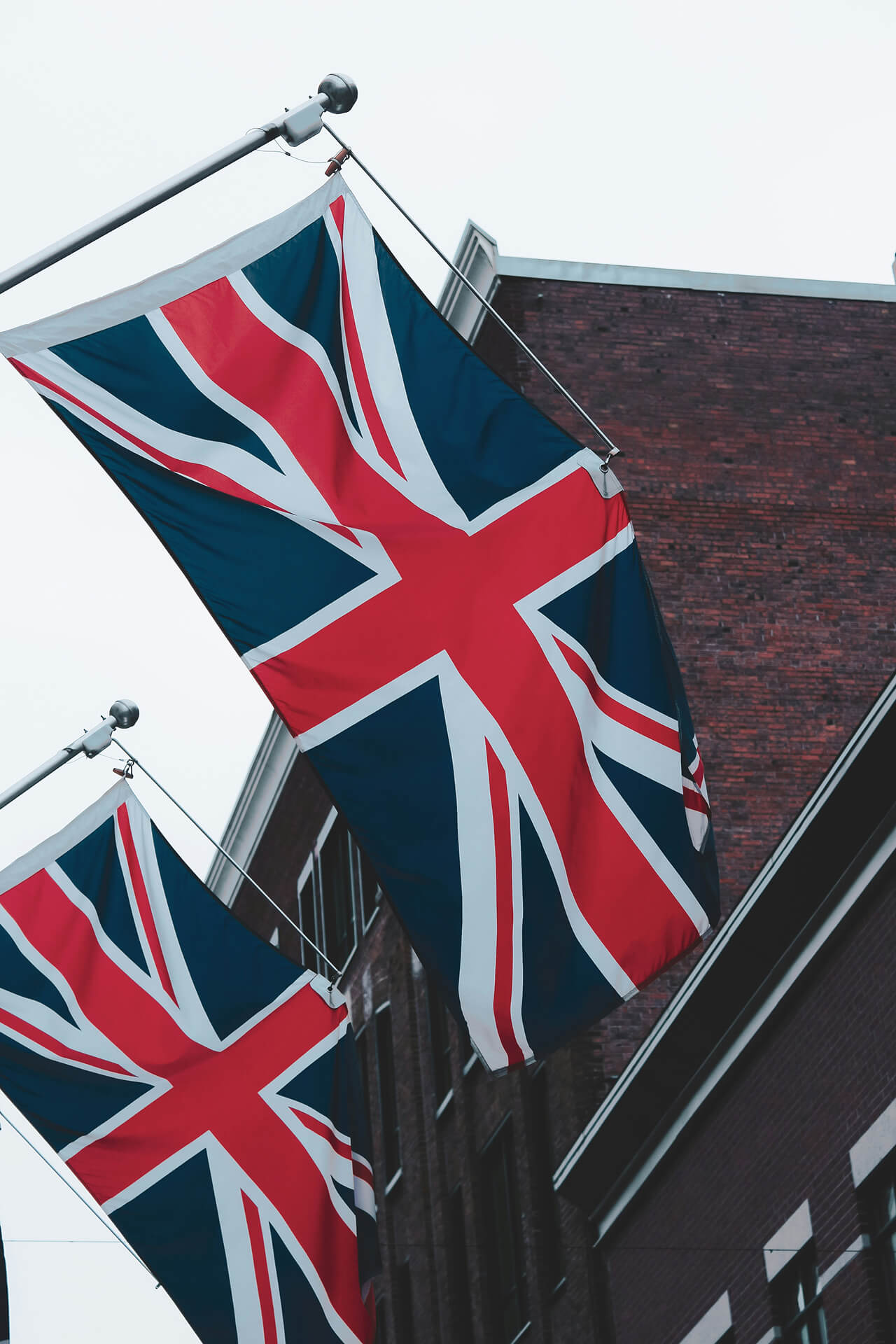
Across the pond, UK companies have been watching these developments with a mixture of curiosity and caution. British firms often look to their US counterparts for trends, although with DEI, the response has been more measured. Legal frameworks like the 2010 Equality Act mean that many UK organizations already have robust structures in place to promote inclusivity. However, the potential for US shareholders to exert their influence over a British subsidiary is another headache to manage. There are many UK firms with American links striving to balance their DEI principles against the views of sceptical shareholders. If riding two horses at once is no longer a viable option, then redoubling equality initiatives is the all or nothing. Vodafone’s Reconnect programme and Aviva’s commitment to diverse leadership are examples of how UK businesses are using the equality space to innovate. Their strategy is to frame DEI as a differentiator in the global market, echoing the view of Dame Sharon White, the former Chair of John Lewis: “Diversity is not a distraction from performance – it is a driver of it.”
The Road Ahead: Building a Stronger DEI Future
“If DEI is on life support, its survival depends not on slogans, but on conviction. The choice for business is clear: retreat into division, or embrace inclusivity as a source of resilience and renewal.”
For DEI to thrive, businesses must move beyond performative gestures and embrace meaningful change. That means:
- Leadership: Executives who champion DEI as a core priority.
- Engagement: Spaces where employees feel heard, supported, and valued.
- Recruitment: Casting wider nets for talent beyond traditional pipelines.
- Technology: Tools that anonymize applications and track DEI metrics to reduce bias.
Why DEI Still Matters
Despite the criticisms, the case for DEI remains strong. Decades of organizational research demonstrate that teams with diverse backgrounds and perspectives consistently outperform those that are less diverse, especially in the areas of problem solving and creativity. The bottom line is that inclusivity fosters belonging and businesses that reflect the diversity of their customers are better positioned to meet their needs.

DEI isn’t just good for business – it’s about treating people with fairness and respect. Inclusive workplaces don’t just benefit employees; they strengthen society by giving everyone the opportunity to succeed.
Reflections at the Crossroads
Despite being savaged in some parts of the media as “woke ideology,” DEI appears to be holding up better in the UK than in the United States. As someone who benefited from a DEI initiative, I can testify to their transformative power. Thanks to that programme, my colleagues and I were able to build our careers in an industry where diversity wasn’t always prioritised. DEI is facing significant challenges that cannot be addressed with complacency. The crossroads on which it stands is real – and so is the opportunity to build workplaces that are not only diverse, but resilient, innovative, and future ready.