When planning a professional event in the UK, one of the most common areas of confusion is understanding the difference between a conference moderator and an event host. While both roles involve communication, audience engagement, and on-stage presence, their responsibilities, focus, and impact on the event are quite different.
Choosing the right role is not simply a matter of preference – it directly affects how your event is structured, how discussions are managed, and how your audience experiences the programme. A well-chosen host or moderator can bring clarity, structure, and professionalism, while the wrong choice can lead to disorganization or lack of engagement.
In this guide, we will explore the roles in detail, explain their key differences, and help you decide which is most suitable for your event in the UK.
1. What is an Event Host?
An event host in the UK is responsible for overseeing the entire event and ensuring that everything runs smoothly from start to finish. They act as the central figure who connects all elements of the programme and maintains continuity throughout the event.
The role of an event host goes beyond basic introductions. They are responsible for welcoming guests, setting the tone, introducing speakers, managing transitions, and keeping the event aligned with the schedule. A skilled professional event host UK ensures that the audience remains engaged and that the event flows naturally without awkward pauses or confusion.
In corporate environments, an event host also plays a branding role. Their communication style, tone, and presentation reflect the organisation’s image. This is why many businesses invest in experienced corporate event host UK professionals who can deliver a polished and professional performance.
2. What is a Conference Moderator?
A conference moderator UK has a more focused and specialised role compared to an event host. Instead of managing the entire event, they are responsible for guiding specific discussions, usually within panel sessions or Q&A segments.
Moderators ensure that conversations remain structured, relevant, and engaging. They introduce topics, ask insightful questions, and encourage balanced participation among speakers. An experienced event moderator UK ensures that no single speaker dominates the discussion and that all viewpoints are represented.
In addition to managing speakers, moderators often engage directly with the audience by facilitating questions and encouraging interaction. This makes their role particularly important in knowledge-sharing environments such as conferences, forums, and industry discussions.
3. Key Differences Between Event Host and Conference Moderator
Although both roles involve public speaking and audience interaction, their responsibilities and focus areas differ significantly.
Event Host Responsibilities:
- Manages the overall structure and flow of the event
- Introduces speakers and sessions
- Maintains audience engagement throughout the programme
- Ensures smooth transitions between segments
- Represents the brand or organisation
Conference Moderator Responsibilities:
- Focuses on specific sessions or panel discussions
- Guides conversations and keeps them on topic
- Asks questions and facilitates discussion
- Ensures balanced participation among speakers
- Encourages audience interaction during sessions
In simple terms, the event host manages the event as a whole, while the moderator manages the conversation within specific sessions.
4. When Should You Hire an Event Host?
Hiring an event host UK is essential when your event requires strong structure, consistent delivery, and continuous audience engagement from beginning to end.
You should consider an event host for:
- Corporate conferences and seminars
- Awards ceremonies and formal events
- Product launches and brand events
- Networking events and business gatherings
- Large-scale or multi-session programmes
An event host ensures that the entire programme feels cohesive, organised, and professionally delivered, which is especially important for corporate and high-profile events.
5. When Should You Hire a Conference Moderator?
A conference moderator UK is most valuable when your event includes discussions, panels, or interactive sessions that require guidance and structure.
You should consider a moderator for:
- Panel discussions and expert forums
- Industry conferences and summits
- Roundtable discussions
- Q&A sessions
- Thought leadership events
A moderator ensures that discussions remain insightful, balanced, and relevant, helping deliver meaningful value to the audience.
Also, learn more about the How to Be a Good Event Moderator
6. Can One Professional Handle Both Roles?
In some situations, particularly smaller events, one experienced professional can perform both the role of an event host and conference moderator UK. This approach can be efficient and cost-effective when the event structure is relatively simple.
However, for larger or more complex events, it is often beneficial to separate the roles. This allows the host to focus on managing the overall event, while the moderator concentrates on facilitating discussions. Dividing responsibilities ensures better focus, improved quality, and a more polished experience.
7. Skills Required for Event Hosts vs Moderators
Although both roles require strong communication skills, the specific abilities needed for each role differ.
Event Host Skills:
- Confident public speaking and presentation
- Strong time management and organisation
- Ability to engage and energise audiences
- Professional appearance and delivery
Conference Moderator Skills:
- Active listening and critical thinking
- Ability to ask insightful and relevant questions
- Strong discussion management skills
- Neutral and balanced facilitation
Understanding these skill differences helps ensure you hire the right professional for your event needs.
8. Common Mistakes When Choosing Between the Two
Many event organisers make avoidable mistakes when selecting between an event host and a moderator.
Common mistakes include:
- Assuming both roles are interchangeable
- Hiring a host without moderation experience for panel sessions
- Using a moderator to manage the entire event
- Not clearly defining responsibilities
- Overloading one person in complex events
Avoiding these mistakes helps ensure your event runs smoothly and achieves its objectives.
9. Why Experience Matters in Both Roles
Experience is one of the most important factors when choosing an event host or moderator. Professionals with real-world experience are better equipped to handle live situations, manage audiences, and maintain professionalism under pressure.
An experienced host or moderator understands how to read the room, adjust communication style, and maintain audience engagement throughout the event. They also bring confidence, structure, and reliability, which are essential for delivering a successful event.
10. Why Consider Hiring a Professional Like Juliette Foster
When planning a conference or corporate event in the UK, working with a professional who has both broadcasting and live event experience can make a meaningful difference to the quality of delivery.
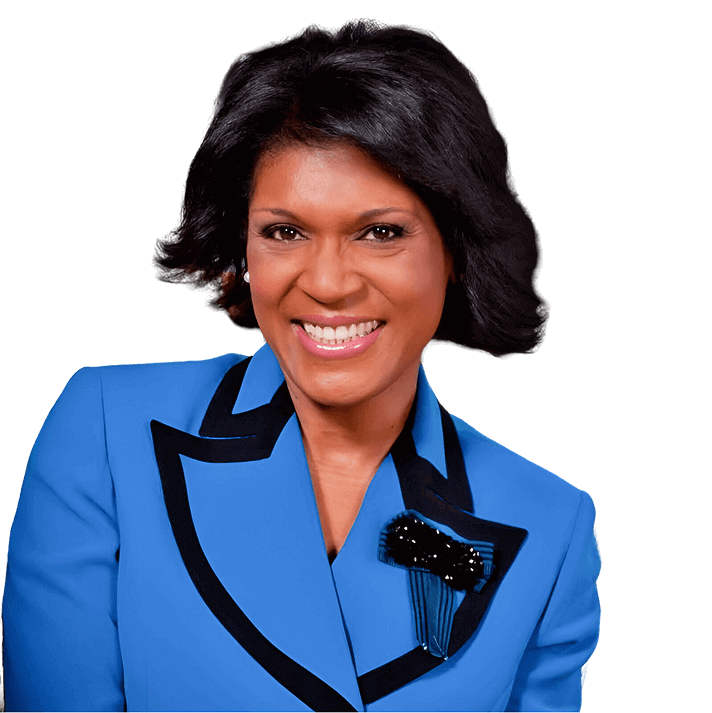
Juliette Foster is a highly experienced television presenter and conference moderator known for her clear communication, confident delivery, and professional presence. Her background in live broadcasting enables her to manage both structured event hosting and moderated discussions with ease.
What Sets Her Apart:
- Strong broadcast-level communication and presentation skills
- Ability to engage diverse audiences across corporate environments
- Extensive experience in conferences, panel discussions, and live events
- Skilled in moderating conversations and managing event flow
- Comfortable across in-person, virtual, and hybrid formats
Working with a recognised professional like Juliette Foster ensures your event is delivered with clarity, structure, and a high level of professionalism, creating a more engaging and impactful experience for your audience.
11. Conclusion
Understanding the difference between a conference moderator and event host is essential for planning a successful event in the UK. While the event host ensures the overall structure and flow of the programme, the moderator focuses on guiding discussions and creating meaningful interactions.
Selecting the right role—or combining both—depends on your event format, size, and objectives. By choosing experienced professionals and clearly defining responsibilities, you can ensure your event is well-organised, engaging, and professionally delivered from start to finish.
FAQs – Conference Moderator vs Event Host
1. What is the main difference between an event host and a moderator?
An event host manages the overall event flow, while a moderator focuses on guiding discussions and panel sessions.
2. Do I need both a host and a moderator?
Large or complex events often benefit from both roles, while smaller events may only require one professional.
3. Can an event host also act as a moderator?
Yes, if they have relevant experience in managing discussions and facilitating panels effectively.
4. What skills does a conference moderator need?
A moderator requires strong listening skills, questioning techniques, and the ability to manage balanced discussions.
5. What type of events need an event host?
Corporate conferences, awards ceremonies, and product launches typically require a professional event host.
6. Is a moderator necessary for panel discussions?
Yes, a moderator ensures discussions remain structured, relevant, and engaging for the audience.
7. How early should I hire a host or moderator?
It is recommended to book several weeks or months in advance to secure experienced professionals.
8. Can one person handle both roles in large events?
It is possible but not always ideal. Larger events usually benefit from separate roles for better focus.
9. Why is professional experience important?
Experienced professionals can handle live situations, engage audiences effectively, and ensure smooth event delivery.
10. What happens if you don’t hire the right role?
The event may lack structure, discussions may become unclear, and overall audience engagement may suffer.