Corporate events, leadership summits, and international conferences often feature panel discussions where experts share ideas and insights. However, without the right person guiding the conversation, these sessions can easily become disorganised, repetitive, or unengaging.
This is where a skilled event moderator becomes essential.
A good moderator ensures that discussions remain focused, balanced, and valuable for both the audience and the speakers. From managing time to encouraging meaningful dialogue, the moderator plays a critical role in the success of any event.
In this guide, we explore how to be a good event moderator, the key skills required, and the professional techniques used by experienced moderators at corporate and global conferences.
1. What Does an Event Moderator Do?
An event moderator is responsible for guiding discussions, managing speakers, and ensuring the audience receives clear and engaging insights from the panel.
At conferences and corporate events, the moderator acts as the bridge between the speakers and the audience.
Key responsibilities include:
- Introducing speakers and the topic
- Managing the flow of conversation
- Asking insightful questions
- Encouraging balanced participation
- Keeping the session on schedule
- Engaging with audience questions
A skilled conference moderator does much more than simply introduce speakers. They shape the conversation, highlight key insights, and create a professional and engaging atmosphere for everyone involved.
2. Essential Skills of a Good Event Moderator
Becoming a successful panel discussion moderator requires a combination of communication skills, preparation, and the ability to manage conversations effectively.
Below are some of the most important skills every moderator should develop.
1. Strong Communication Skills
Clear communication is the foundation of effective event moderation.
A moderator must be able to:
- Ask concise questions
- Summarise complex ideas
- Guide discussions smoothly
- Maintain clarity for the audience
Strong verbal communication ensures the conversation flows naturally and keeps the audience engaged throughout the session.
2. Excellent Preparation
Preparation is one of the biggest differences between an average moderator and a great one.
Before the event, a professional event moderator should:
- Research the topic thoroughly
- Learn about the speakers
- Prepare thoughtful questions
- Understand the audience profile
- Coordinate with event organisers
Preparation allows moderators to lead conversations confidently and respond effectively if discussions move in unexpected directions.
3. Time Management
Panel discussions often have strict schedules, making time management a critical moderation skill.
A good corporate event moderator ensures that:
- Every speaker has the opportunity to contribute
- Key questions are addressed
- Audience interaction is included
- The session finishes on time
Balancing time while maintaining meaningful discussion is a hallmark of experienced moderators
4. Ability to Guide Conversations
Panel discussions can sometimes drift away from the main topic.
A skilled conference moderator knows how to gently redirect speakers back to the core subject without interrupting the natural flow of conversation.
This involves:
- Listening actively
- Identifying key insights
- Steering discussion back on track
- Encouraging diverse perspectives
This ability keeps the session focused and valuable for the audience.
5. Engaging the Audience
One of the most important responsibilities of an event moderator is ensuring the audience feels involved in the discussion.
This can include:
- Asking audience questions
- Running live polls
- Encouraging audience participation
- Addressing audience concerns
An engaged audience creates a dynamic atmosphere and makes the event more memorable.
Also, learn more about the How a Professional Moderator Can Transform Your Corporate Event
3. How to Moderate a Panel Discussion Successfully
If you are moderating a panel for the first time, following a structured approach can help ensure success.
Step 1: Introduce the Topic Clearly
Start the session by explaining:
- The purpose of the discussion
- The importance of the topic
- What the audience can expect to learn
This sets the tone and provides context for the conversation.

Step 2: Introduce the Speakers
Provide short and relevant introductions for each panellist.
A good introduction should include:
- Their professional background
- Relevant expertise
- Their role in the discussion topic
This builds credibility and helps the audience understand each speaker’s perspective.

Step 3: Ask Thought-Provoking Questions
Rather than simple yes-or-no questions, moderators should ask questions that encourage discussion.
Examples include:
- “What is the biggest challenge facing this industry today?”
- “How do you see this issue evolving in the next five years?”
- “What lessons can organisations learn from your experience?”
Thoughtful questions create deeper and more meaningful discussions.

Step 4: Encourage Balanced Participation
Sometimes one speaker may dominate the conversation.
A skilled panel discussion moderator ensures that all speakers have the opportunity to contribute by:
- Inviting quieter speakers to share their perspective
- Managing dominant speakers politely
- Maintaining balance across the panel
This creates a richer and more diverse discussion.

Step 5: Close the Discussion Effectively
A good moderator finishes the session by summarising the key insights.
This may include:
- Highlighting the main takeaways
- Thanking the speakers
- Encouraging the audience to continue the conversation after the event
A strong closing ensures the audience leaves with clear and valuable insights.
4. Common Mistakes Event Moderators Should Avoid
Even experienced moderators can make mistakes if they are not careful.
Some of the most common errors include:
- Talking too much instead of guiding the discussion
- Asking overly complicated questions
- Allowing one speaker to dominate the panel
- Failing to engage the audience
- Poor time management
Avoiding these mistakes helps moderators maintain professionalism and keep discussions productive.
5. Why Professional Event Moderation Matters
For high-profile conferences and corporate events, the quality of moderation can significantly influence the success of the event.
A professional conference moderator brings:
- Experience handling complex discussions
- Confidence managing senior leaders and executives
- Strong communication and interviewing skills
- The ability to engage both speakers and audiences
This ensures discussions remain insightful, balanced, and engaging.
Experienced moderators can transform a panel session into one of the most valuable parts of an event.
6. Work with an Experienced Event Moderator
Organisations hosting conferences, leadership summits, or corporate discussions often choose an experienced professional moderator to ensure their event runs smoothly.
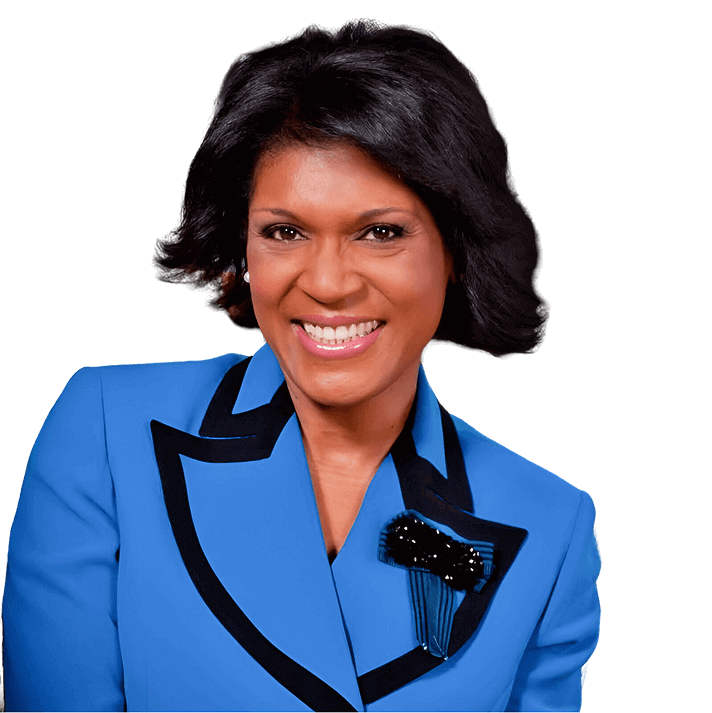
Experienced broadcasters such as Juliette Foster bring decades of experience in journalism, broadcasting, and international event moderation.
With extensive experience moderating discussions across global conferences, corporate events, and leadership forums, she helps organisations:
- Guide complex discussions
- Engage diverse audiences
- Keep conversations insightful and balanced
- Ensure events deliver real value for attendees
Working with a skilled conference moderator can elevate the quality of your event and ensure that every discussion is both professional and impactful.
Conclusion
Being a successful event moderator requires preparation, communication skills, and the ability to guide conversations effectively. A skilled moderator ensures panel discussions remain structured, insightful, and engaging for the audience.
Whether you are hosting a small business panel or a large international conference, the role of the moderator is crucial in shaping the conversation and delivering valuable insights.
With the right approach and experience, an event moderator can transform a simple panel discussion into a powerful and memorable event experience.