Broadcasting is one of the most exciting and influential careers in the media industry. Broadcasters play a vital role in delivering news, hosting programmes, and communicating stories to audiences through television, radio, and digital platforms.
Many aspiring media professionals often ask how to become a broadcaster and what it takes to succeed in this competitive field. While the role may appear straightforward, building a successful broadcasting career requires a combination of communication skills, practical experience, and industry knowledge.
In this guide, we explore what a broadcaster does, the skills required, and the step-by-step process to start and grow a career in broadcasting.
1. What Does a Broadcaster Do?
A broadcaster is responsible for presenting information, entertainment, or discussions to an audience through various media channels.
Broadcasters may work in:
- Television presenting
- Radio hosting
- News reporting
- Podcasting and digital media
- Corporate and online video content
Their role often involves speaking on air, interviewing guests, presenting programmes, and ensuring content is engaging and informative.
2. Skills Required to Become a Broadcaster
To succeed in broadcasting, individuals must develop a strong set of professional skills.
1. Strong Communication Skills
Broadcasters must communicate clearly and confidently to connect with their audience. This includes speaking naturally, explaining ideas effectively, and maintaining a professional tone. Strong communication is essential across both live and recorded formats.
2. Confidence and On-Air Presence
A successful broadcaster needs to feel comfortable in front of a camera or microphone. Confidence helps presenters deliver content smoothly and handle live situations. A strong presence also keeps audiences engaged.
3. Research and Preparation
Behind every broadcast is careful preparation and research. Broadcasters must understand their topic, prepare questions, and organise content before going on air. This ensures accurate and meaningful communication.
4. Interviewing Skills
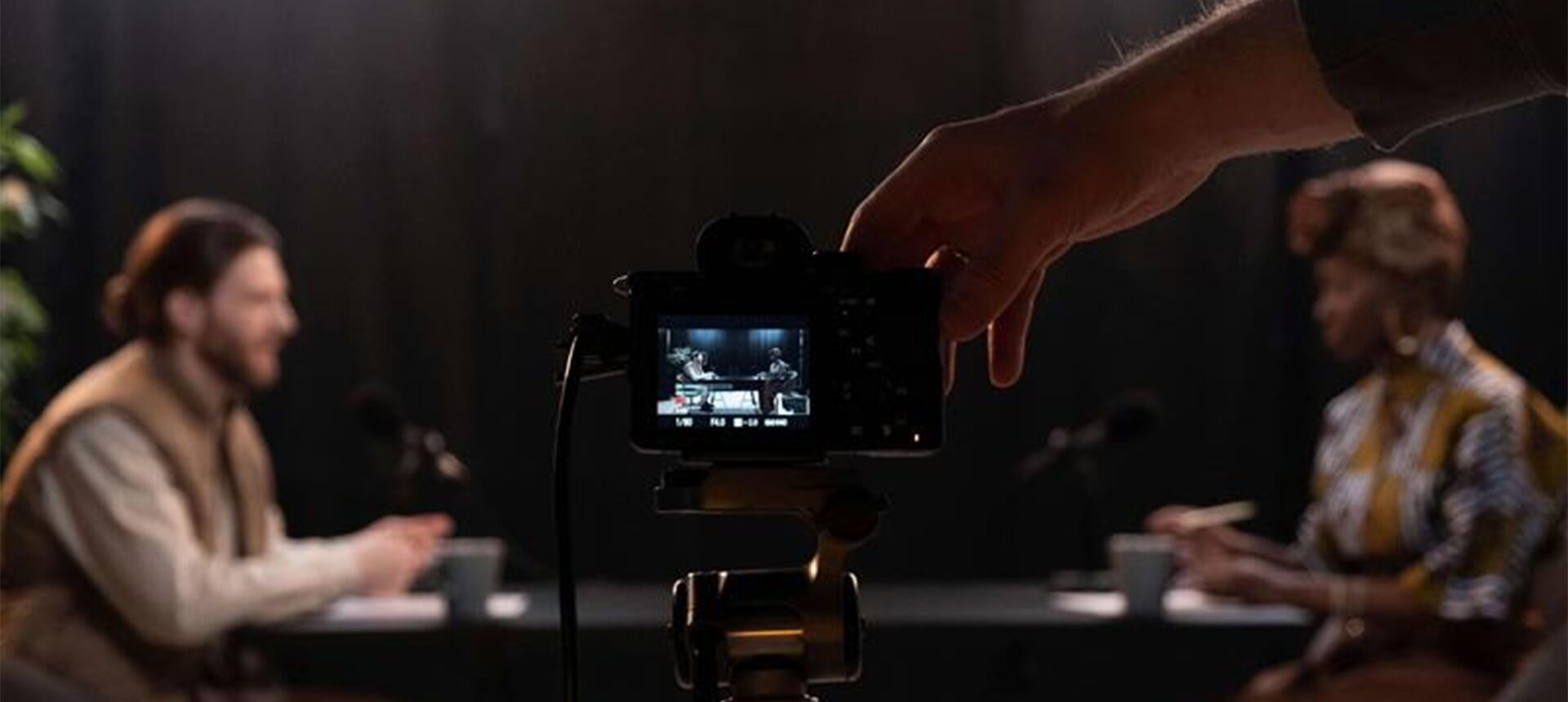
Many broadcasters interview guests, experts, or public figures. They must ask relevant questions, listen carefully, and guide conversations effectively. Good interviewing skills create engaging and informative discussions.
5. Adaptability
Broadcasting can be unpredictable, especially during live programmes. Broadcasters must think quickly and adjust to changes or unexpected situations. Adaptability helps maintain professionalism under pressure.
Also, learn more about the 5 Key Benefits of Hiring a Professional Broadcaster for Your Event UK
3. Steps to Become a Broadcaster
If you are interested in learning how to become a broadcaster, the following steps can help you start your journey.
1. Develop Your Communication Skills
The first step is to improve your speaking and presentation abilities.
You can practise by:
- Recording yourself speaking
- Reading news articles aloud
- Practising storytelling and commentary
- Watching and analysing professional broadcasters
This helps you become more confident and articulate.
2. Study Media or Broadcasting
Although not always required, studying media-related subjects can provide a strong foundation.
Relevant areas include:
- Journalism
- Media and communication
- Broadcasting
- Public speaking
These courses help you understand how the media industry operates.
3. Gain Practical Experience
Experience is essential in broadcasting.
You can build experience by:
- Working with local or community radio stations
- Creating your own podcast or YouTube content
- Participating in university media projects
- Interning with media organisations
Practical experience helps you understand how broadcasting works in real environments.
4. Create a Showreel
A showreel is a short video or audio recording that showcases your presenting skills.
It should include:
- Introduction clips
- Sample presenting segments
- Interview examples
- Commentary or narration
A strong showreel is essential when applying for broadcasting roles.
5. Apply for Opportunities
Once you have developed your skills and built a portfolio, you can start applying for roles.
Entry-level opportunities may include:
- Assistant roles at media companies
- Internships in broadcasting
- Local radio or TV presenting
- Online media platforms
These roles help you gain industry exposure and build connections.
4. Types of Broadcasting Careers
Broadcasting offers a variety of career paths depending on your interests.
- Television Presenter
Hosts programmes, interviews guests, and presents visual content.
- Radio Broadcaster
Engages audiences through audio programmes, music shows, or talk radio.
- News Presenter
Delivers news updates and conducts interviews on current events.
- Podcast Host
Creates and hosts digital audio content on specific topics.
5. Corporate Broadcaster
Presents content for businesses, including training videos and corporate communications.
5. Challenges in a Broadcasting Career
While broadcasting can be rewarding, it also presents challenges.
These may include:
- High competition for roles
- Irregular working hours
- Pressure of live broadcasting
- Constant need to improve skills
However, dedication and consistent effort can lead to long-term success in the industry.
6. Learning from Experienced Broadcasters
Aspiring broadcasters can benefit greatly from observing experienced professionals in the industry.
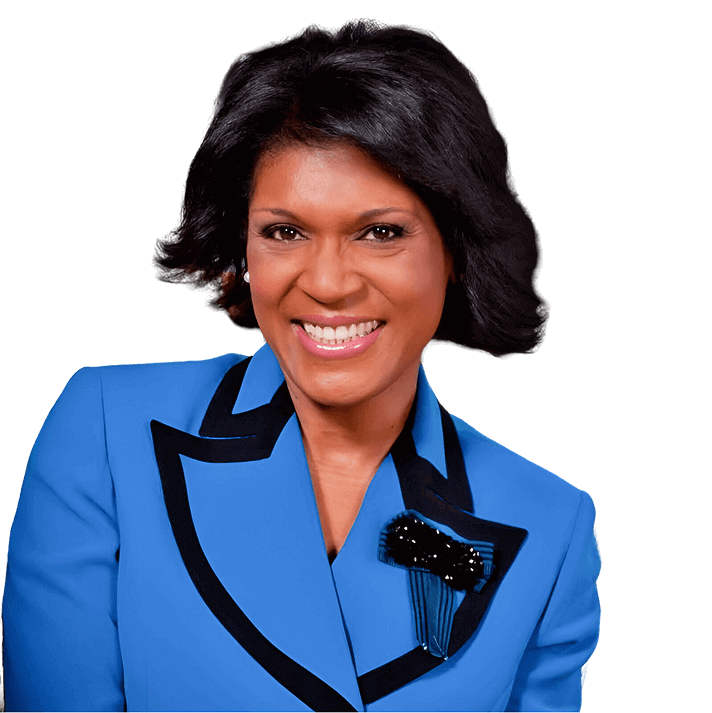
Broadcasters such as Juliette Foster demonstrate how strong communication, preparation, and journalistic expertise contribute to a successful career in media.
With extensive experience across television, radio, and international events, professional broadcasters bring a deep understanding of storytelling, audience engagement, and effective communication.
For organisations, working with experienced broadcasters ensures high-quality content and professional presentation.
Conclusion
Understanding how to become a broadcaster involves developing communication skills, gaining practical experience, and building a strong portfolio.
Broadcasting offers a wide range of opportunities across television, radio, and digital media, making it an exciting career choice for those passionate about communication and storytelling.
With dedication, continuous learning, and real-world experience, aspiring broadcasters can build successful and rewarding careers in the media industry.