Radio remains one of the most influential and engaging forms of media. Whether broadcasting music, news, interviews, or discussions, radio presenters play an important role in informing and entertaining audiences.
How to become a radio presenter is a question often asked by people interested in media careers. While the job may appear simple, successful radio presenters develop a combination of communication skills, broadcasting knowledge, and on-air confidence.
In this guide, we explore the steps required to build a career in radio broadcasting, the skills every presenter should develop, and how aspiring broadcasters can gain experience in the industry.
1. What Does a Radio Presenter Do?
A radio presenter is responsible for hosting radio programmes and communicating with listeners through live or recorded broadcasts.
Depending on the type of programme, a radio presenter may:
- Introduce music tracks
- Discuss news or current affairs
- Interview guests and experts
- Host talk shows or discussions
- Read advertisements and announcements
- Engage with listeners through calls or messages
Radio presenters are often the voice that connects the audience with the station’s content, making their role central to the overall success of a broadcast programme.
2. Skills Required to Become a Radio Presenter
Becoming a successful radio presenter requires more than simply speaking into a microphone. Professional broadcasters develop several key skills to communicate effectively with listeners.
1. Strong Communication Skills
Clear and engaging communication is the most important skill for a radio presenter.
A presenter must be able to:
- Speak clearly and confidently
- Maintain a natural conversational tone
- Explain information in an engaging way
- Connect with listeners through voice alone
Unlike television, radio relies entirely on voice, so strong communication skills are essential.
2. Confidence and Personality
Listeners often tune in because they enjoy the personality of the presenter.
A good radio host should:
- Be comfortable speaking live on air
- Demonstrate enthusiasm and authenticity
- Maintain a confident and friendly presence
Personality is often what makes a presenter memorable and helps build a loyal audience.
3. Interviewing Skills
Many radio programmes involve interviews with guests, experts, or public figures.
Effective radio presenters must know how to:
- Ask interesting and relevant questions
- Listen carefully to responses
- Guide conversations smoothly
- Encourage engaging discussions
Interviewing skills are particularly important for talk radio and current affairs programmes.
4. Preparation and Research
Behind every successful radio broadcast is careful preparation.
Radio presenters often spend time researching topics, preparing questions, and planning the structure of their programme before going live.
Preparation helps presenters:
- Deliver accurate information
- Ask meaningful questions
- Maintain a structured programme
Also, learn more about How Radio Hosting Services Are Evolving with Technology in 2026
3. Steps to Become a Radio Presenter
If you are interested in a career in radio broadcasting, the following steps can help you get started.
1. Develop Your Speaking Skills
The first step in learning how to become a radio presenter is developing strong vocal and communication skills.
You can practise by:
- Recording yourself speaking
- Reading scripts aloud
- Practising storytelling and commentary
- Listening to experienced radio presenters
Regular practice helps you develop confidence and clarity.
2. Study Broadcasting or Media
Although formal education is not always required, many radio presenters study subjects related to media and broadcasting.
Relevant courses may include:
- Journalism
- Media studies
- Broadcasting and communication
- Radio production
These courses help students understand the technical and editorial aspects of radio.
3. Gain Practical Experience
Experience is one of the most important factors in building a career in radio.
You can gain experience by:
- Volunteering at community radio stations
- Hosting podcasts or online shows
- Working with university radio stations
- Participating in broadcasting projects
Practical experience allows aspiring presenters to learn how radio programmes are produced and delivered.
4. Build a Demo Reel
A demo reel is a recording that showcases your presenting style and broadcasting ability.
Your demo reel should include:
- A short introduction
- Sample commentary
- Interview segments
- Music show or talk show examples
This recording is essential when applying for radio opportunities.
5. Apply for Radio Opportunities
Once you have experience and a demo reel, you can begin applying for radio positions.
Common entry points include:
- Community radio stations
- Internships at broadcasting companies
- Assistant roles at radio stations
- Online radio platforms
These opportunities help you build professional experience and develop industry connections.
4. Types of Radio Presenter Roles
The radio industry offers a variety of presenter roles depending on the type of programme.
- Music Radio Presenter
Hosts music shows and introduces songs, artists, and entertainment news.
- Talk Show Host
Leads discussions on topics such as politics, business, or lifestyle.
- News Presenter
Presents news updates, interviews experts, and discusses current events.
- Sports Radio Presenter
Covers sporting events, interviews athletes, and provides commentary.
- Podcast Host
Hosts digital audio programmes that may focus on specific interests or topics.
Each role requires slightly different skills but shares the same foundation of strong communication and audience engagement.
5. Challenges of a Career in Radio
While radio broadcasting can be rewarding, it also comes with challenges.
These may include:
- Competitive job opportunities
- Irregular working hours
- Live broadcasting pressure
- Continuous audience engagement
However, those who develop strong broadcasting skills and build experience can find exciting opportunities in the media industry.
6. Learning from Experienced Broadcasters
Aspiring radio presenters often learn valuable lessons from experienced professionals who have built successful broadcasting careers.
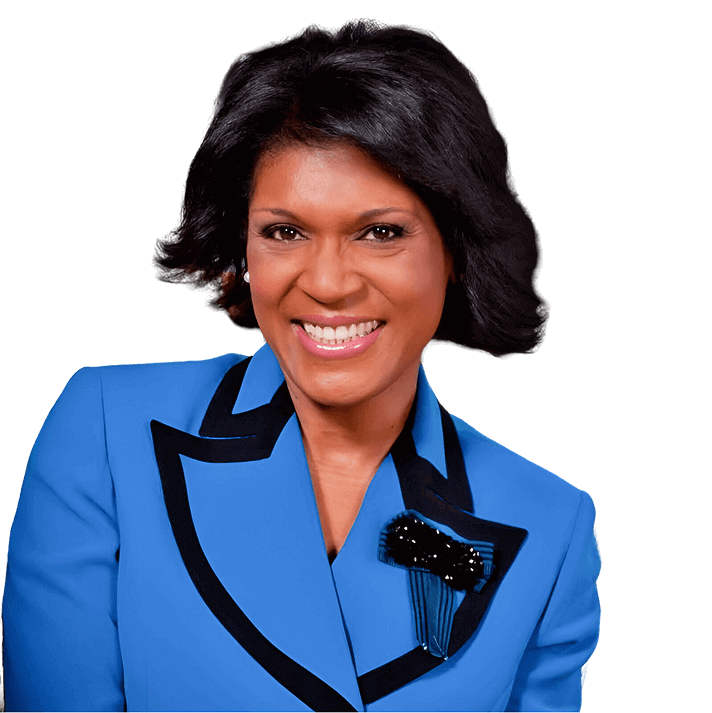
Broadcasters such as Juliette Foster have demonstrated how strong communication, preparation, and journalistic expertise can shape a successful career in radio and television.
With decades of experience in journalism and broadcasting, professional presenters bring a deep understanding of storytelling, interviewing, and audience engagement.
For organisations and media platforms, working with experienced presenters ensures high-quality broadcasting and engaging communication.
Conclusion
Understanding how to become a radio presenter involves developing communication skills, gaining practical experience, and learning the fundamentals of broadcasting.
Radio presenters play an important role in connecting with audiences, delivering information, and creating engaging audio content.
With dedication, practice, and industry experience, aspiring broadcasters can build rewarding careers in radio and media.