Voice over work is an exciting and growing area in the media and creative industries. From television advertisements and documentaries to corporate videos, podcasts, and online content, voice over artists play a key role in bringing stories and messages to life.
Many people interested in broadcasting or media often ask how to become a voice over artist in the UK. While the profession may seem straightforward, building a successful voice over career requires training, preparation, and a clear understanding of the industry.
In this guide, we explore the essential steps to becoming a professional voice over artist, the skills required, and how to start building a voice over career in the UK.
1. What Does a Voice Over Artist Do?
A voice over artist provides recorded narration or spoken content for various forms of media. Unlike on-screen presenters, voice over professionals communicate through their voice alone, delivering scripts that inform, entertain, or promote products and services.
Voice over work can include:
- Television and radio commercials
- Corporate videos and training materials
- Documentary narration
- Audiobooks
- Podcast introductions
- E-learning courses
- Explainer videos
- Event announcements
In the UK media industry, voice over artists are widely used across broadcasting, advertising, and digital media platforms.
2. Skills Required to Become a Voice Over Artist
Becoming a successful voice over artist in the UK requires more than just having a pleasant voice. Professional voice artists develop a range of skills that allow them to deliver scripts effectively and adapt to different styles of communication.
1. Clear and Expressive Voice
A voice over artist must be able to communicate clearly and confidently.
Important vocal qualities include:
- Clear pronunciation
- Strong diction
- Controlled pacing
- Natural tone
- Ability to express emotion through voice
Your voice should sound natural and engaging rather than overly scripted.
2. Strong Reading and Interpretation Skills
Voice over artists often work from scripts and must interpret the message accurately.
This involves:
- Understanding the purpose of the script
- Delivering the correct tone and emotion
- Emphasising key points
- Adapting delivery style to different audiences
These skills are particularly important in corporate voice over projects, where clarity and professionalism are essential.
3. Versatility and Adaptability
Different voice over jobs require different styles of delivery.
For example:
- Commercial advertisements may require an energetic delivery
- Corporate training videos require clear and professional narration
- Documentary voice overs require a calm and informative tone
Being able to adapt your voice to different formats greatly increases your opportunities in the voice over industry.
3. Steps to Become a Voice Over Artist in the UK
If you are interested in pursuing this career, the following steps can help you get started.
1. Develop Your Voice and Communication Skills
The first step is to practise speaking clearly and confidently.
Ways to improve your voice include:
- Reading scripts aloud regularly
- Recording and listening to your voice
- Practising pronunciation and pacing
- Studying professional voice over performances
These exercises help you become comfortable speaking into a microphone.
2. Learn the Basics of Voice Over Performance
Voice over work involves performance skills similar to acting and broadcasting.
You can improve your abilities by:
- Taking voice acting classes
- Studying media communication techniques
- Learning breathing and vocal control
Many successful voice over artists come from backgrounds in broadcasting, journalism, or acting.
3. Create a Voice Over Demo Reel
A demo reel is essential when starting a voice over career.
Your demo reel should include short samples of different styles, such as:
- Commercial advertisement voice overs
- Corporate narration
- Documentary style narration
- Promotional announcements
This recording demonstrates your voice range and helps potential clients understand your capabilities.
Also, learn more from the Essential Guide to Hiring a Professional Voiceover Artist in the UK
4. Set Up a Basic Home Recording Studio
Many voice over artists record from home studios.
A basic setup typically includes:
- A high-quality microphone
- Audio recording software
- Soundproofing materials
- Headphones for monitoring audio
Even a simple home studio can produce professional results when set up correctly.
5. Gain Experience and Build Your Portfolio
Like many creative careers, experience is essential.
You can build your portfolio by:
- Working on small commercial projects
- Recording voice overs for online videos
- Collaborating with content creators
- Participating in media or broadcasting projects
Over time, your portfolio will demonstrate your versatility as a professional voice over artist.
4. Types of Voice Over Work Available in the UK
The UK media industry offers a wide range of voice over opportunities.
Common voice over roles include:
- Commercial Voice Overs
Used for television, radio, and online advertising.
- Corporate Voice Overs
Narration for business presentations, promotional videos, and internal training.
- Documentary Narration
Voice over work for educational or factual programmes.
- E-Learning Narration
Audio used in online courses and training platforms.
- Event Announcements
Live or recorded announcements at corporate events or conferences.
Voice over artists who can adapt their delivery style across these formats tend to have more career opportunities.
5. Why Professional Voice Over Artists Are Important
Organisations often rely on experienced voice professionals to ensure their message is delivered clearly and effectively.
A professional voice over artist can:
- Communicate brand messages clearly
- Maintain audience engagement
- Deliver scripts with the appropriate tone
- Provide consistent and high-quality audio recordings
These qualities are particularly important in corporate communications and broadcast media.
6. Professional Voice Over Services
Experienced broadcasters often bring significant advantages to voice over work because of their strong communication and presentation skills.
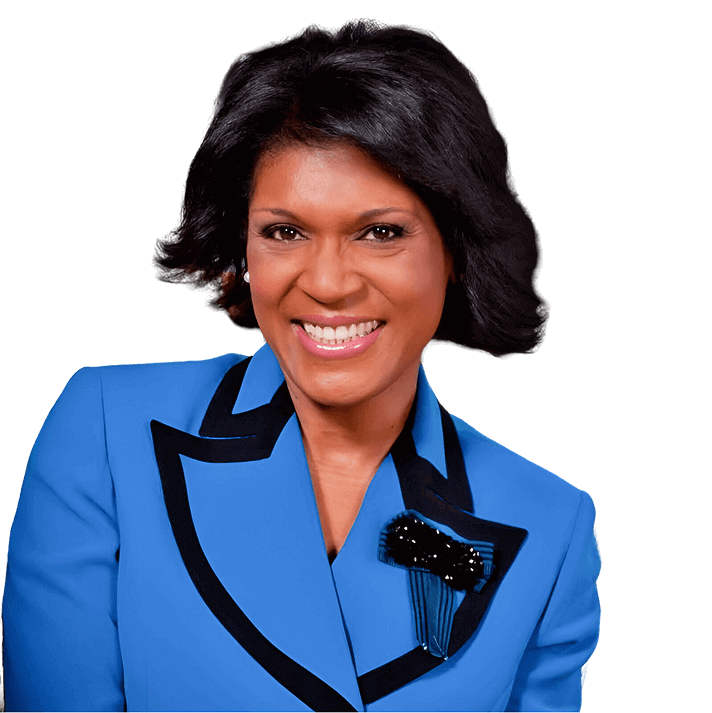
Broadcasters such as Juliette Foster combine extensive media experience with professional voice delivery, making them well suited for corporate narration, broadcast programmes, and event presentations.
With decades of experience in journalism and broadcasting, professional presenters understand how to communicate complex ideas clearly and confidently through voice.
For organisations seeking high-quality narration or broadcast-level audio, working with an experienced voice over professional can significantly enhance the impact of their content.
Conclusion
Learning how to become a voice over artist in the UK involves developing communication skills, understanding performance techniques, and building experience in the media industry.
While the career requires dedication and practice, it offers exciting opportunities across broadcasting, advertising, corporate media, and digital content creation.
With the right training, equipment, and experience, aspiring voice over artists can build rewarding careers in the UK media landscape.