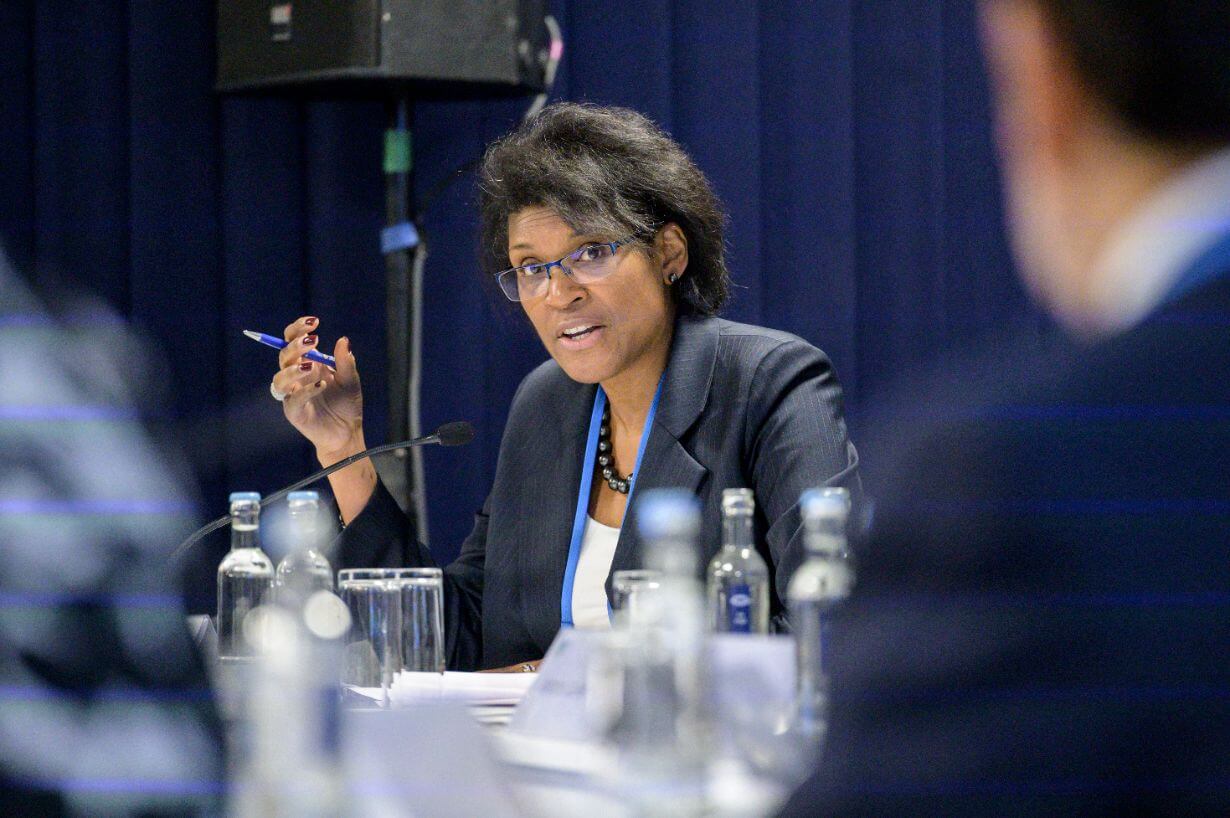
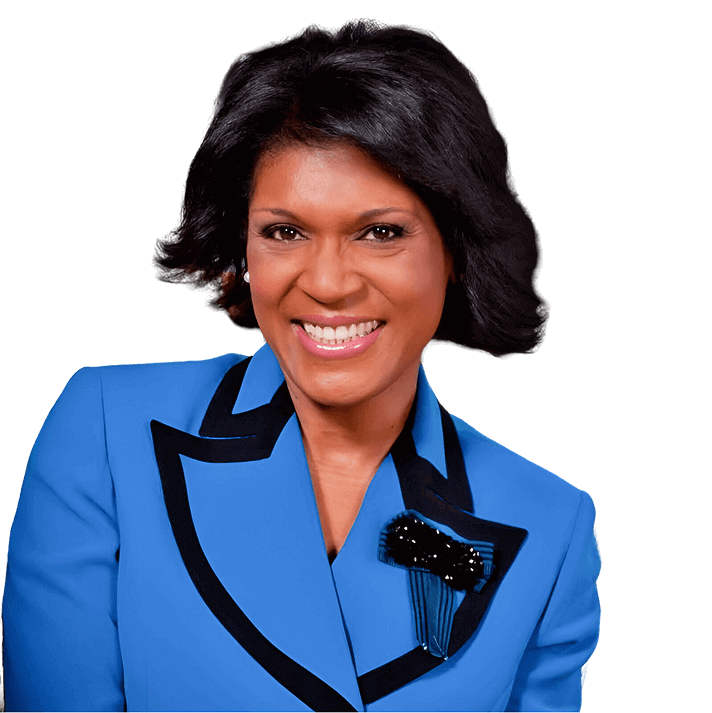
Tuesday 1st July 2025 is a day British MP Jonathan Reynolds is unlikely to forget. The morning began with a round of media interviews, followed by departmental briefings, stakeholder meetings, and a session at the House of Commons. For Mr. Reynolds – who at the time was the Business Secretary and no stranger to journalists – a live radio interview with veteran broadcaster Nick Ferrari should have been a walk in the park. The government had just launched a comprehensive review of parental leave and pay designed to give “families the best possible start”, and it was Mr. Reynolds job to explain it. What could possibly go wrong? Well…everything!
After describing the review as a “really important piece of work”, it quickly became clear he had zero grasp of the basics. When asked by Ferrari how much an individual can claim in statutory paternity pay, Mr. Reynolds said he didn’t know and even referenced his 10-year-old son – presumably the last time he’d ever used the service. From that moment, the conversation descended backwards into classic car crash interview territory. From Mr. Reynolds’ point of view the only consolation was that it was nowhere near as bad as Andrew Mountbatten Windsor’s now-infamous Newsnight appearance.
So, why did it go wrong and what lessons can be learned from his experience? Let’s start with the why.
1. He didn’t know the headline fact
Mr. Reynolds walked into a live interview about parental leave with no idea of the currentlevel of statutory paternity pay(£187.60 per week). It was the number one question any journalist would have asked and because he didn’t know the answer he came across as hesitant, defensive, ignorant, and out of his depth.
If a senior minister can’t handle a basic question, then it really is game over. The interview can only head in one direction.
2. He tried to talk around the question instead of answering it

Mr. Reynolds could have dug himself out of a hole by saying ““I’m sorry but I don’t have that figure with me”. It would have frustrated the interviewer but denied him an obvious line of attack. Instead, he padded out his response with deflections and lacklustre attempts to contextualise. All of which combined to make him look evasive, panicked, and weak. There are some things an audience will forgive but waffle isn’t one of them.
3. He personalised the answer
Referencing his son was supposed to bring a human touch to the moment by making him look relatable. If anything, it had the opposite effect. It highlighted how long it had been since Mr. Reynolds had personally engaged with the issue while making him sound unprepared. Ferrari proved his brilliance as an interviewer by going in for the kill and refusing to give an inch.
4. He lost control of the narrative
The defining interview clip was Ferrari’s incredulous statement “You don’t have a clue”, which was picked up by newspaper headline writers. When an interviewer is openly exasperated the power dynamic flips, and all the interviewee can do is hope to survive a self-inflicted ordeal.
5. He underestimated the environment
Breakfast radio is fast, unforgiving, and built for confrontation. Mr. Reynolds approached the interview as if it was a gentle policy chat. That mismatch in expectations proved fatal, although he’s not the only one to have made that mistake. Ex-prime minister Liz Truss was savaged during back-to back interviews with BBC local radio stations days after her infamous budget crashed the UK economy.
So, what should a leader do to avoid repeating these mistakes?
1. Know your numbers
If you’re fronting a policy – or even defending it – you need to know the headline figure(s); how much it costs to implement; the social and economic impact; the timeline for a policy or strategy to happen. It’s a blindingly obvious checklist but one that’s worth remembering as journalists will always ask the obvious questions to get the best response.
2. Never bluff
There’s no shame in admitting you don’t know the answer to a question. Presidents, Prime Ministers, and CEOs, carry a lot of responsibility in their working lives and it’s unreasonable to expect them to know everything. If you can’t answer a question then say so cleanly and confidently. A brief but crisp “I’ll get you the exact figure” or “I’m sorry, I can’t answer that because I don’t have the information” is less damaging than a flustered detour.
3. Anticipate the obvious questions
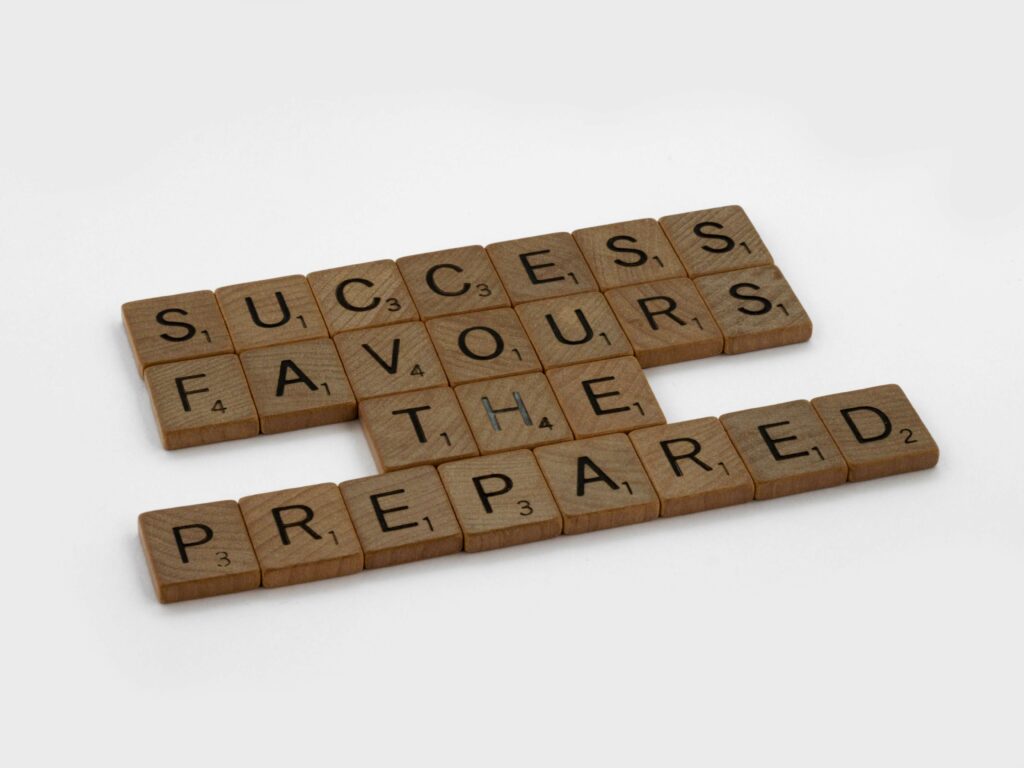
Learn from the boy scouts and “Be Prepared”. Media prep isn’t about memorising lines and trying not to sound like a parrot – it’s about pre-empting the questions you’ll be asked and can’t afford to get wrong.
It also means familiarising yourself with a programme’s “house style”. Shows like BBC TV’s Newsnight and Radio 4’s Today are known for a combative, forensic style of questioning. Regional TV and radio news programmes are relatively gentle in comparison. A well-prepared interviewee can adjust their style accordingly and push back when faced with an assertive interrogator. Ryanair boss Michael O’Leary uses humour and his knowledge of the company’s bottom line to control the tone and pace of his interviews. He’s also perfected the knack of making an audience feel he’s on their side, even when his company does something the general public disagrees with.
Labour politician and Manchester Mayor Andy Burnham, is a strong communicator and a master of the polite but firm pushback. He often reframes questions without sounding evasive, and uses moral clarity as a defence, “This is about fairness for people in my city”. His calm, dignified authority makes aggressive interviewers look overheated and – in some cases – outclassed.
What these men have in common is a knowledge of the headline facts and an ability to strategically use their personalities to disseminate a message. Take a leaf from their play book, it would be crazy not to!
4. Don’t personalise unless it strengthens your authority
Taking things personally runs the risk of losing control during an interview. When you react to a provocative question as if it’s about you rather than your role, you give the interviewer the upper hand and they’ll rightly take advantage. Always remember that personal defensiveness narrows your field of vision while authority widens it.
Strong leaders stay anchored to their brief, never rise to the bait, or waste precious energy trying to prove themselves. In August 2024 Bank of England Governor Andrew Bailey was questioned by BBC and Sky News journalists over his decision to slash interest rates for the first time in more than four years. Although the move was generally welcomed, they accused him of acting too late, and of misjudging the impact of inflation on households. Rather than being irritated, he politely pushed back with economic facts that supported his strategy while never losing eye contact with the interviewers.
The only time a response is worth personalising is if it adds something to your credibility. Using a lived experience – such as debt, homelessness, or bankruptcy – brings resonance to a personal observation, or humanises complex issues. Anything outside of that is just noise.
The rule is simple: If personalising the moment doesn’t strengthen your authority, then don’t do it.
5. Control the tone, even when the interviewer doesn’t
Holding firm keeps the interview steady; overreact and the overreaction becomes the story. Once that happens, you’re forced to reclaim ground before it slips away. It all comes down to simple discipline: set the emotional temperature and don’t let anyone else raise it for you.
6. Preparation is not optional

Even veteran ministers have been caught out when they assume that experience is a substitute for preparation. “Winging it” is never a good idea as British Prime Minister Sir Keir Starmer discovered in November 2024 when he was interviewed by BBC local radio journalists. A routine Q&A turned into a 45-minute drubbing because he visibly struggled to defend agricultural policies, rising fuel costs, and controversial cuts to Winter Fuel Payments.
Authority in an interview doesn’t come from spending years in the same job; it’s earned by the work you do before sitting down. Sometimes the leaders who perform best aren’t always the most charismatic or media‑savvy: they’re the ones who do the groundwork because they don’t want to mess up. Preparation is the quiet discipline that underpins a strong interview, and its absence is impossible to hide.
The moral of the story? If you don’t want a day like Jonathan Reynolds, then always do the legwork