Understanding the work of a journalist has never been more important in an age where information travels in nanoseconds and misinformation spreads just as quickly. While this guide focuses on journalism in the UK, the fundamental principles of the profession are universal: informing the public, scrutinising power, and upholding truth in a world that rarely pauses for breath. In the UK, journalists play a crucial role in shaping public understanding, holding institutions to account, and delivering accurate, timely reporting across a rapidly shifting media landscape. Whether they work in newspapers, television, radio, digital outlets, or independent platforms, journalists remain a cornerstone of democracy and free expression.
At its core, journalism is about researching, verifying, and presenting information in a way that is factual, balanced, and engaging. A journalist’s work goes far beyond writing articles. It involves investigation, interviewing, ethical judgement, and adapting stories for different audiences and formats. In the UK, this also means working within strict editorial standards and legal frameworks designed to protect both the public and the integrity of the reporting.
This guide explains what a journalist does in the UK today – from daily responsibilities and specialist roles to essential skills, career pathways, and the evolving challenges of the profession.
1. The Core Role of a Journalist in the UK
Understanding what a journalist does means starting with the fundamental purpose of journalism itself. At its heart, a journalist’s role is to gather accurate information and present it clearly to the public. That means reporting verified facts, breaking down complex issues, and offering the context people need to make informed decisions.
In the UK, this work often happens under intense time pressure, yet accuracy and impartiality remain non-negotiable. Journalists must verify sources, cross-check details, and ensure their reporting complies with key media laws – including defamation, contempt of court, and data protection regulations. Ethical journalism is especially vital in British media, where trust and credibility underpin every story.
Journalists also serve as a bridge between the public and those in positions of power. By reporting on politics, business, health, education, and social issues, they help maintain transparency and hold institutions to account. Their work ensures that the public stays informed, and that decision-makers remain answerable to the people they serve.
2. Key Responsibilities of a Journalist
When asking what a journalist does in the UK, the answer spans a wide range of daily and long-term responsibilities. Journalists research story ideas, monitor news developments, and identify issues that will matter to their audience. This process often begins with background research – reviewing documents, analysing data, and building a solid understanding of the topic.
Conducting interviews is another central responsibility. Journalists speak with experts, witnesses, officials, and members of the public to gather first-hand information. These interviews must be conducted fairly, accurately represented, and ethically recorded.
Once information is gathered, journalists write or produce content tailored to their platform. This may include news articles, feature stories, opinion pieces, broadcast scripts, or digital content. Editing, fact-checking, and responding to editorial feedback are also key parts of the job, ensuring that high standards of accuracy and clarity are maintained.
3. Different Types of Journalists in the UK
Journalism in the UK spans a wide range of specialised roles each contributing to the wider media ecosystem. News reporters focus on current events, covering breaking stories in politics, crime, public affairs, and beyond. Feature writers take a slower, more reflective approach, exploring topics in greater depth and producing long-form pieces on culture, lifestyle, and human-interest stories.
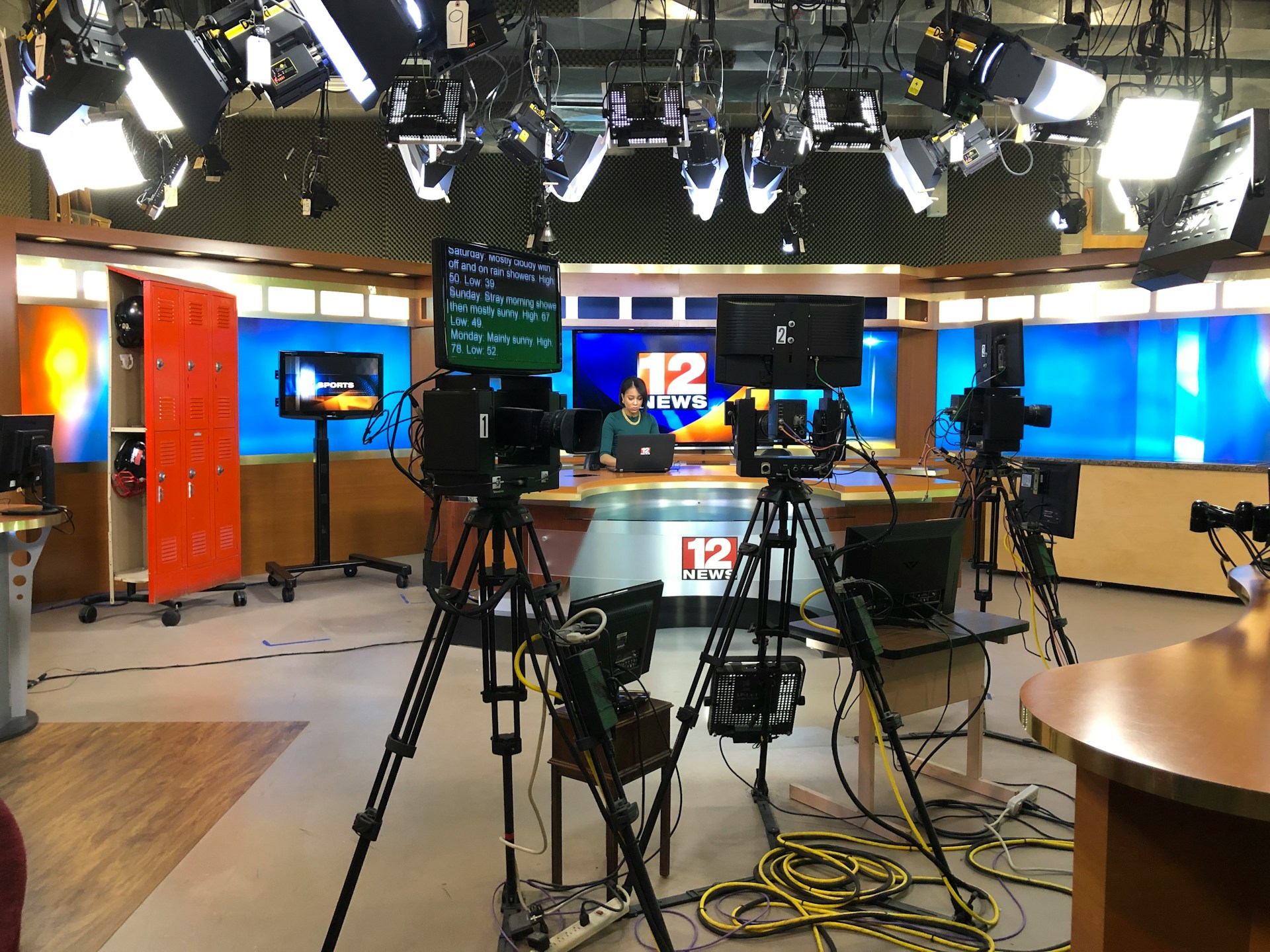
Investigative journalists play a vital and occasionally dangerous role in uncovering hidden truths, corruption, and wrongdoing. Their work can involve months of research and often carries significant public interest — and, in some cases, personal risk. Broadcast journalists work in television and radio, presenting news, conducting live interviews, and producing programmes that bring stories to life in real time.
Digital journalists specialise in online platforms, creating content optimised for websites, social media, and mobile audiences. Photojournalists and video journalists use visual storytelling to enhance written reporting, adding depth, immediacy, and emotional impact to news coverage.
4. Skills Required to Be a Journalist
Understanding what a journalist does also means recognising the skills needed to succeed in the profession. Strong writing and communication abilities are essential, as journalists must present information clearly and concisely. Attention to detail is equally critical, particularly when verifying facts and avoiding errors. Research and analytical skills help journalists interpret complex information and identify meaningful stories. Interviewing skills are just as important, enabling them to ask the right questions, build trust with sources, and uncover insights that might otherwise remain hidden.
In the UK, journalists must also understand media law and ethics. Knowledge of defamation, privacy, and copyright regulations isn’t just a formality – it protects both the journalist and the public. Defamation cases are notoriously expensive to defend, and a judgement against a journalist or publication can carry serious financial and reputational consequences. This is where some self-styled online commentators go wrong, assuming that because the internet is flooded with unverified or libellous claims, individual responsibility matters less. It doesn’t! Repeating untruths is still untruth, and treating the digital landscape like a “Wild West” is a dangerous trap when somebody’s reputation is at stake.
With the rise of digital media, technical abilities – such as using content management systems, video editing tools, and social media publishing platforms – have become increasingly valuable.
If readers want to explore related topics, they can also learn more about How to Get Media Coverage in the UK Without a PR Agency
5. A Typical Day in the Life of a UK Journalist
While the core rhythms of journalism are similar around the world, a typical day for a journalist in the UK still follows familiar patterns shaped by deadlines, editorial priorities, and the fast pace of the news cycle. Some begin by monitoring overnight developments and attending editorial meetings to plan the day’s coverage. Others may be out in the field conducting interviews, attending events, or reporting live from key locations.
Writing and editing take up a significant portion of the day, often under tight deadlines. Journalists may need to update stories as new information emerges, ensuring accuracy throughout the news cycle. Digital journalists also track audience engagement and adjust content strategies to reflect evolving reader behaviour.
Despite the pressures, journalism remains a dynamic and rewarding career – offering the opportunity to inform, educate, and influence public discourse
6. Why Journalists Matter in UK Society
The importance of journalism cannot be overstated. In the UK, as elsewhere, journalists help safeguard democracy by informing citizens and scrutinising those in power. Their work encourages transparency, exposes injustice, and gives a voice to communities that are too often overlooked.
In times of crisis or uncertainty, reliable journalism provides clarity and reassurance. By presenting verified facts and expert analysis, journalists help counter misinformation and strengthen public understanding – a role that has become increasingly vital in a crowded, fast-moving information landscape.
The trust placed in UK journalists depends on their commitment to accuracy, fairness, and ethical standards. When these principles are upheld, journalism becomes more than a profession; it becomes an essential pillar of modern society.
7. Career Path and Opportunities in Journalism
There are multiple routes into a career in journalism. For some, it begins with a university degree; for others, an apprenticeship on a local newspaper or radio station – or a trainee role within a media organisation – becomes the foundation for their future success.
Many journalists start as junior reporters or researchers, gradually developing their expertise and specialising in particular areas. With experience, they can progress to senior reporting positions, editorial roles, production jobs, or consultancy work. Freelancing is also common in the UK, offering flexibility and a wide range of opportunities across different publications and platforms.
The profession continues to evolve, with digital journalism creating new roles and career paths for those willing to adapt and develop emerging skills.
Conclusion: What Does a Journalist Do in the UK?
Journalists in the UK do more than report events – they help shape the public record of our time. Their work captures not just what happened, but how it felt, why it mattered, and how it fits into the wider story of British life.
Beyond the daily headlines, journalists act as interpreters of a fast-moving world. They sift through complexity, connect the dots, and offer clarity in moments when information is overwhelming or contradictory. In doing so, they provide the shared understanding that allows a society to function.
As the UK media landscape continues to evolve, journalists remain essential storytellers and custodians of public memory. Their role highlights not only the complexity of the profession but its enduring importance in helping people navigate an increasingly noisy and uncertain world.