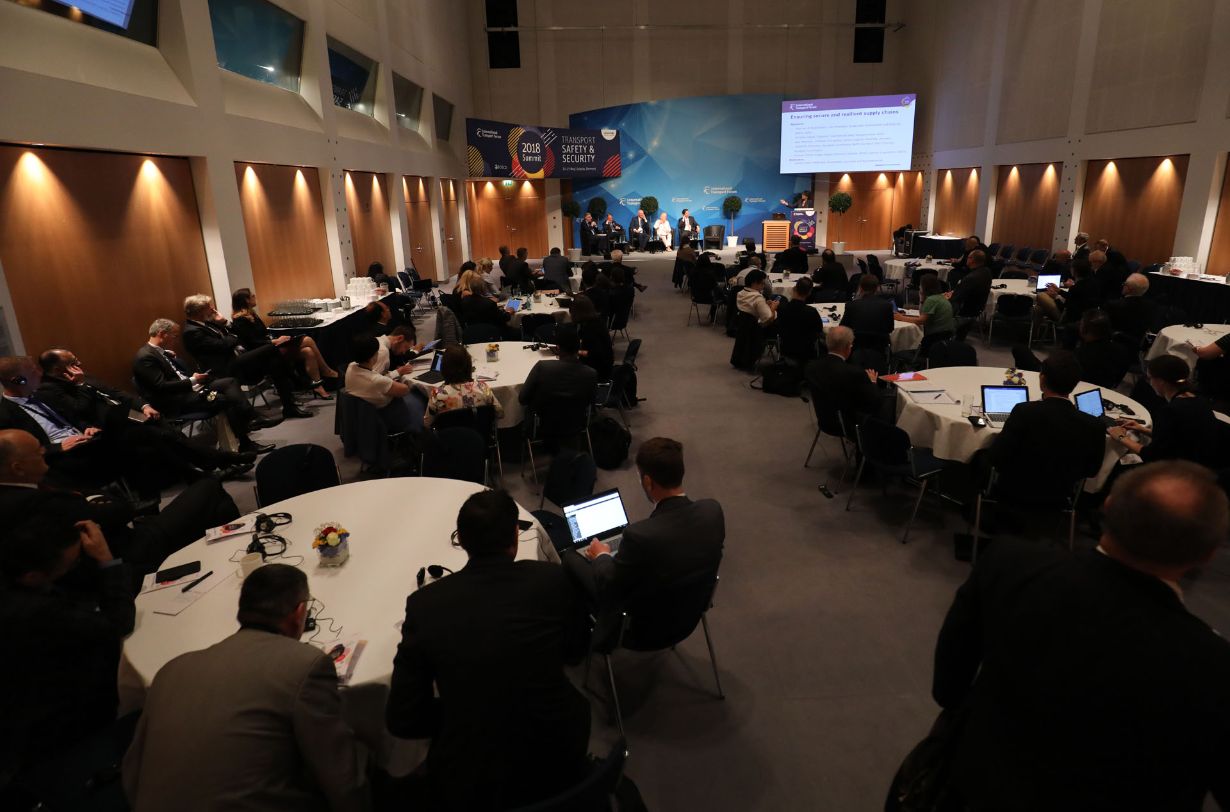
Conferences and corporate events often bring together industry leaders, experts, and decision-makers to share ideas and discuss important topics. While the speakers provide valuable insights, the success of the session often depends on one key individual — the moderator.
Many organisations planning events ask what does a moderator do at a conference, and why this role is so important.
A skilled conference moderator ensures that discussions are structured, engaging, and valuable for both the audience and the speakers. Without effective moderation, even the most knowledgeable panels can become disorganised or difficult to follow.
In this guide, we explore the role of a conference moderator, their responsibilities, and the skills required to manage successful panel discussions.
1. What Is a Conference Moderator?
A conference moderator is responsible for guiding discussions during panel sessions, interviews, or keynote conversations at an event.
They act as a facilitator, ensuring that:
- The discussion remains focused
- Speakers contribute effectively
- The audience stays engaged
- The session runs smoothly and on time
Unlike a host who simply introduces speakers, a panel discussion moderator plays an active role in shaping the conversation and maintaining its direction.
2. Key Responsibilities of a Moderator at a Conference
Understanding what a moderator does at a conference involves looking at their core responsibilities before, during, and after the session.
1. Preparing for the Session
Preparation is one of the most important aspects of professional moderation.
Before the event, a professional moderator will:
- Research the topic in detail
- Understand the objectives of the session
- Learn about the speakers and their expertise
- Prepare relevant and engaging questions
- Coordinate with event organisers
Thorough preparation allows the moderator to lead the discussion confidently and professionally.
2. Introducing the Session and Speakers
At the start of the session, the moderator sets the tone by introducing:
- The topic of discussion
- The purpose of the session
- Each speaker and their background
A clear introduction helps the audience understand the context and importance of the discussion.
3. Guiding the Discussion
One of the most important responsibilities of a conference moderator is managing the flow of conversation.
This includes:
- Asking structured and insightful questions
- Encouraging dialogue between speakers
- Keeping the discussion aligned with the topic
- Highlighting key insights for the audience
A skilled event moderator ensures that conversations remain meaningful and engaging.
4. Managing Time Effectively
Conference sessions often operate on strict schedules.
A moderator must ensure that:
- Each speaker has equal opportunity to contribute
- Key discussion points are covered
- Audience interaction is included
- The session finishes on time
Effective time management is essential for maintaining the overall structure of the event.
5. Encouraging Audience Engagement
A successful conference session involves interaction between speakers and the audience.
A panel moderator encourages engagement by:
- Inviting audience questions
- Facilitating Q&A sessions
- Encouraging participation
- Responding to audience feedback
This helps create a dynamic and interactive environment.
6. Managing Challenges During the Session
Live discussions can be unpredictable, and moderators must be prepared to handle challenges.
These may include:
- Dominant speakers taking over the conversation
- Off-topic discussions
- Technical issues
- Difficult or sensitive questions
A skilled moderator manages these situations calmly and professionally to keep the session on track.
7. Closing the Session
At the end of the discussion, the moderator summarises key points and ensures a strong conclusion.
This may involve:
- Highlighting the main insights
- Thanking the speakers and audience
- Providing final remarks
A clear and concise closing leaves a lasting impression on attendees.
Also, learn more about the How a Professional Moderator Can Transform Your Corporate Event
3. Skills Required for Conference Moderation
To perform these responsibilities effectively, a conference moderator must develop a strong combination of communication, organisational, and interpersonal skills. These abilities ensure that discussions remain structured, engaging, and valuable for both the audience and the speakers.
1. Strong Communication Skills
A moderator must communicate clearly and confidently to guide the discussion and keep the audience engaged. This includes asking relevant questions, explaining ideas simply, and maintaining a professional tone. Clear communication helps ensure that everyone understands the conversation.
2. Active Listening
Active listening allows moderators to respond thoughtfully and build on what speakers are saying. It helps in asking follow-up questions and keeping the discussion natural and meaningful. This skill also ensures the conversation stays on track.
3. Confidence and Authority
Moderators often work with senior professionals, so they must maintain a strong and confident presence on stage. Confidence helps in managing speakers and leading discussions effectively. It also builds credibility with both the audience and participants.
4. Adaptability
Live events can be unpredictable, requiring moderators to think quickly and adjust accordingly. They may need to handle unexpected questions or changes in discussion flow. Being adaptable ensures the session continues smoothly without disruption.
5. Organisation and Time Management
A moderator must keep the session structured and ensure everything runs on schedule. This includes managing speaking time and covering all key topics. Good time management ensures a balanced and professional discussion.
4. Why Professional Moderation Is Important
Hiring an experienced corporate event moderator can significantly improve the quality of a conference session.
Professional moderators bring:
- Experience handling complex discussions
- Confidence working with high-level speakers
- Strong interviewing and communication skills
- The ability to engage diverse audiences
This ensures that the discussion is not only informative but also engaging and well-structured.
5. Work with an Experienced Conference Moderator
For organisations hosting high-level events, working with an experienced moderator can make a significant difference.
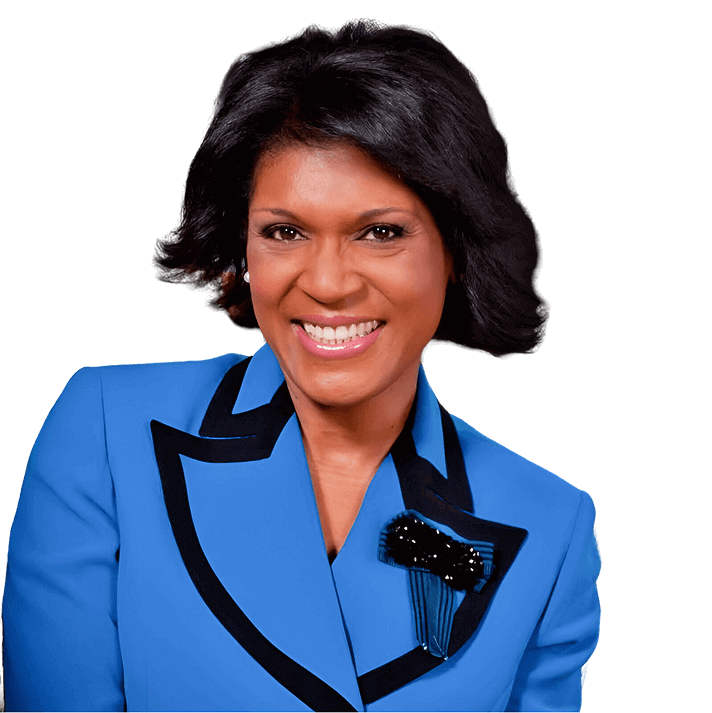
Professionals such as Juliette Foster bring decades of experience in broadcasting, journalism, and international event moderation.
With expertise in leading discussions across corporate conferences, global forums, and panel events, she helps organisations:
- Deliver structured and engaging sessions
- Manage complex topics effectively
- Ensure balanced and insightful discussions
- Create a professional and impactful event experience
An experienced conference moderator can elevate the overall quality and success of any event.
Conclusion
Understanding what a moderator does at a conference highlights the importance of this role in ensuring successful events. From guiding discussions to engaging audiences, moderators play a central role in shaping meaningful and productive conversations.
A skilled event moderator ensures that every session delivers value, maintains structure, and keeps audiences engaged from start to finish.
For organisations planning conferences, investing in professional moderation is a key step towards creating impactful and memorable events.