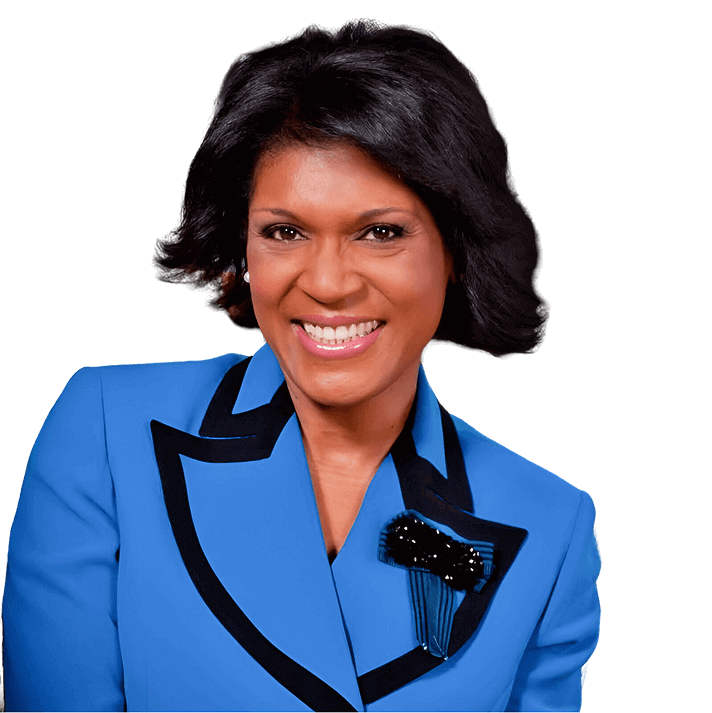
Glamour is the first word that probably springs to mind when you think about a Television Presenter. They look immaculate, sound great and very rarely have a hair out of place. But appearances can be deceptive as there’s more to the job than sitting in front of a camera and reading off an autocue. A television presenter is the public face of a TV programme, the person who introduces content, engages audiences, guides discussions, and serves as the bridge between the production team and viewers at home. They also inform, entertain and connect with audiences in ways that feel both authentic and relatable.
In the UK, a Television Presenter’s role encompasses a broad range of programmes including news and current affairs on major channels like the BBC to specialist documentaries, live events, and lifestyle shows.
1. The Core Role of a Television Presenter
At its heart, presenting is about communication. But what does that really mean in practice?
1. Hosting and Guiding Programmes
Presenters introduce and close segments, explain topics, and connect different parts of a show so that it flows logically and smoothly for viewers. Whether on a live broadcast or pre-recorded programme, this requires clarity, warmth, and confidence.
2. Interviewing and Interaction
One of the most visible aspects of presenting is interviewing a diverse range of guests including experts, celebrities and members of the public. This means preparing thoughtful questions, actively listening, and ensuring that conversations are engaging and on track.
3. Engaging with a Live Audience
A tricky but underestimated skill. Some programmes, such as live chat shows or event coverage, require presenters to interact directly with audiences, maintain energy, manage time, and seamlessly deal with unplanned moments that happen “on the fly”.
2. Behind the Scenes: What Presenters Do Off-Camera
People wrongly assume that presenting is just “being on TV.” In reality, presenters often spend more time preparing for the broadcast than appearing on it.
1. Research and Script Preparation
Before stepping in front of the camera, a presenter researches topics, writes or edits scripts, and collaborates with producers to shape the programme narrative. These tasks ensure accuracy and build authority.
2. Collaboration with Production Teams
Presenters regularly work with producers, directors, researchers, and technical teams to understand the show’s goals, its timing, and format. This teamwork is essential for a professional, seamless broadcast.
3. Responding on the Fly
Live TV requires quick thinking. Presenters must be ready to adapt, whether it’s a last-minute guest change, a script alteration, a breaking news story, or a technical glitch, all while maintaining their composure and clarity.
Also read: How to Tell Your Story Like A Broadcaster
3. What Skills Do TV Presenters Need?
Broadcasting companies look for a mix of talents although the primary ones are:
1. Excellent Communication, clear, engaging delivery, and the ability to explain complex ideas simply.
2. Research acumen, knowledge, and preparation all of which underpin credibility.
3. Adaptability in handling live shows and unscripted moments.
4. Confidence under Pressure compliments a poised on-camera presence.
4. Pathway to Becoming a Television Presenter in the UK
There’s no single route into presenting, but common steps include:
1. Education – Many presenters study such subjects as broadcast journalism, media production, or communication studies.
2. Practical Experience
Work placements, community media, student TV, or radio stations offer real-world practice and early on-camera experience.
3. Training and Coaching
Media coaching can refine on-camera presence, interview technique, and delivery. This is where bespoke support, such as on-camera training, becomes especially valuable. Juliette Foster’s services include media training and communication strategies designed to build confidence and on-camera authority for professionals across multiple sectors.
5. The Broader Impact of TV Presenters
Beyond delivering content, TV presenters shape public conversations and cultural perspectives. They can spotlight social issues, explain new developments, and influence how millions of people interpret the world around them, particularly in news, documentaries, and current affairs programmes. Consider British television figures like Alex Jones, known for co-hosting The One Show, where engaging storytelling and audience connection are central to success.
6. Television Presenters vs Other On-Screen Roles
It’s useful to distinguish the presenter from other media roles:
1. News Anchor focuses on delivering news bulletins.
2. A reporter gathers and reports stories often out of the studio.
3. Continuity Announcer introduces programmes and schedules on network TV, distinct from the presenter role but still a vital broadcasting function in the UK context.
A presenter’s role is broader, combining hosting, interviewing, and audience engagement.
Conclusion: The Role Today and Beyond
In the evolving media landscape, UK television presenters are more than just talking faces on a screen; they are storytellers, communicators, and connectors. They help audiences make sense of news, culture, entertainment, and live events through preparation, performance, and personality.
For anyone aspiring to this dynamic role, combining practical experience with refined communication skills is key. Professional media insights, such as the tailored coaching and media training offered by Juliette Foster, can help individuals from all backgrounds find their voice and presence, whether in news, corporate media, or public communication.
At its best, presenting bridges the gap between information and impact, and in a world where media shapes public understanding, it remains a role of influence and responsibility.