Modern conferences, corporate events, and leadership summits often feature panel discussions where industry experts share insights, debate ideas, and explore key challenges. However, without proper guidance, these discussions can quickly lose direction or become difficult for audiences to follow.
This is where an event moderator plays a vital role.
Understanding what an event moderator is and why this role matters is essential for organisations planning successful conferences or panel discussions. A skilled moderator ensures conversations remain focused, engaging, and valuable for both the speakers and the audience.
In this guide, we explain the role of an event moderator, their key responsibilities, the skills required, and why professional moderation can significantly improve the quality of an event.
1. What Is an Event Moderator?
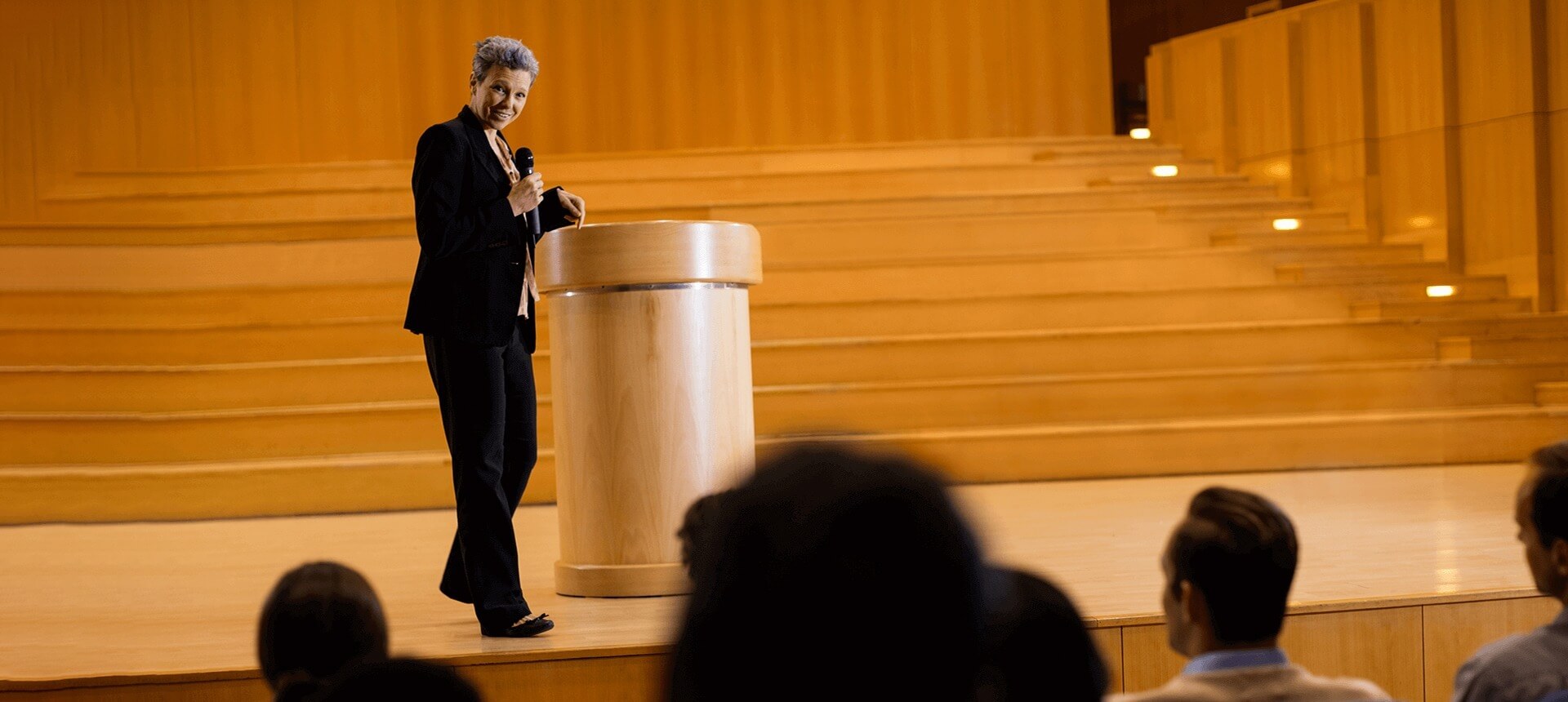
An event moderator is a professional responsible for guiding discussions during conferences, panel sessions, interviews, or corporate events.
Their role is to manage the conversation between speakers while ensuring the audience receives clear, relevant, and engaging insights.
Unlike a host who simply introduces speakers, a conference moderator actively participates in shaping the discussion. They ask questions, manage time, encourage balanced participation, and ensure the session stays focused on the main topic.
In simple terms, the event moderator acts as the facilitator of conversations, helping experts communicate their ideas effectively while maintaining a smooth and organised discussion.
2. The Role of an Event Moderator at Conferences
The role of a panel discussion moderator is multifaceted and requires both communication and organisational skills.
Some of the primary responsibilities include:
1. Introducing the Session
At the beginning of the event, the moderator introduces:
- The topic of discussion
- The purpose of the session
- The panel speakers and their expertise
This helps the audience understand the context and importance of the conversation.
2. Guiding the Discussion
A professional event moderator keeps the conversation flowing by asking questions and encouraging interaction between speakers.
Their goal is to:
- Highlight different perspectives
- Explore key issues
- Maintain a productive dialogue
Without effective moderation, panel discussions may become unstructured or repetitive.
3. Managing Time
Time management is critical in conferences where multiple sessions are scheduled throughout the day.
An experienced conference moderator ensures:
- Each speaker has the opportunity to contribute
- Important questions are addressed
- Audience participation is included
- The session ends on schedule
This helps maintain the overall flow of the event.
4. Encouraging Audience Engagement
Another important aspect of event moderation is involving the audience in the conversation.
This can include:
- Opening the floor for questions
- Encouraging audience interaction
- Facilitating discussions between panellists and attendees
Audience engagement helps create a more dynamic and memorable event experience.
Also, learn more about the 5 Key Benefits of Hiring a Professional Broadcaster for Your Event UK
3. Skills Required to Be a Good Event Moderator
Being an effective corporate event moderator requires a unique combination of professional skills.
Below are some of the most important abilities a successful moderator must possess.
1. Strong Communication Skills
Clear communication is the foundation of successful moderation.
Moderators must be able to:
- Ask insightful questions
- Explain complex ideas clearly
- Guide conversations naturally
- Summarise key points for the audience
These skills help ensure that discussions remain informative and engaging.
2. Active Listening
Listening carefully to speakers is essential for maintaining meaningful discussions.
A good panel moderator listens closely to responses and uses them to guide the next question or topic.
This allows conversations to develop naturally rather than following a rigid script.
3. Confidence and Presence
Moderators often manage discussions involving senior executives, industry leaders, and subject-matter experts.
Therefore, they must demonstrate:
- Professional confidence
- Strong stage presence
- The ability to manage high-level conversations
Confidence helps establish authority and keeps the session organised.
4. Preparation and Research
Preparation is one of the most important elements of successful event moderation.
Before the event, moderators typically:
- Research the topic thoroughly
- Study the speakers’ backgrounds
- Prepare thoughtful discussion questions
- Understand the audience profile
This preparation allows moderators to lead conversations with clarity and expertise.
4. Why Event Moderators Are Important for Conferences
A well-moderated discussion can significantly enhance the value of a conference session.
Here are several reasons why organisations rely on professional moderators.
1. Keeps Discussions Focused
Panel discussions can easily drift away from the main topic.
A moderator ensures conversations remain relevant and aligned with the event’s objectives.
2. Creates Balanced Conversations
Without moderation, some speakers may dominate the discussion while others remain silent.
A panel discussion moderator ensures every voice is heard and the conversation remains balanced.
3. Improves Audience Engagement
Moderators play a key role in connecting the speakers with the audience.
By encouraging questions and interaction, they help create a more engaging and memorable experience.
4. Maintains Professional Flow
Events involving high-profile speakers require careful coordination and professionalism.
An experienced moderator ensures the session remains structured, productive, and valuable for all participants.
5. When Should You Hire a Professional Event Moderator?
Many organisations choose to hire a professional moderator when hosting:
- Corporate conferences
- Leadership summits
- Industry panel discussions
- Government or policy forums
- Academic or research events
- International conferences
In these settings, the quality of moderation can greatly influence the success of the event.
6. Professional Event Moderation for Corporate Conferences
Experienced professionals bring valuable expertise to event moderation.
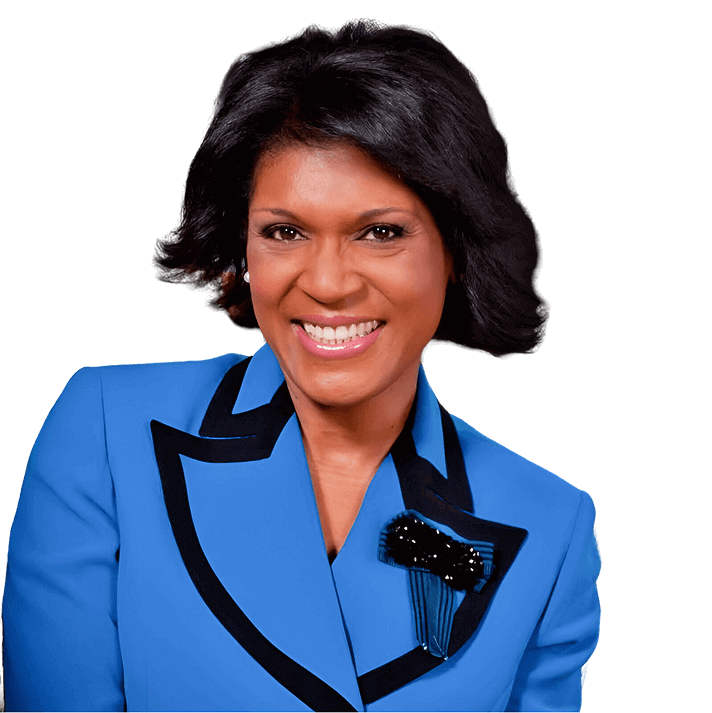
Broadcasters and journalists such as Juliette Foster often moderate high-level conferences, corporate events, and international discussions.
With extensive experience in journalism and broadcasting, professional moderators are skilled at:
- Asking insightful and relevant questions
- Managing complex conversations
- Engaging diverse audiences
- Ensuring discussions remain clear and productive
Working with an experienced conference moderator helps organisations create impactful discussions that deliver real value to attendees.
Conclusion
Understanding what an event moderator is highlights the importance of this role in conferences and corporate events. Moderators guide discussions, manage speakers, and ensure audiences receive meaningful insights from panel conversations.
A skilled event moderator transforms panel discussions into engaging and productive sessions that benefit both speakers and attendees.
For organisations planning conferences, leadership forums, or corporate events, professional moderation can significantly improve the quality, structure, and impact of discussions.