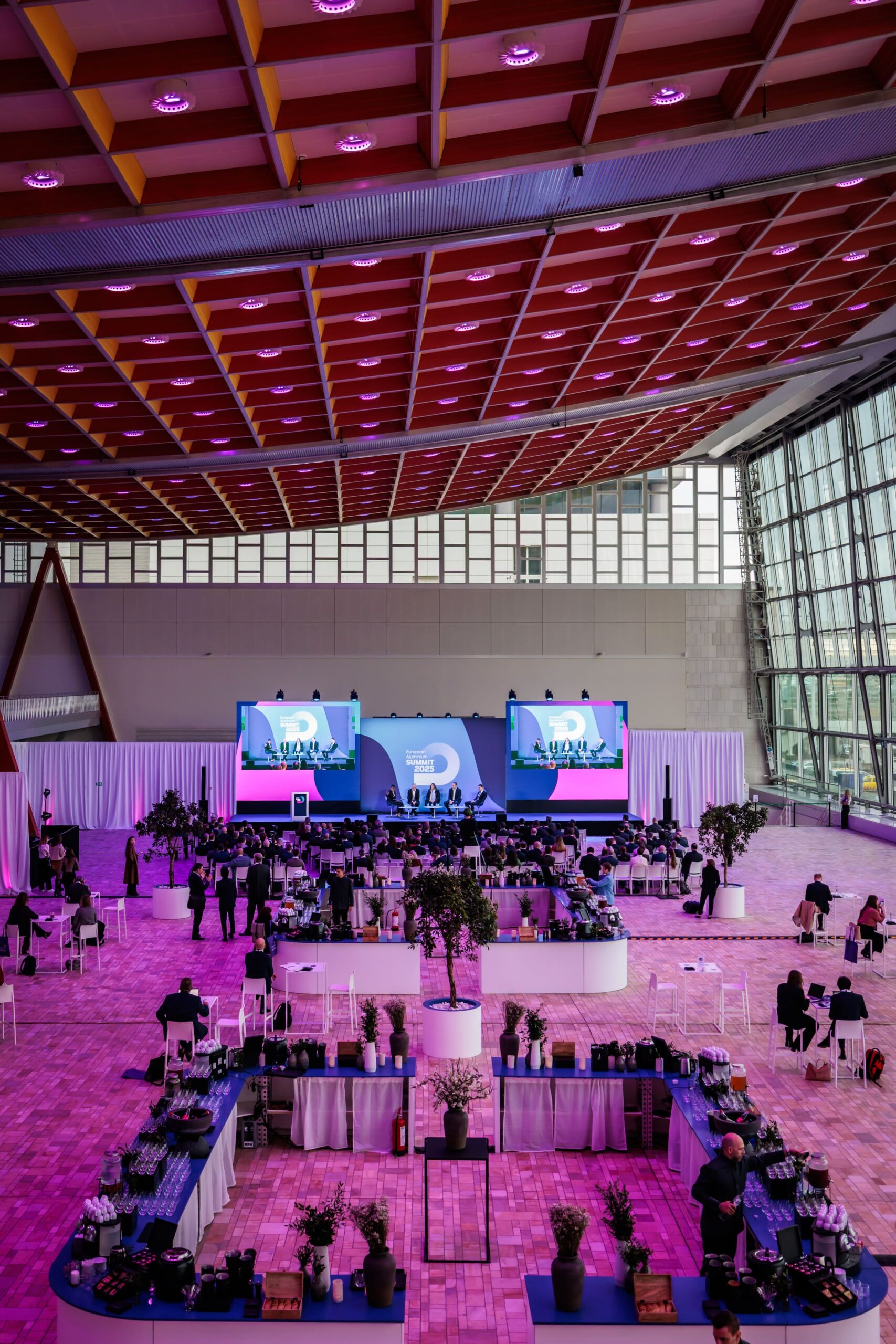
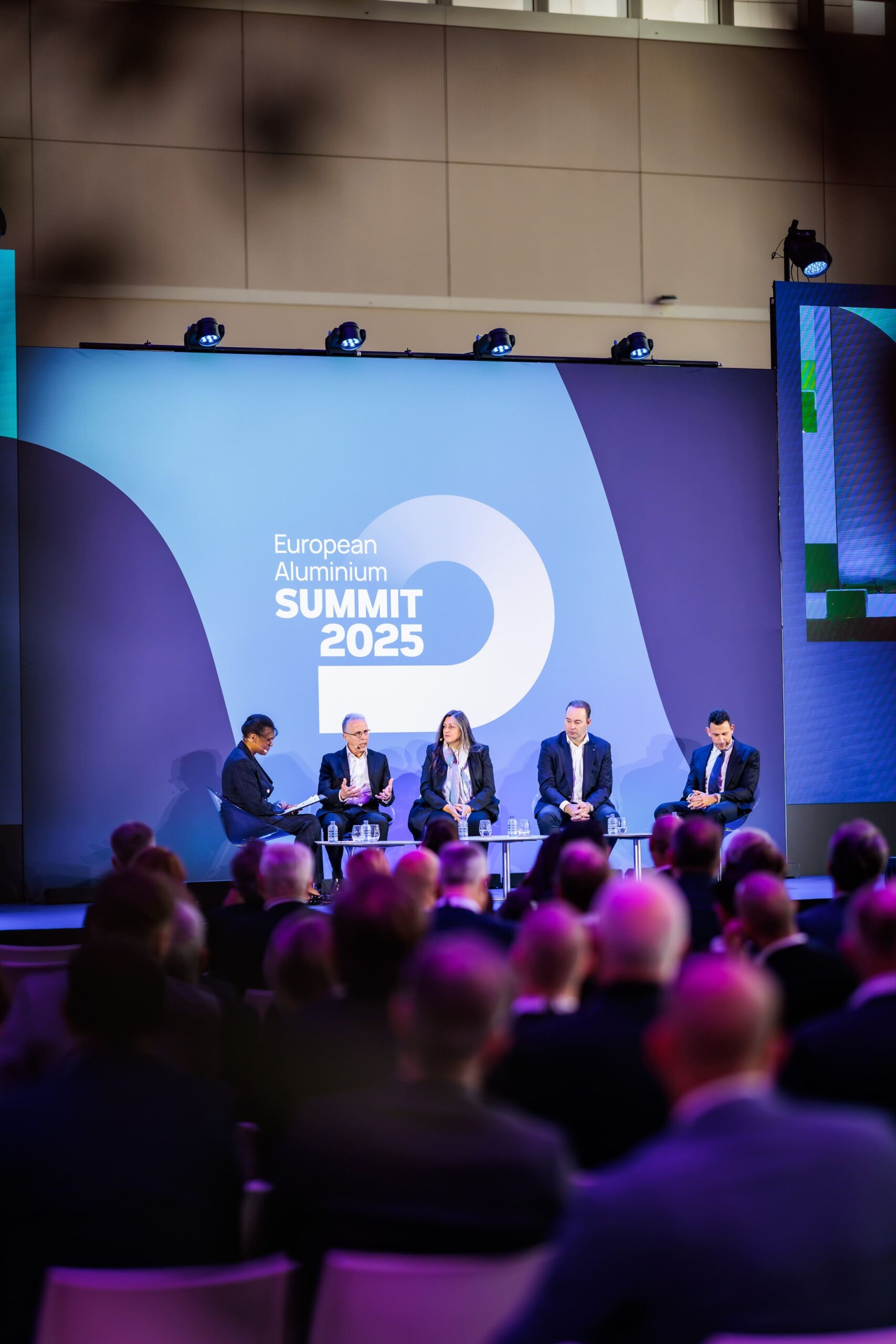
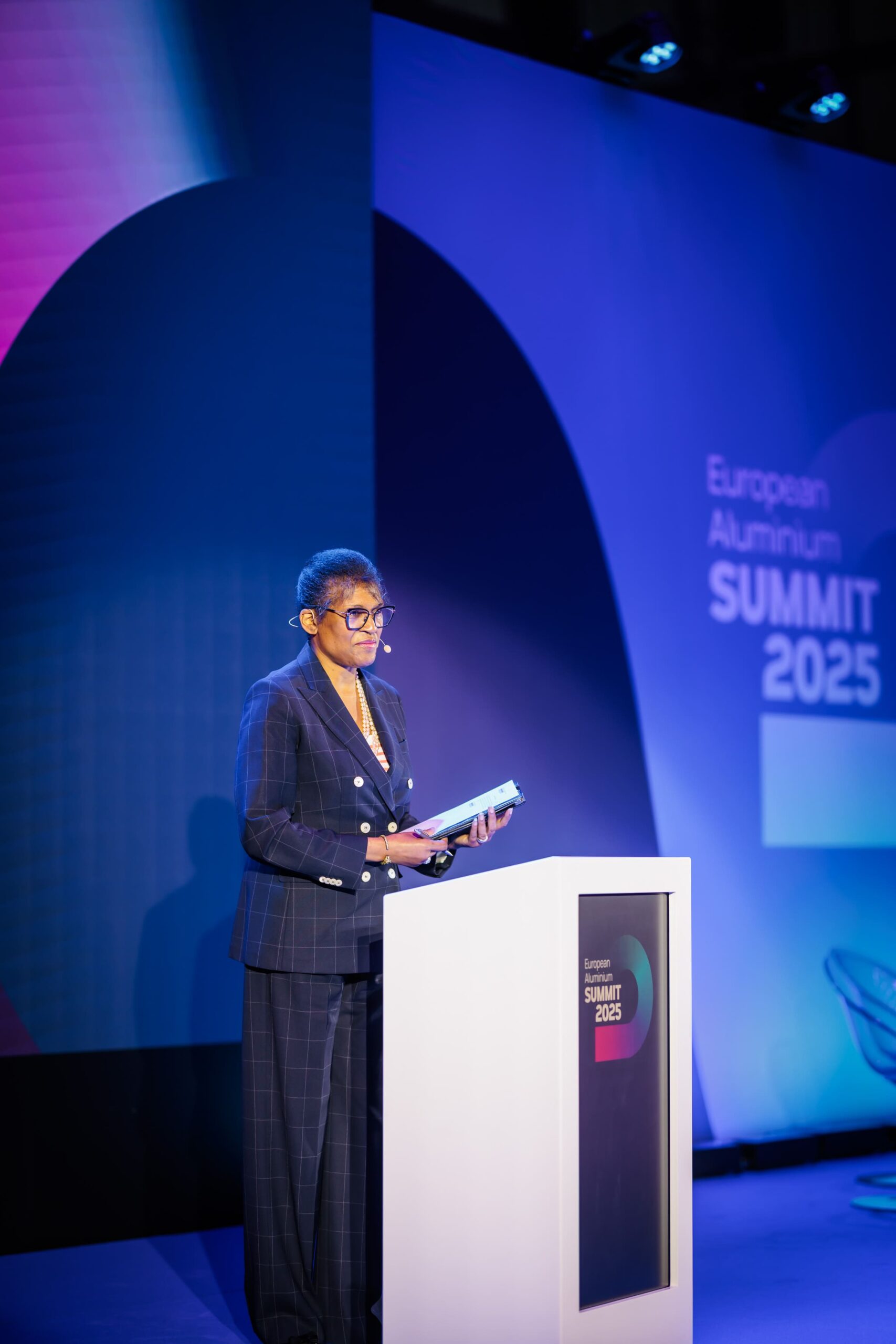
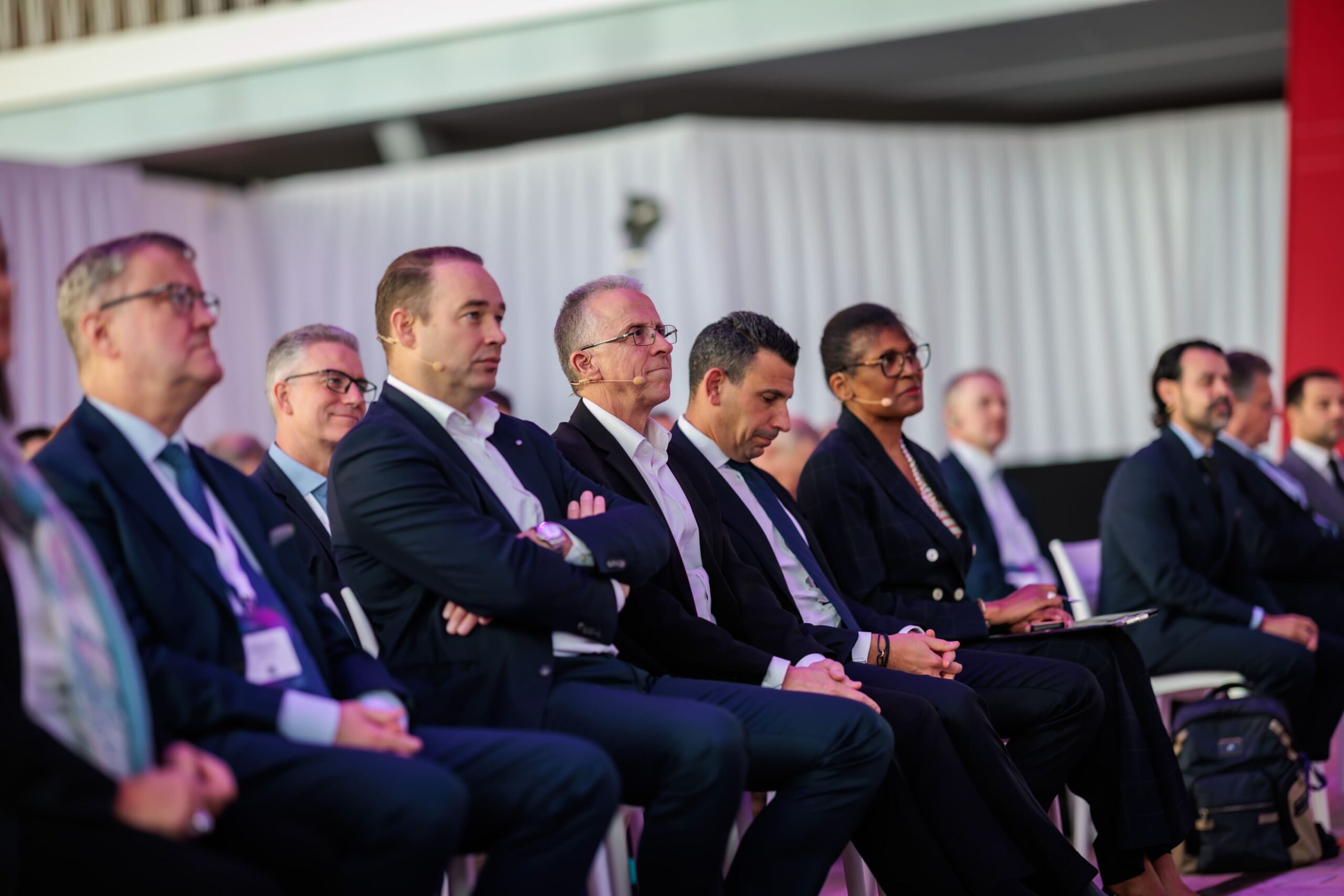
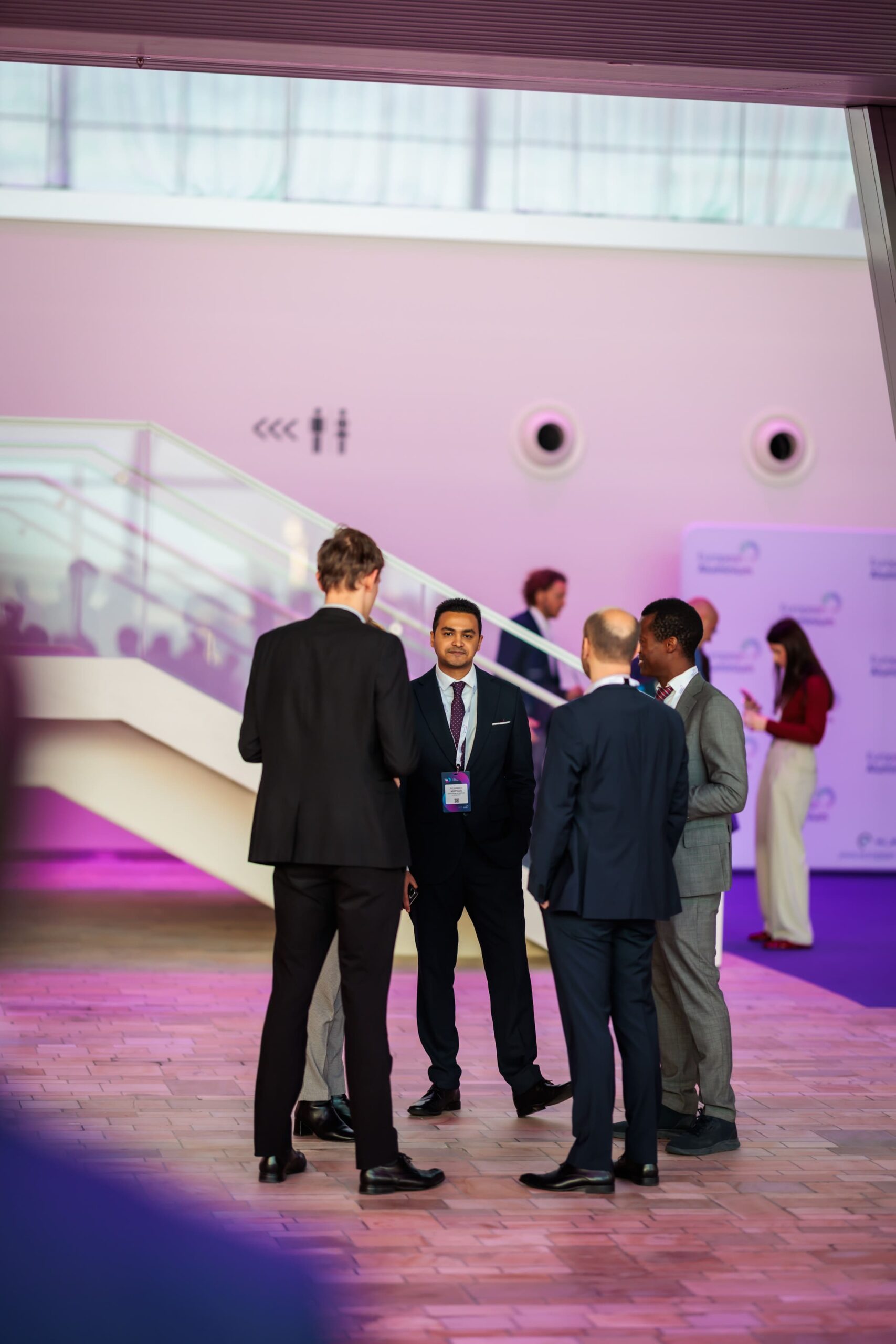
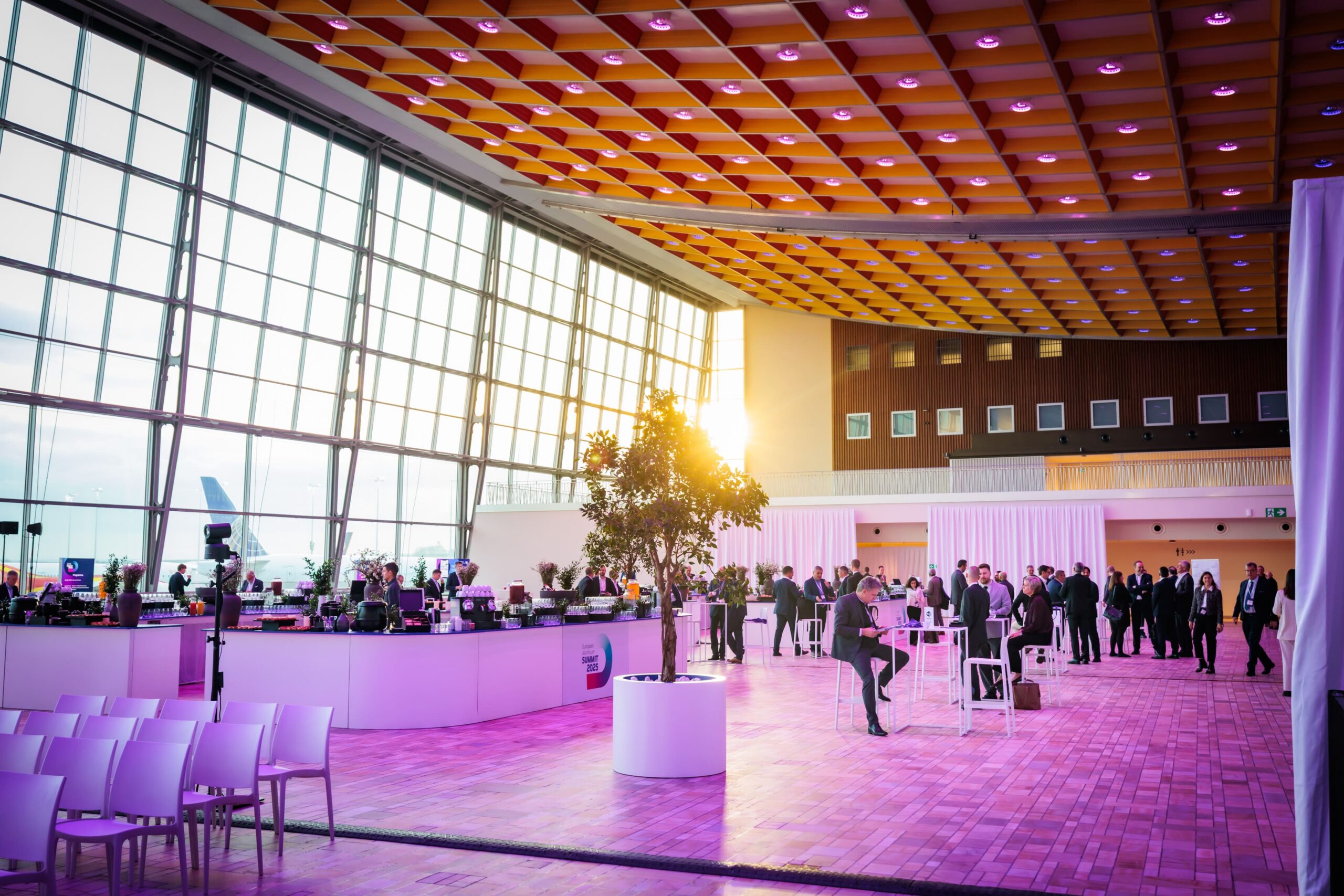
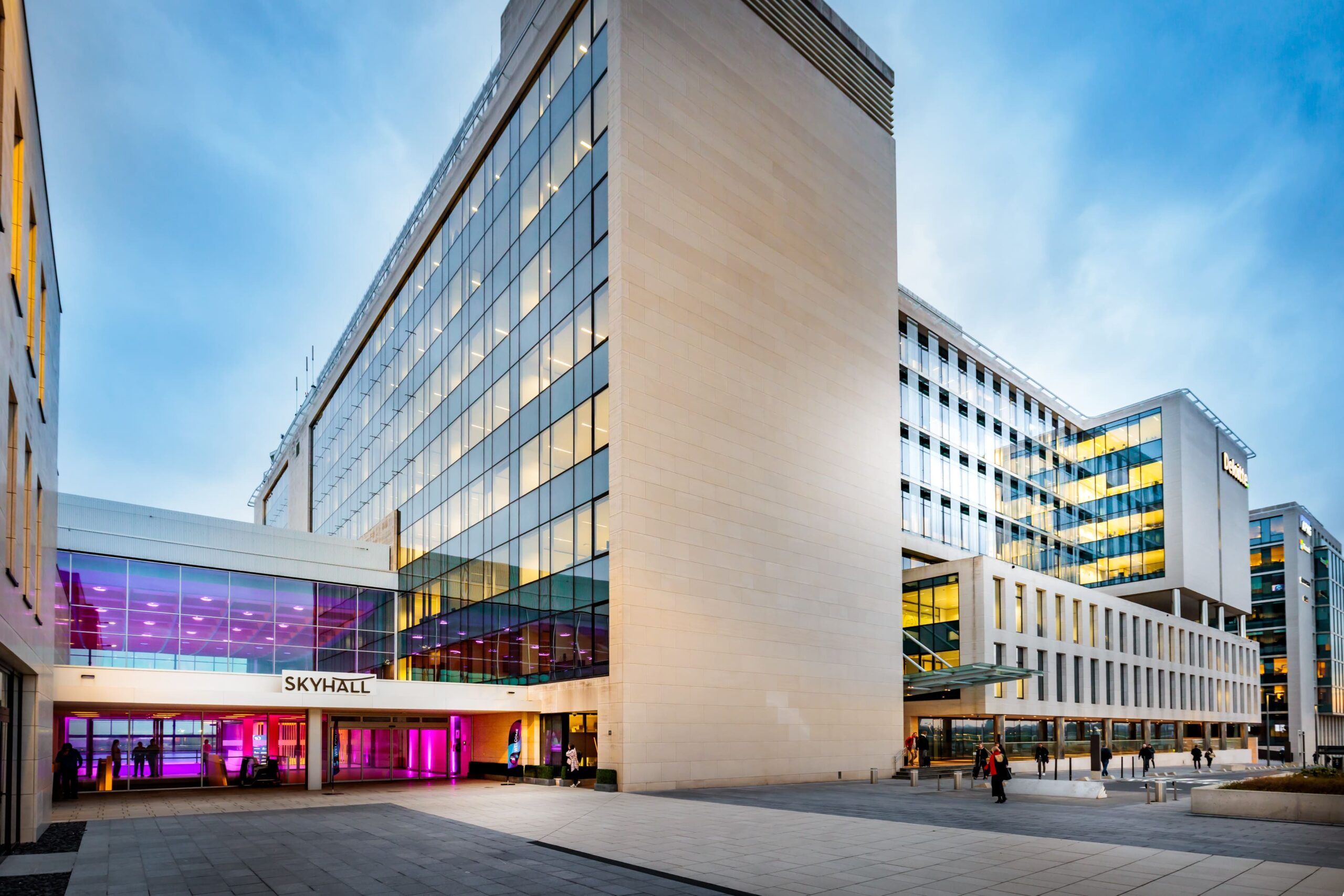
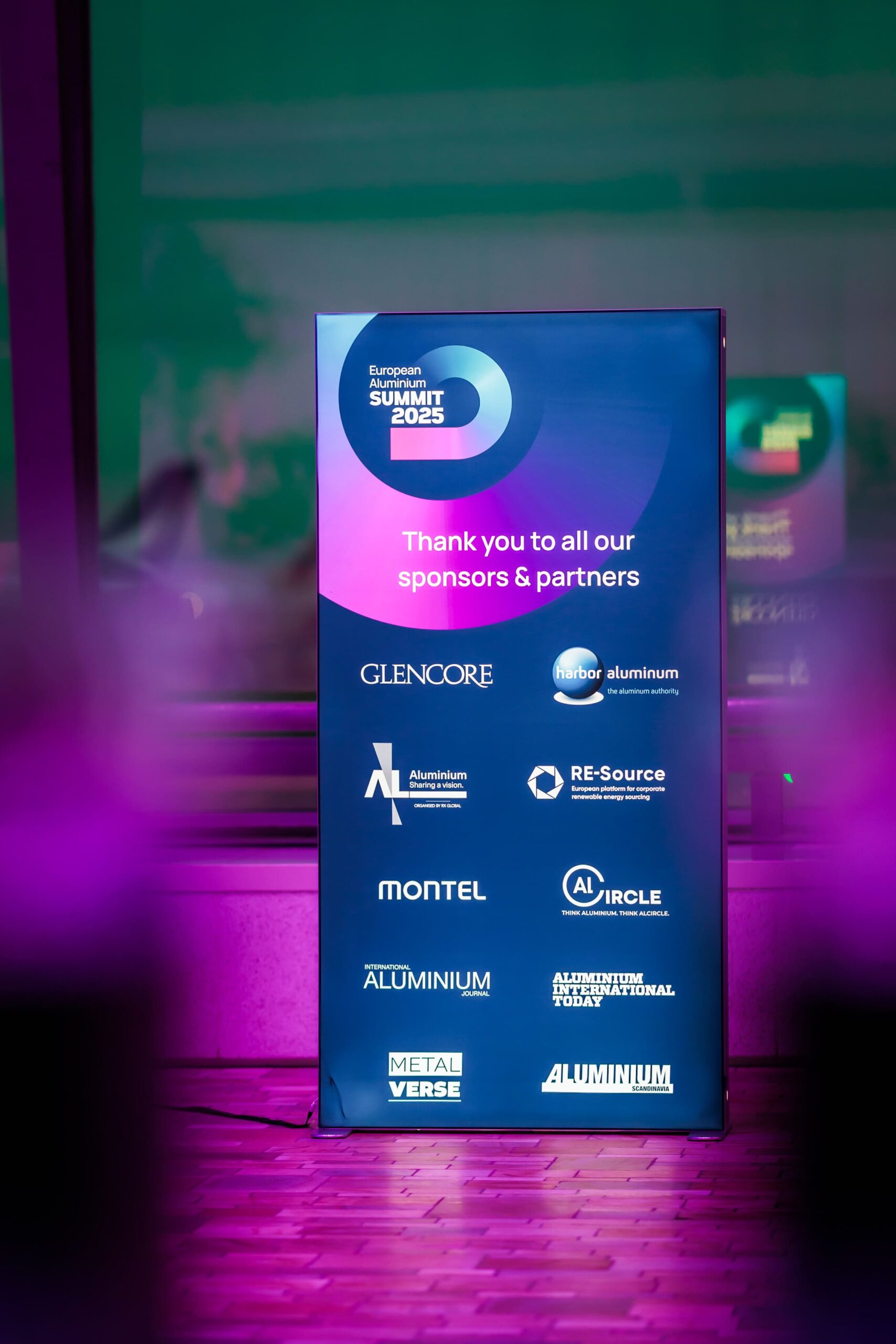
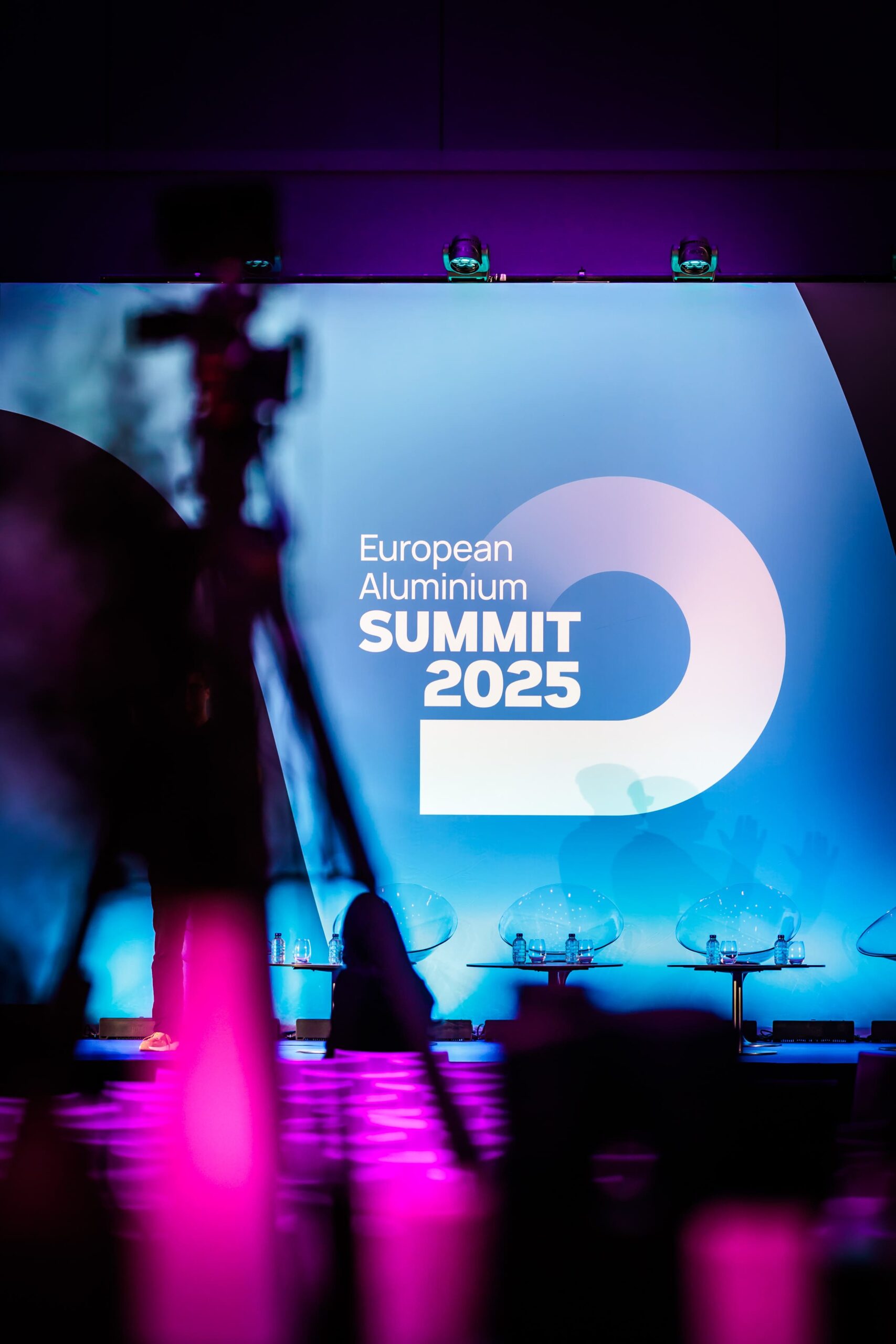
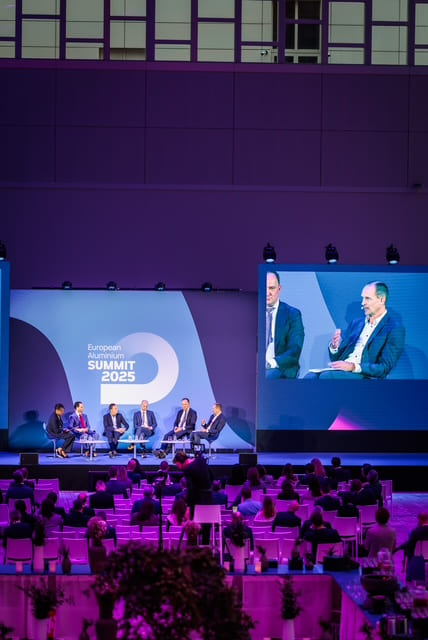
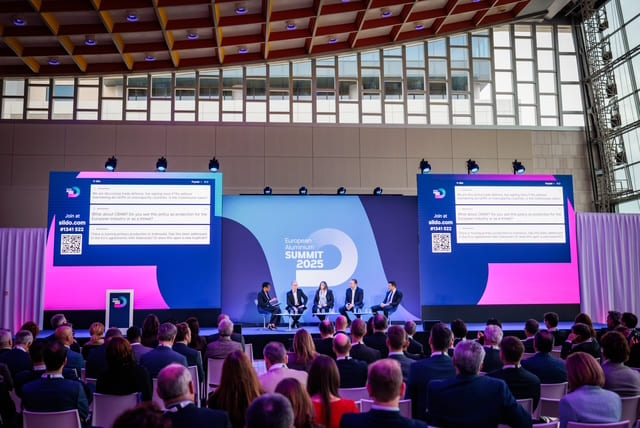
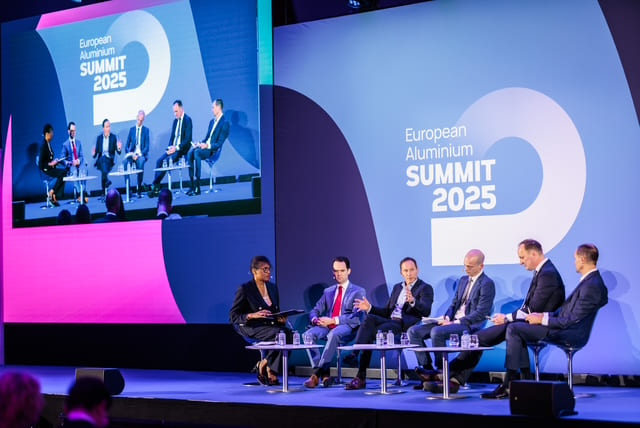
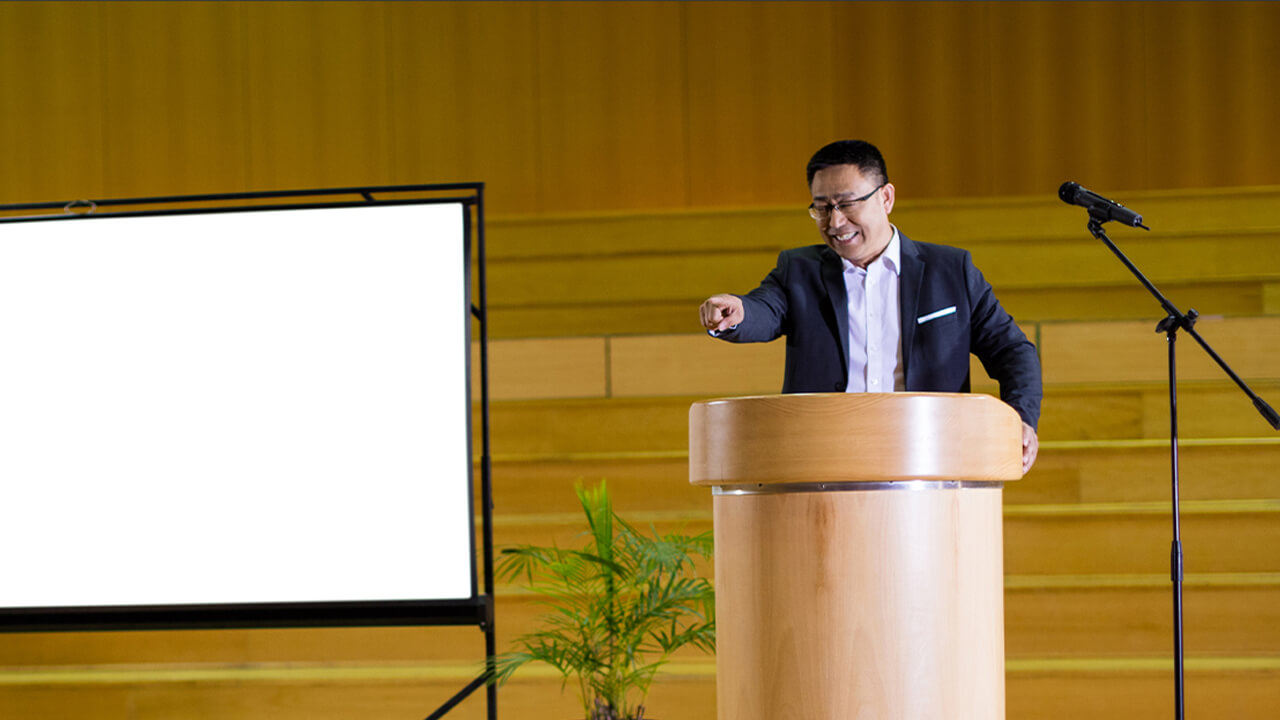
The European Aluminium Summit 2025 was held on 18 November 2025 at Skyhall, Brussels Airport. Organised by European Aluminium, the event convened over 300 decision-makers from across Europe’s aluminium value chain - producers, recyclers, policymakers, market analysts, and innovators - to address urgent challenges and emerging opportunities in the sector.
Purpose & Themes
The summit’s purpose was to explore new rules, new markets, and new opportunities for aluminium in Europe. Key themes included:
- Navigating volatile markets and trade dynamics.
- Responding to regulatory shifts and sustainability pressures.
- Strengthening Europe’s role in the global aluminium ecosystem.
- Highlighting aluminium’s role in the clean transition - from solar panels and wind turbines to sustainable buildings and packaging.
Key Announcement
A highlight of the summit was the address by Maroš Šefčovič, EU Trade and Economic Security Commissioner, who announced that the European Commission is preparing a balanced measure to restrict aluminium scrap exports.
- Objective: Prevent “scrap leakage” and ensure Europe’s recycling industry has access to adequate volumes of aluminium scrap.
- Timing: The measure is expected to be adopted in Spring 2026.
- Reception: The announcement was welcomed by industry leaders, who have long called for action to secure supply chains and strengthen Europe’s circular economy.
Digital Traceability & Growth Sectors
Beyond policy, digital technologies such as blockchain are reshaping aluminium’s role in mobility and energy supply chains. By enabling real-time traceability of materials, blockchain helps automotive and power network players verify sustainability claims, track recycled content, and build trust with regulators and consumers.
Session Highlight: Sustainable Mobility & Power Networks
- Automotive and energy sectors are demanding low-carbon, traceable aluminium for EVs, charging infrastructure, and grid resilience.
- Blockchain-enabled traceability is emerging as a critical tool to verify sourcing, carbon footprint, and recycling content in real time.
- Growth sectors expect aluminium suppliers to deliver not just material, but data-backed assurance — proof of sustainability, circularity, and compliance.
- The panel explored whether Europe’s aluminium industry is ready to meet these expectations at scale, and how policy signals (like the scrap export measure) can support investment in digital traceability.
Role of the Moderator
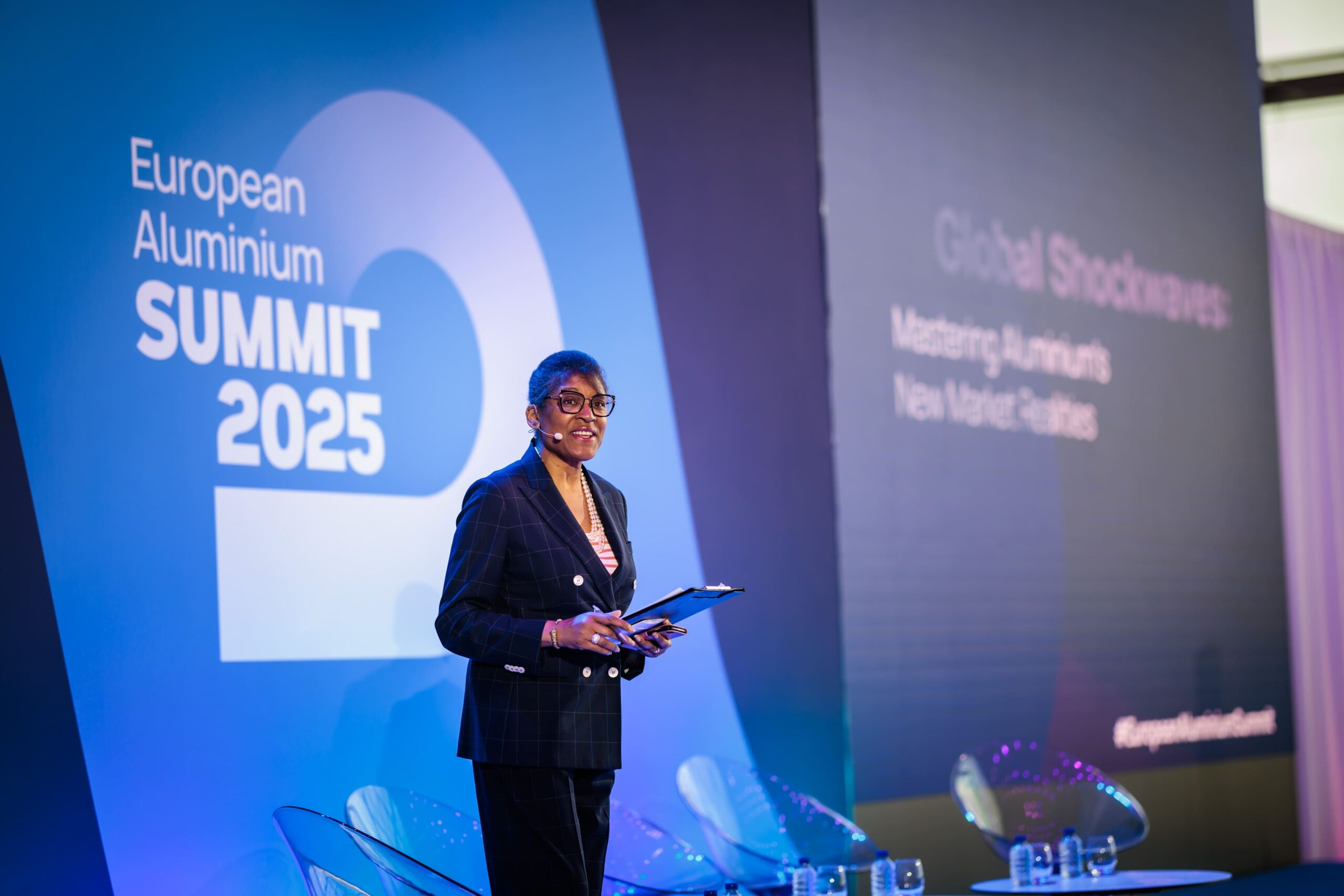
Juliette Foster acted as moderator, guiding high-level discussions and ensuring diverse perspectives were heard. Her role was critical in:
- Facilitating dynamic exchanges between policymakers, industry leaders, and innovators.
- Keeping conversations focused on actionable strategies rather than generic commentary.
- Ensuring the summit’s sessions delivered value by connecting policy announcements (like Šefčovič’s) with industry realities.
Audience & Significance
The audience included C-suite executives, regulators, recyclers, and investors, making the summit a pivotal platform for shaping Europe’s aluminium future. With global participation, the insights extended beyond Europe, offering lessons for international markets.
Why It Matters
- Aluminium is a strategic raw material under the EU’s Critical Raw Materials Act, vital for clean energy, defence, and sustainable growth.
- The scrap export restriction initiative signals Europe’s intent to protect its recycling industry and secure supply chains.
- Strong moderation ensured the summit connected policy, industry, and innovation, helping attendees translate insights into strategy.
Key Takeaways
- Expect new EU measures on aluminium scrap exports in Spring 2026.
- Aluminium’s role in the clean transition makes it central to Europe’s industrial strategy.
- Collaboration across the value chain — producers, recyclers, policymakers — is essential for resilience.
- Moderation that bridges policy announcements with industry practice ensures summits deliver actionable outcomes.
- Blockchain traceability is becoming essential for automotive and energy sectors, linking sustainability with competitiveness.