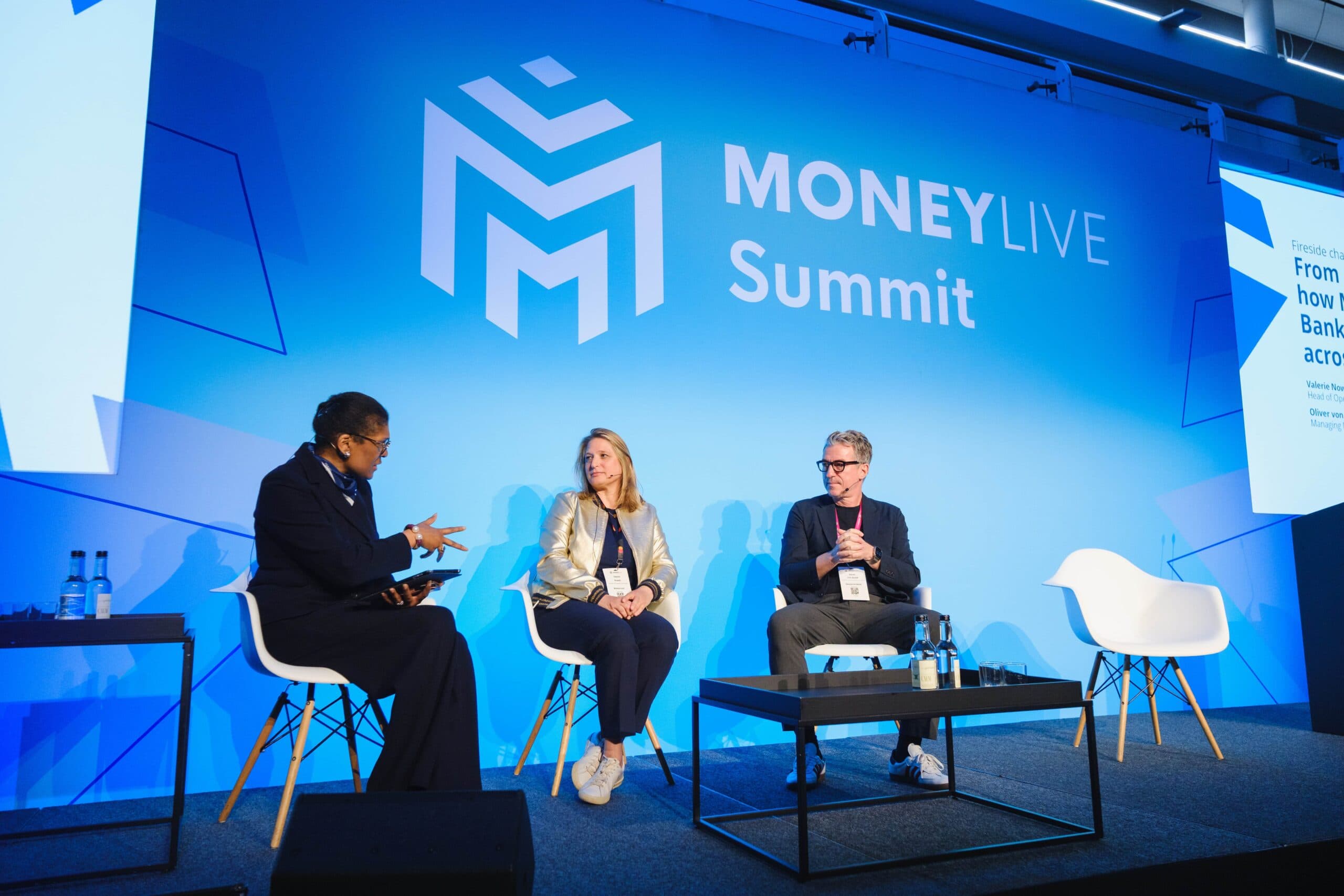
MoneyLIVE Summit 2026
MoneyLIVE Summit sets the agenda for the future of banking and payments. Hosted in the FinTech capital of the world, this is the global payments and banking event uniting industry leaders at the top of their game.
MoneyLIVE Summit: Two Days That Mapped the Future of Banking and Payments
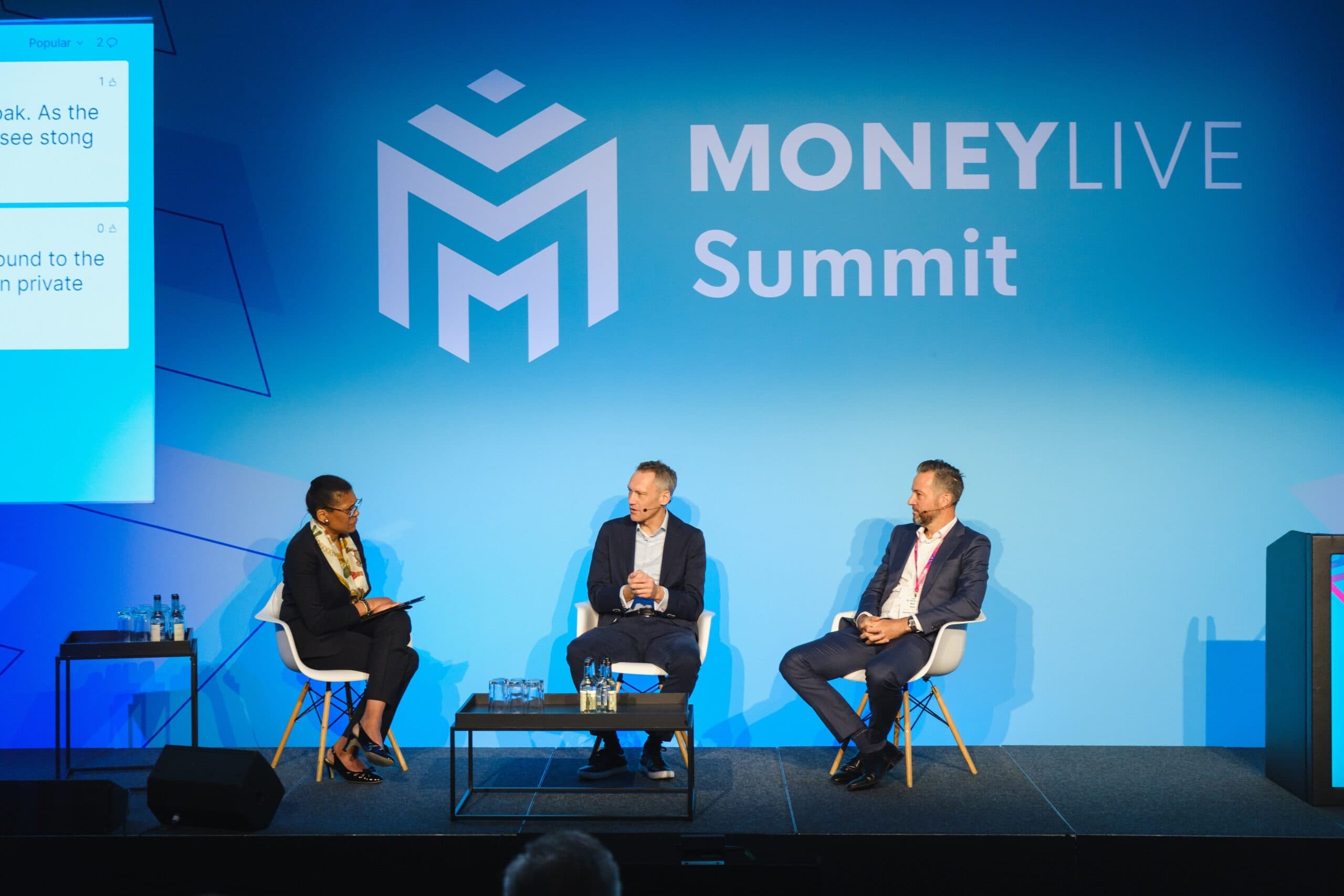
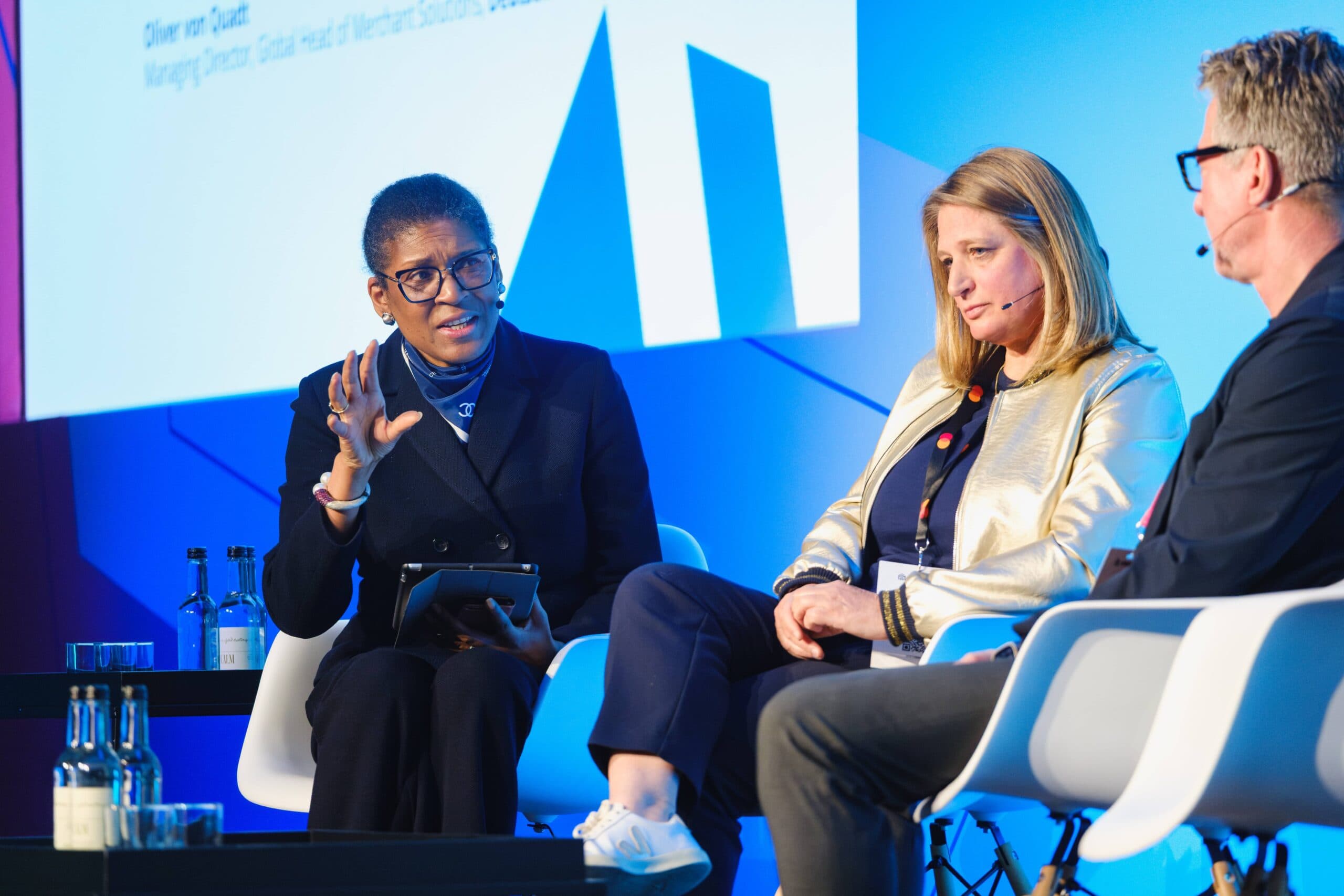
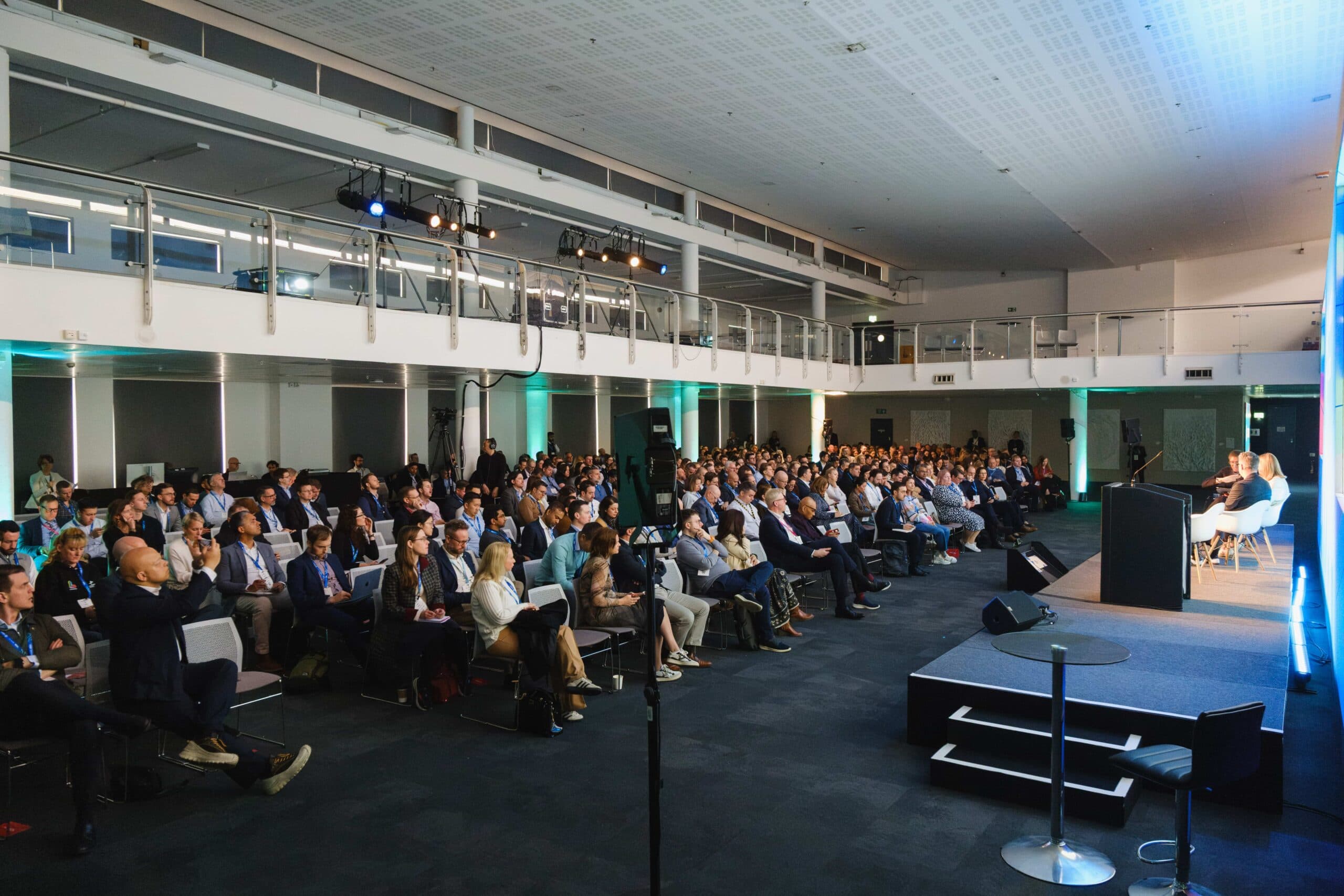
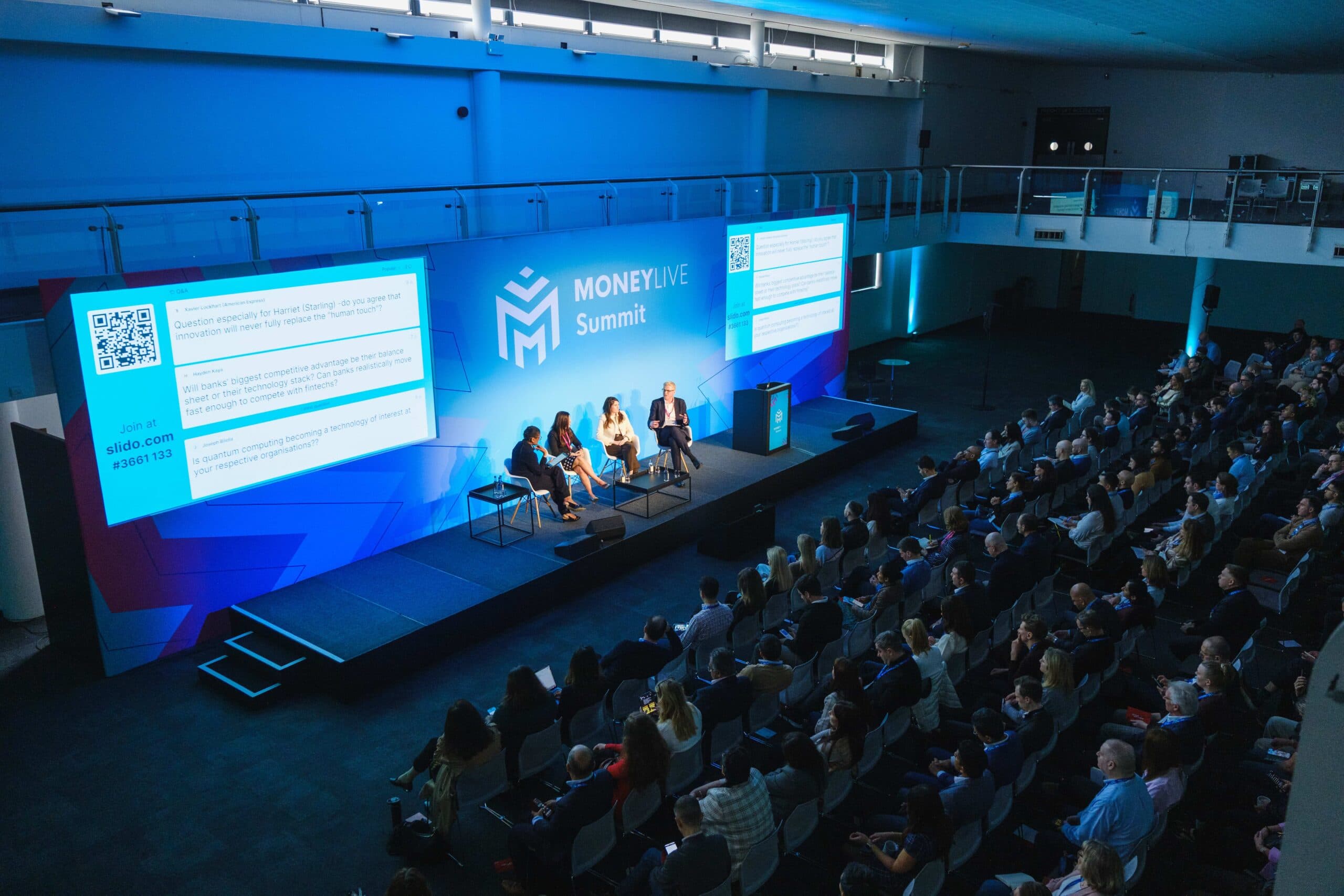
MoneyLIVE Summit brought together leaders from across banking, payments, technology, and regulation for two days of highintensity discussion on the forces reshaping financial services. Across seven major sessions — spanning customer experience, AI, open finance, resilience, challenger strategy, and digital money — a clear picture emerged: the industry is entering a decisive decade where competitive advantage will be defined by intelligence, interoperability, and trust.
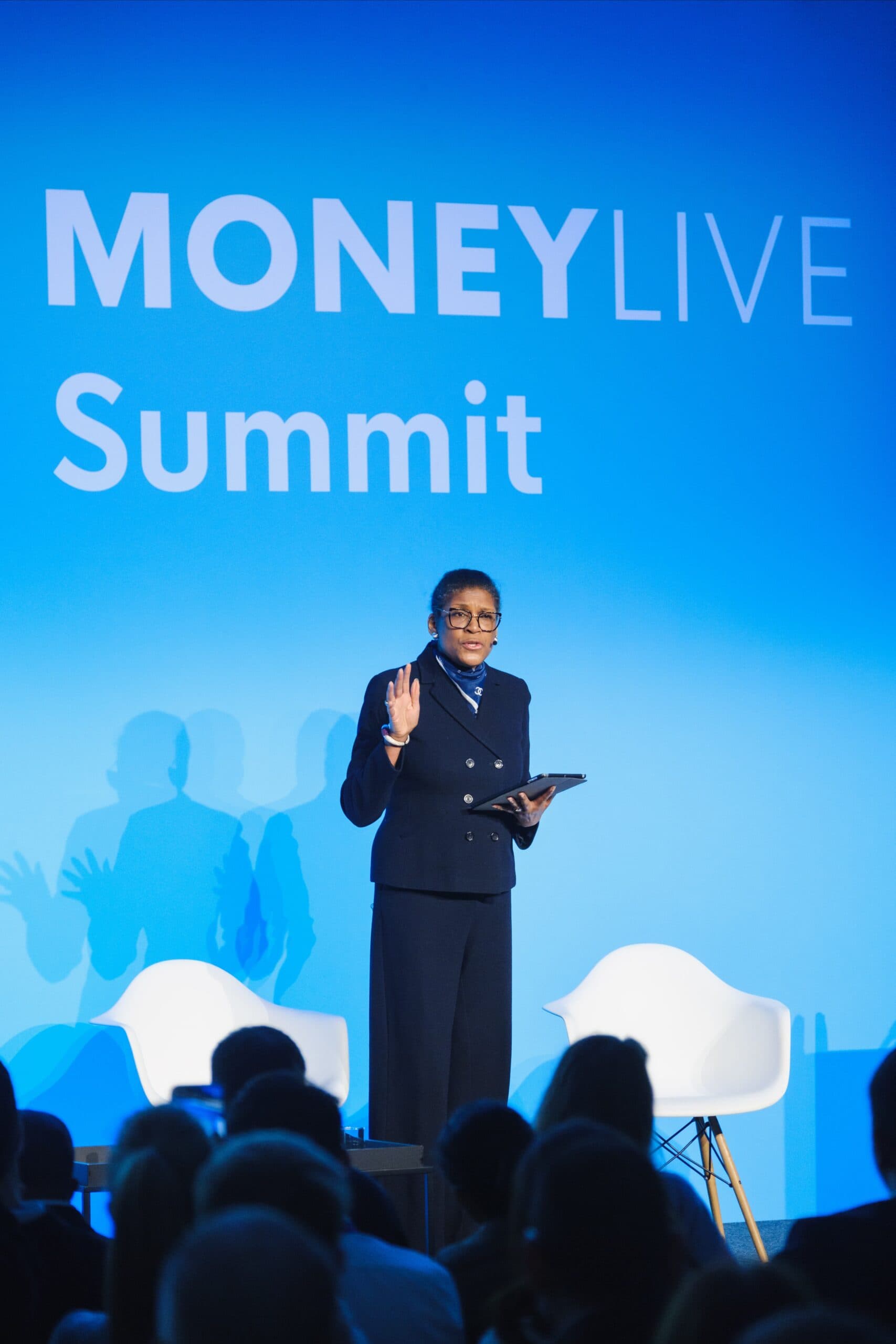
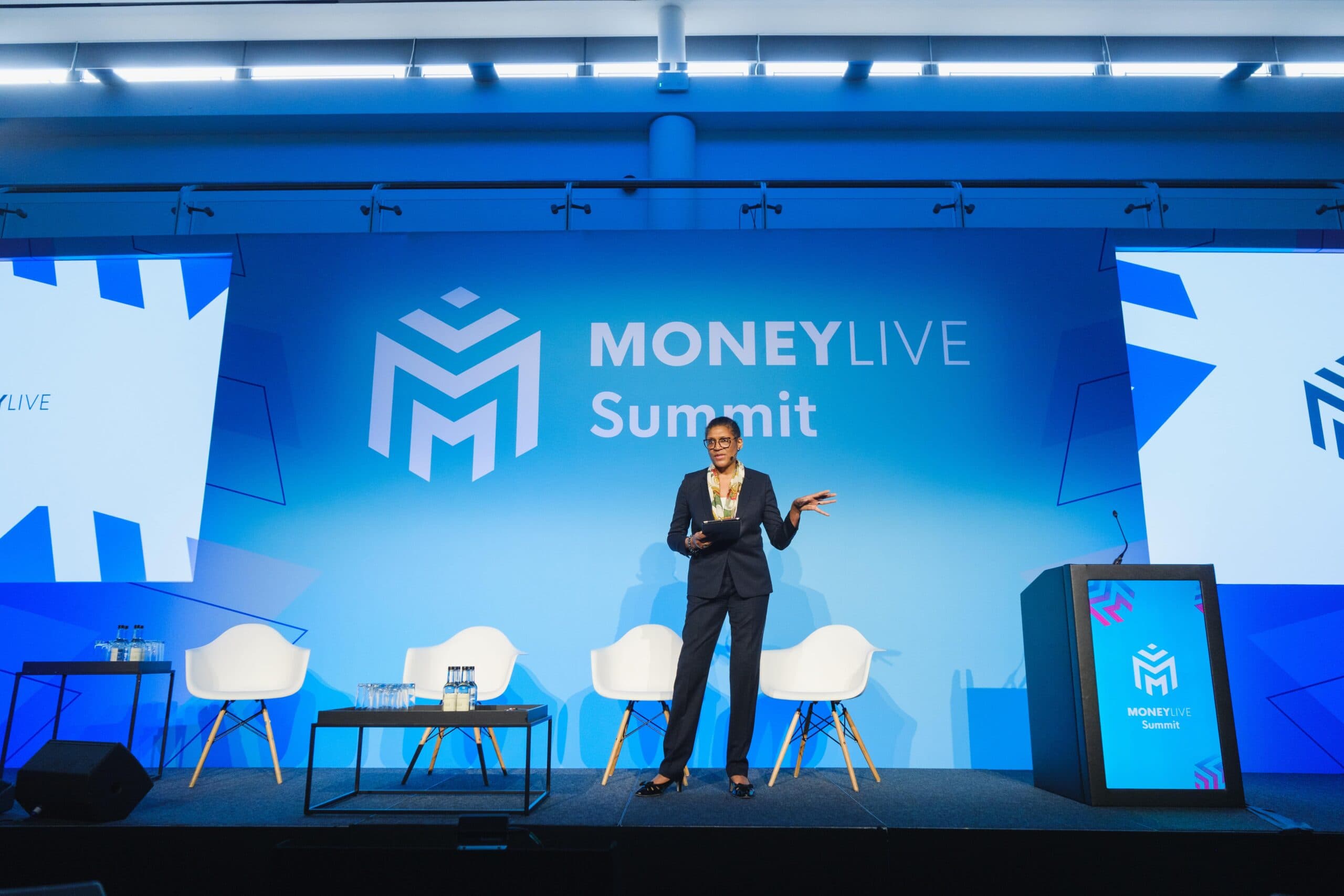
The event opened with a keynote on “the modern bank: blending technology and human touch for customer excellence” , setting the tone for a programme that repeatedly returned to the same question: how can banks modernise at pace without losing the human connection that underpins trust?
1. Customer Experience: From Digital Convenience to Cognitive Banking
Across multiple sessions, customer experience was framed not as a channel problem but as a capability problem. Banks are moving beyond digitisation into what speakers repeatedly described as cognitive banking — experiences that anticipate needs, interpret context, and adapt in real time.
Lifecentricity and personalisation
Lloyds and AWS explored how banks can support customers through major life events — from buying a first home to retirement. The challenge is twofold:
- Identifying life events through signals and behavioural triggers
- Responding sensitively, balancing proactive support with data compliance and tact
Banks are increasingly building ecosystem partnerships to support broader needs — insurance, travel, wellbeing — recognising that customers expect holistic support, not productled interactions.
CX orchestration and the rise of “optichannel”
NatWest, Nationwide and Veritran emphasised that the future is not omnichannel but optichannel — engaging customers on the right channel at the right moment. This requires:
- Breaking down data silos to understand friction points
- Building realtime feedback loops so product teams can react to performance signals quickly
- Preparing for agentic AI, which will fundamentally reshape acquisition and engagement models
The consensus: AI will not replace human service, but it will redefine when and how humans are needed.
2. AI: From Automation to Autonomy
AI was the gravitational centre of the summit. Whether in customer experience, operations, payments, or resilience, every session touched on its transformative potential.
AIpowered interactions
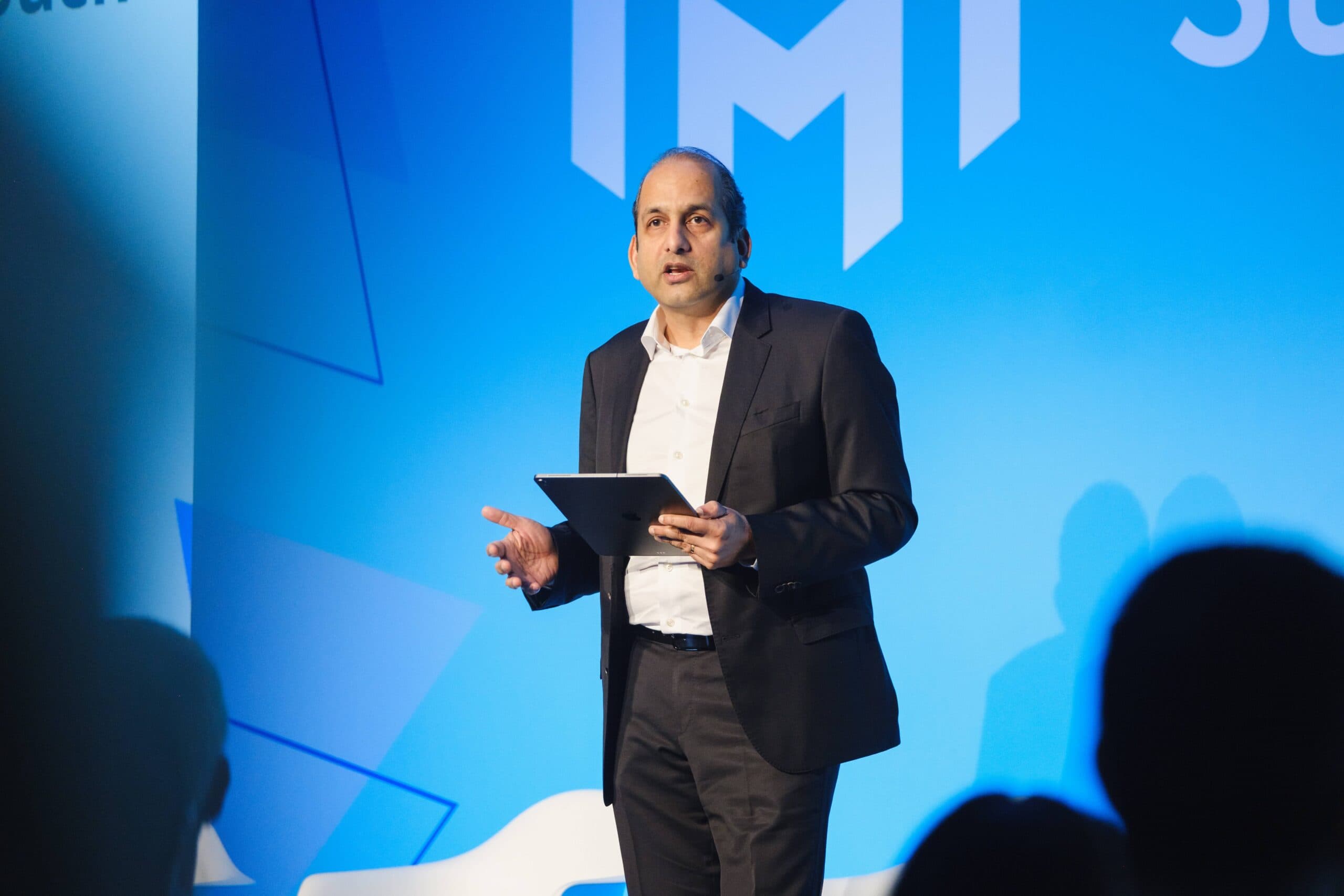
Danske Bank’s keynote highlighted how AI is redefining what’s possible in customer engagement, with conversational systems becoming more contextual, more personalised, and more capable of guiding financial decisions.
Moneybox’s Aurora engine was presented as a case study in AIdriven financial planning, with speakers emphasising the technical and organisational challenges of building trustworthy AI systems.
Agentic commerce
Multiple panels explored the rise of agentic AI — autonomous systems capable of completing tasks on behalf of customers. This shift could:
- Reshape how transactions are initiated
- Change how banks design journeys
- Alter the economics of acquisition and loyalty
Speakers agreed that banks must begin preparing now for a world where AI agents, not customers, initiate most interactions.
Operational AI and risk
In the resilience track, Vigilant AI’s Michael Anyfantakis addressed the operational risks of autonomous AI, including:
- New regulatory frameworks for realtime compliance
- Hybrid controls to maintain human accountability
- The need for clear audit trails as digital workforces expand
The message was clear: AI is moving from experimentation to enterprise scale — and risk frameworks must evolve accordingly.
3. Payments: A2A, Pay by Bank, and the New Economics of Money Movement
Payments innovation was a dominant theme, with deep dives into Pay by Bank, A2A adoption, API strategy, and tokenised money.
Scaling Pay by Bank
Mastercard and Deutsche Bank outlined the barriers to adoption — fragmentation, trust, and lack of clear merchant value — and the steps needed to move from “interesting alternative” to enterpriseready proposition. Trust, security, and network reliability were repeatedly cited as decisive factors for merchants considering primary payment methods .
Open banking maturity
BBVA, Nationwide and Allica Bank compared global models, noting that markets with less entrenched card usage (Brazil, India) have seen faster A2A adoption. Yet European examples like Bizum and iDeal show that success is possible even in cardheavy markets when:
- Consumer protection is strong
- Merchant value is clear
- User experience is seamless
Speakers stressed that A2A will only reach a tipping point when it offers more than cost savings — it must deliver new value.
API strategy and embedded finance
Deutsche Bank and Standard Chartered discussed the rise of premium APIs, developer experience, and the role of AI in tailoring API products. As open finance matures, new revenue models are emerging around:
- Identity
- Verification
- Datadriven services
- Embedded financial experiences
4. Challenger Banks: Differentiation in a Maturing Market
Day 2 opened with a focus on challengers — their evolution, business models, and the competitive pressures shaping the next decade.
Starling’s decade
Starling reflected on its 10year journey, highlighting:
- Cultural agility
- SME focus
- Divergence in challenger strategies
- The importance of serving underserved segments with precision
Business model innovation
bunq, Tandem and Pockit/Monese explored how challengers are differentiating through:
- Sustainability and green finance
- Serving migrants and underbanked communities
- Strategic acquisitions to scale
- Expansion into the US market
- Embedding AI into core infrastructure to deliver superior customer value
The overarching theme: digital convenience is no longer enough — challengers must build depth, not just speed.
5. Resilience and Security: Preparing for a More Volatile Threat Landscape
The resilience track underscored the rising complexity of operational risk.
Evolving threats
Speakers from Lloyds, Monzo and Nationwide highlighted:
- Increasing DDoS and AIpowered cyberattacks
- Energy intermittency and power outages
- Heightened regulatory scrutiny of downtime
- The coming designation of critical third parties in 2026
Third and fourthparty risk
Banks are now expected to look beyond direct suppliers to cloud providers and infrastructure partners, building contingency plans for largescale outages.
Human factors and preparedness
Training, tabletop exercises, and leadership readiness were emphasised as essential components of resilience planning.
The takeaway: Resilience is no longer a compliance exercise — it is a competitive differentiator.
6. Digital Money: CBDCs, Tokenised Deposits, and Stablecoins
The final session explored the future of money itself.
The Digital Euro
Nordea outlined the design considerations behind the digital euro, including privacy, interoperability, and the role of public infrastructure in a digital economy.
Tokenised payments
Commerzbank examined how tokenisation could streamline settlement, liquidity management, and crossborder flows.
Stablecoins vs tokenised deposits
Deutsche Bank and Lloyds compared the two models:
- Stablecoins: flexible, global, but dependent on regulatory clarity
- Tokenised deposits: fully backed, bankissued, and suited to both corporate and retail use cases
Speakers agreed that publicprivate collaboration will determine the pace and shape of adoption, particularly in markets like the UK where pilots such as tokenised bonds are already underway.
7. The Strategic Arc: What the Industry Learned
Across all sessions, several unifying themes emerged:
1. Intelligence is the new competitive frontier
AI is moving from augmentation to autonomy. Banks that build intelligent systems — not just digital ones — will lead.
2. Trust is the currency of the next decade
Whether in payments, AI, or digital money, adoption hinges on reliability, transparency, and customer protection.
3. Interoperability will define the winners
From APIs to tokenised assets to crossborder payments, the future belongs to institutions that can connect seamlessly across ecosystems.
4. Human touch still matters
Even in an AIdriven world, empathy, judgement, and relationshipbuilding remain irreplaceable — especially in moments of vulnerability or complexity.
5. Regulation is becoming a catalyst, not a constraint
From open banking to digital money to AI oversight, regulatory frameworks are increasingly enabling innovation rather than slowing it.
Looking Ahead
MoneyLIVE Summit made one thing clear: the next decade will not be defined by technology alone, but by how intelligently, responsibly, and creatively banks use it. The institutions that thrive will be those that:
- Modernise their foundations
- Invest in intelligence
- Build trust at scale
- Collaborate across ecosystems
- And stay relentlessly focused on customer value