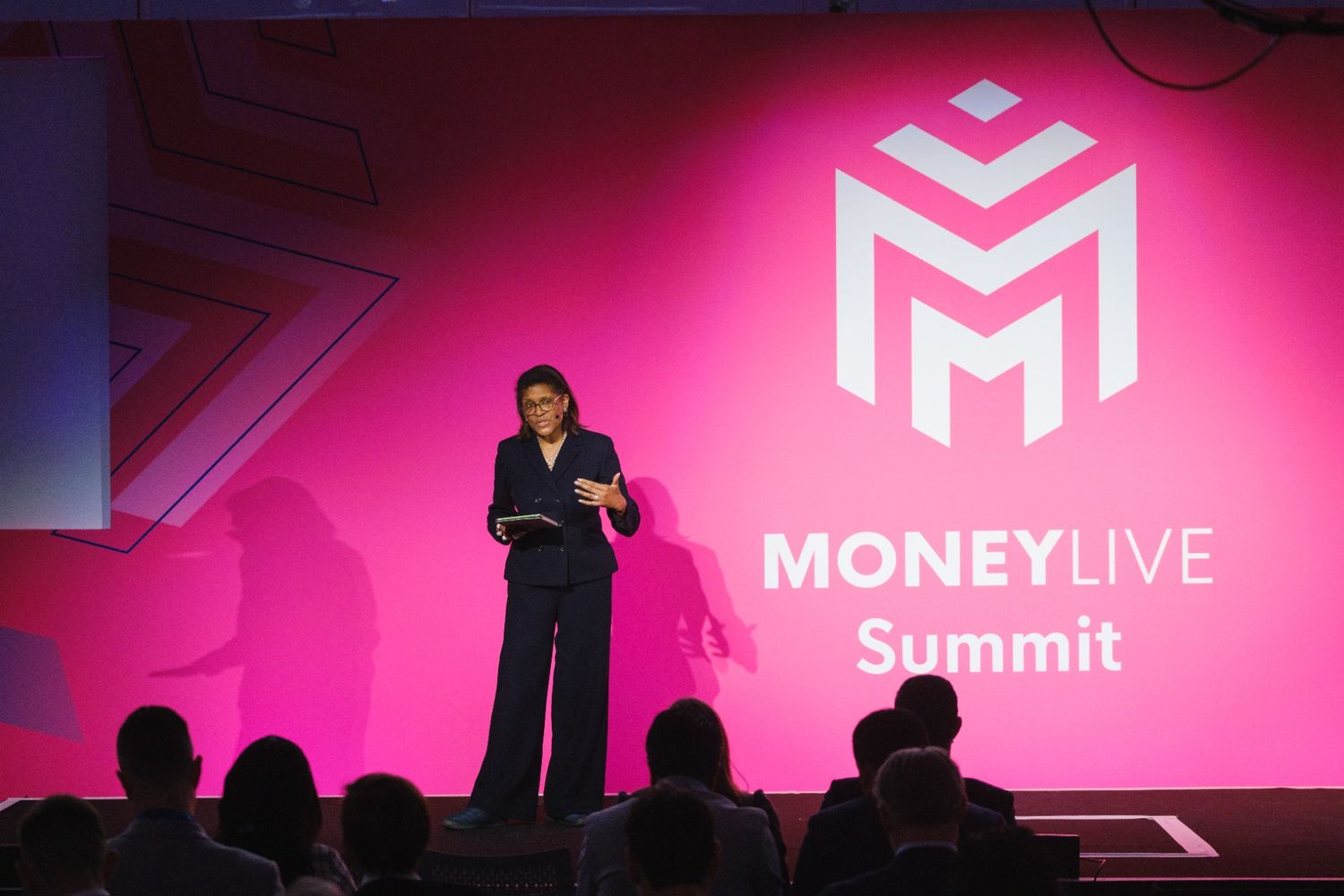
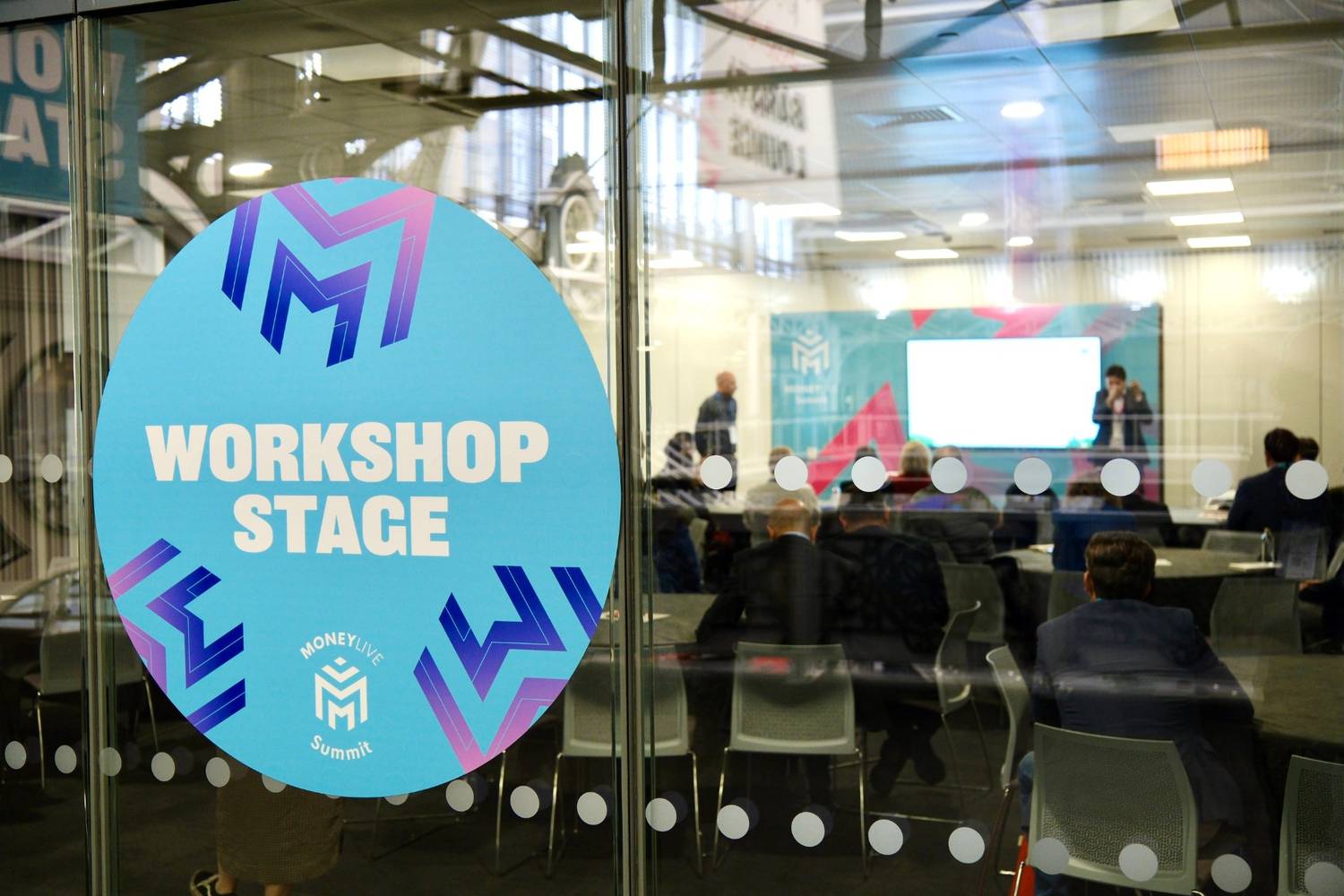
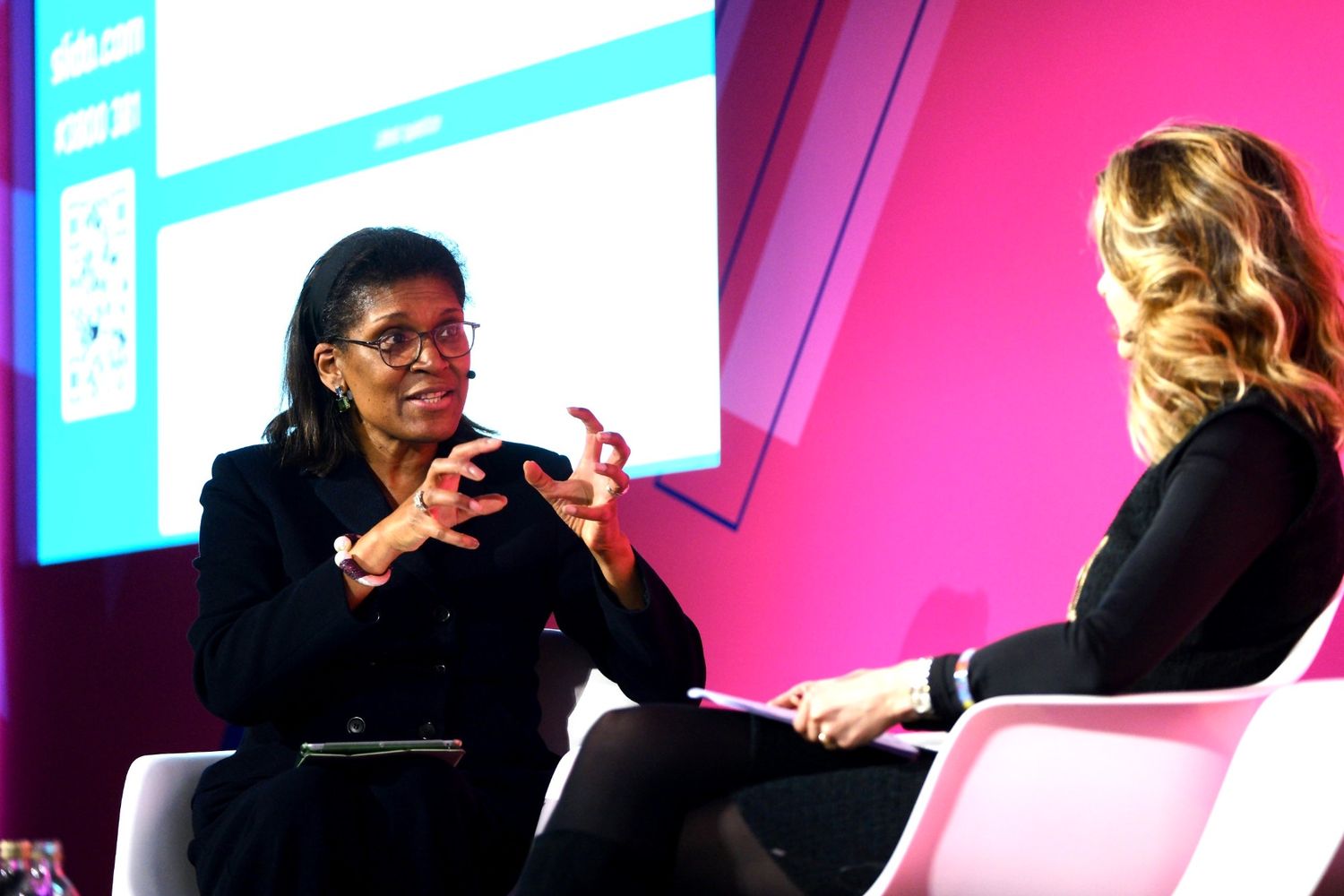
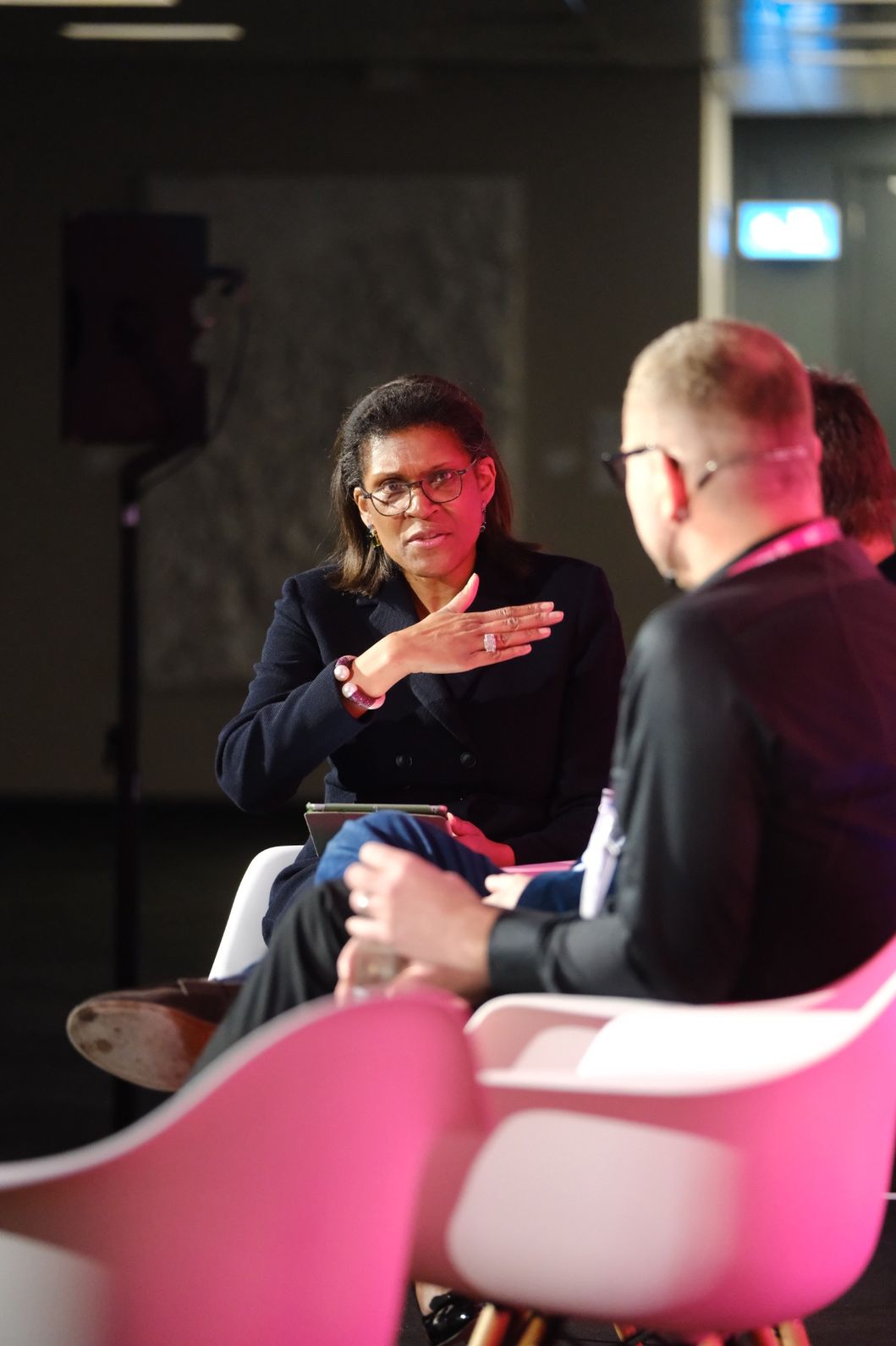
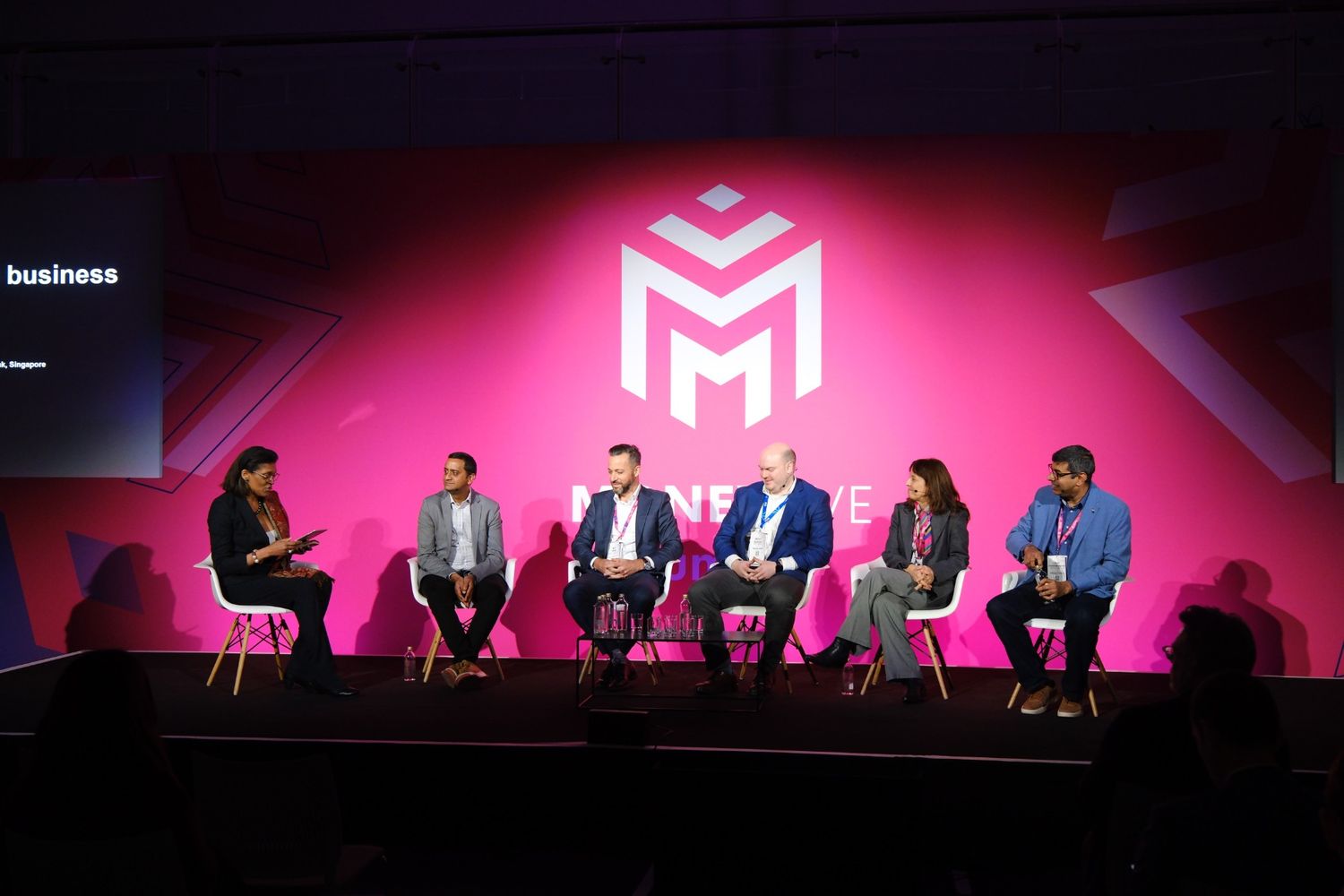
As moderator of the MoneyLIVE Summit London 2025, Juliette Foster guided conversations that brought clarity, energy, and focus to the industry’s most pressing questions. From setting the tone in the opening sessions to steering debates on regulation, customer trust, and digital currencies, her facilitation ensured that complex themes were unpacked with precision and authority. This role not only underscored her expertise in shaping highlevel dialogue but also reinforced her reputation as a trusted connector between leaders, innovators, and audiences - delivering conversations that resonate beyond the summit stage into boardrooms and strategy sessions.
Event Overview
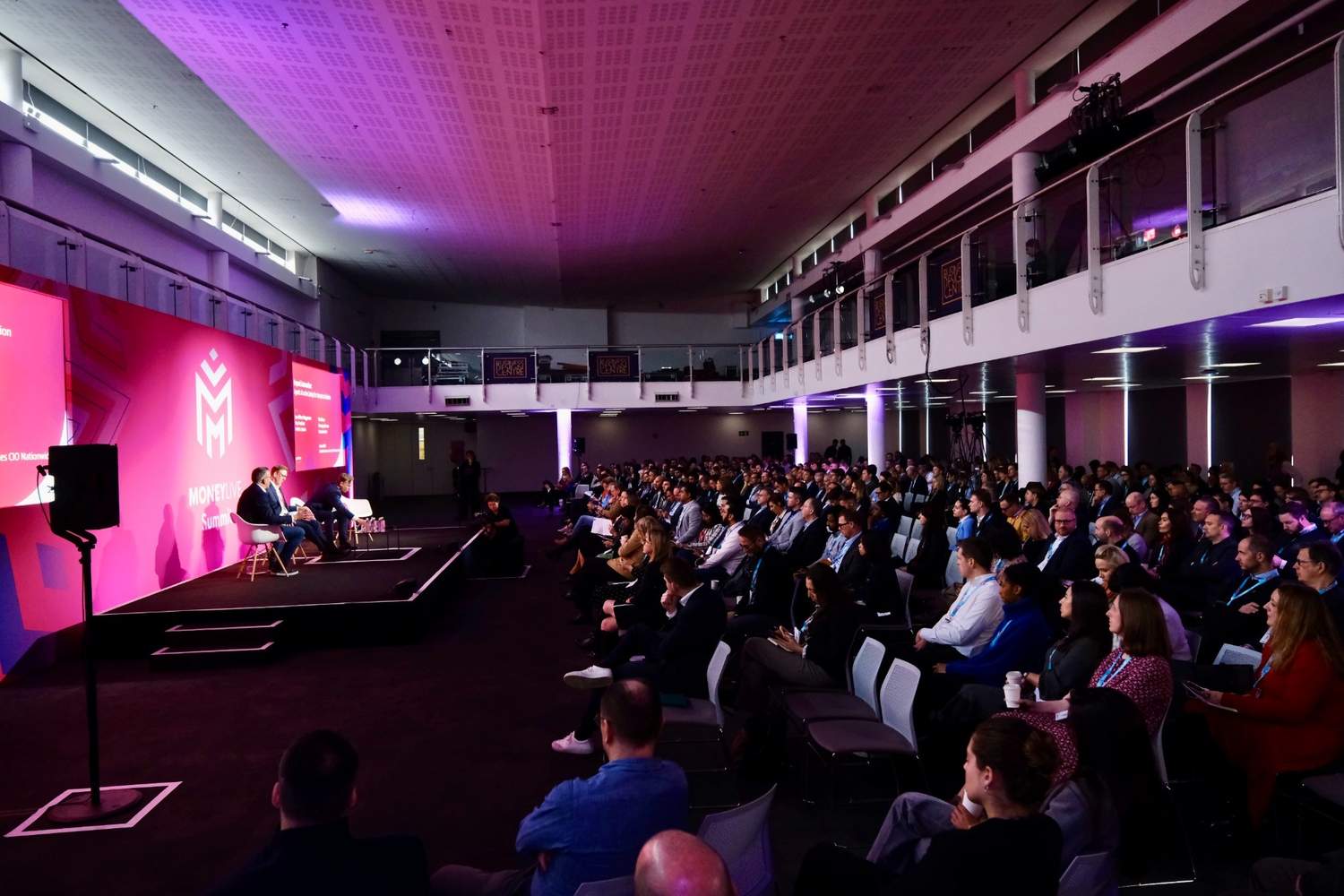
The March London Summit brought together over 1,500 banking and payments professionals, with more than 200 speakers across two days. The event was a showcase of how financial services are evolving in response to shifting customer expectations, regulatory change, and technological disruption.
Why this summit mattered
- Strategic clarity: Leaders debated how banks can balance profitability with responsibility, from sustainability to customer protection.
- Innovation in practice: AI, open banking, and blockchain were not abstract concepts but live case studies shaping real business models.
- Global perspective: Economists, regulators, and executives provided a joinedup view of macroeconomic pressures, policy shifts, and competitive dynamics.
- Future readiness: The summit highlighted how banks must prepare for embedded finance, digital currencies, and APIdriven ecosystems.
Key themes and insights
- Banking strategy and resilience
- Executives from Lloyds, Standard Chartered, NatWest, and J.P. Morgan stressed that collaboration with FinTechs is now central to competitiveness.
- Disinflation and global volatility were flagged as major forces shaping strategy in 2025.
- Sustainability was positioned as a nonnegotiable pillar, with banks expected to balance environmental responsibility with shareholder returns.
- Regulation and competitiveness
- The FCA outlined how regulation must deliver for consumers while enabling competition.
- PSD3 and the Instant Payments Regulation were seen as both a compliance challenge and an opportunity to spur innovation in fraud prevention and open banking.
- Customer experience and trust
- Protecting vulnerable customers was a recurring theme, with ABN AMRO and NatWest emphasizing fair outcomes and transparency.
- AI was presented as a doubleedged sword: capable of personalisation at scale, but requiring careful governance to avoid exclusion.
- Banks were urged to match BigTech benchmarks in seamless digital journeys while retaining human touchpoints for sensitive decisions.
- Lending and credit innovation
- OakNorth showcased how AIdriven credit risk models can level the playing field for SMEs.
- Embedded lending was highlighted as a growth frontier, enabling banks to integrate financing directly into merchant ecosystems.
- The housing journey is being digitised, with Lloyds demonstrating how design thinking can simplify mortgage processes.
- Innovation readiness
- Lloyds and VISA stressed that customercentric innovation and UX convergence will define the next decade.
- Risk management in turbulent times requires banks to adapt to climate, geopolitical, and cyber threats, with DORA setting new resilience standards.
- APIdriven business models are maturing, with HSBC, BBVA, Starling, and Standard Chartered sharing lessons on commercialising APIs.
- Open banking and data economy
- NatWest Boxed and Deutsche Bank highlighted the rise of BankingasaService and open data partnerships.
- FIDA and smart data roadmaps were seen as catalysts for new revenue streams and crossindustry collaboration.
- Personalisation and empathy remain critical, with firms like Personetics and Fullstory showing how data can support customers in uncertain times.
- Blockchain and digital currencies
- The Bank of England’s Digital Pound Lab demonstrated the UK’s cautious but active exploration of CBDCs.
- Smart contracts were discussed as enablers of new business models, though technological and governance hurdles remain.
- Deutsche Bank and Nordea debated the future of commercial vs. central bank digital currencies, stressing the need for collaboration and clear strategy.
Overall impact
The London Summit underscored that the financial services industry is at a pivot point:
- Technology is no longer optional — AI, APIs, and blockchain are reshaping the competitive landscape.
- Trust and responsibility are central — from protecting vulnerable customers to ensuring resilience against systemic risks.
- Global collaboration is essential — regulation, innovation, and digital currencies are interconnected across borders.
Looking ahead
The summit closed with a clear message: banks must be innovationready, customercentric, and resilient if they’re to thrive in the next decade. With PSD3, CBDCs, and embedded finance on the horizon, the institutions that succeed will be those that combine strategic foresight with practical execution.
Closing Reflections
By guiding complex conversations into clear outcomes, Juliette Foster ensures every summit leaves a legacy of insight, credibility, and connection.