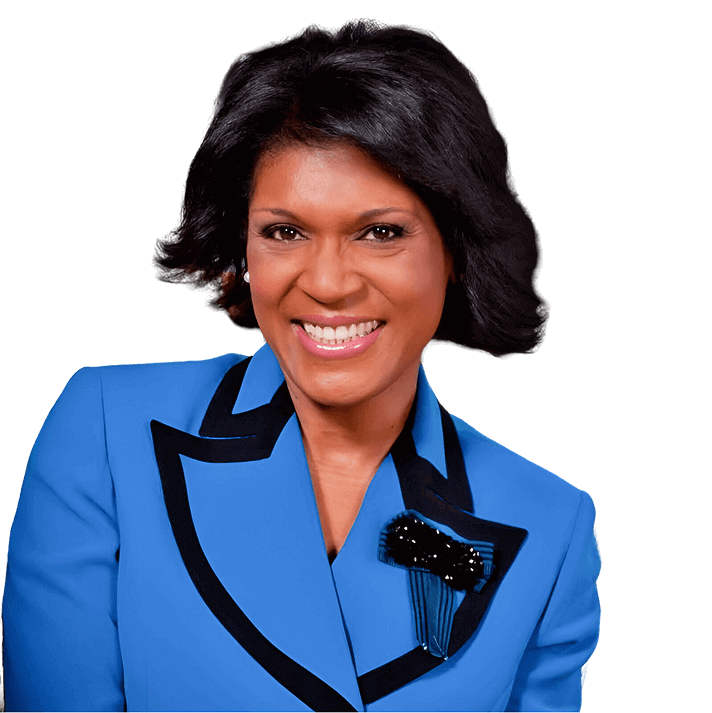
Passionate storyteller delivers quality media services.

The Future of Utilities webinar Building a Fully Flexible Energy System brought together leaders from across the UK and European energy landscape for a focused, hour-long exploration of what it will take to deliver a grid capable of absorbing unprecedented levels of renewable generation. Hosted by Juliette Foster as part of the lead-up to the Energy Transition Summit in Amsterdam, the session examined the commercial, technical, and consumer-facing realities of flexibility at scale.
With speakers from SP Energy Networks, EDF UK, and E.ON EnergiDistribution, the discussion moved beyond buzzwords to interrogate the practicalities of deploying flexibility across households, industry, and the grid itself.
The webinar opened by grounding the audience in the fundamentals: what flexibility actually means in practice. As wind and solar continue to dominate new generation capacity, the grid must adapt to volatility it was never designed to handle. The panel unpacked how flexibility spans:
A live audience poll revealed strong interest across all categories, underscoring the sector’s recognition that no single solution will deliver the transition — it will require a portfolio approach.
Speakers highlighted the urgency of the challenge. With NESO targeting 12 GW of consumer-led flexibility by 2030, the question is no longer whether flexibility is needed, but whether deployment can keep pace with policy ambition.
The second half of the webinar shifted to the mechanics of implementation. Key themes included:
How should flexibility be priced? The panel explored whether markets should reward peak reduction, carbon savings, capacity contribution, or a blend of all three. The consensus: clarity and consistency in market signals will be essential to unlock investment.
Residential flexibility remains one of the biggest untapped resources — but only if households trust the systems controlling their devices. Speakers emphasised the need for:
Without this, participation will remain limited.
Storage emerged as a critical enabler of a flexible system, but challenges persist around financing, grid connections, and long-term revenue certainty. The panel discussed emerging solutions, from hybrid assets to co-optimised markets, that could accelerate deployment.
With attendees joining from Malaysia, India, South Africa, and across Europe, the webinar highlighted the global relevance of flexibility. While market structures differ, the underlying challenges — integrating renewables, modernising grids, and engaging consumers — are universal. Europe’s experience offers valuable lessons in regulation, market design, and cross-border coordination.
Flexibility is the backbone of the energy transition. This session made clear that delivering it at scale requires coordinated action across technology, policy, markets, and consumer engagement. Key takeaways include:
As the sector moves toward the Energy Transition Summit in March, this webinar set the stage for deeper conversations on how to build energy systems that are resilient, responsive, and ready for a renewable led future.


Discover more inspiring events and summits you won’t want to miss.
The European Aluminium Summit 2025 was held on 18 November 2025 at Skyhall, Brussels Airport. Organised by European Aluminium, the event convened over 300 decision-makers from across Europe’s aluminium value chain - producers, recyclers, policymakers,...